Top Landscaping Services in Four Corners, MT, 59718 | Compare & Call
There are 125 landscaping companies server in Four Corners MT
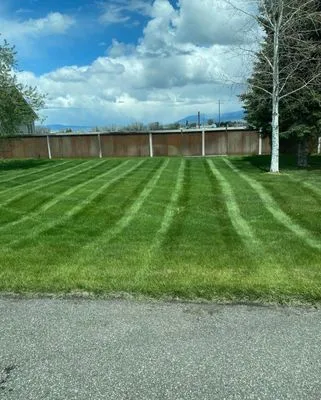
Steve's Precision Lawn Care began as a teenage dream. At 14, I started with my dad's push mower, working hard all summer to save for my first zero-turn. That dedication to reinvesting in the right equ...
Poops & Stripes is a locally owned and operated service in Bozeman, MT, founded in 2021 to serve the Gallatin Valley. Specializing in pet waste removal, landscaping, and snow removal, they provide rel...
Kirschscapes is a trusted Bozeman, MT company dedicated to enhancing and protecting your outdoor spaces year-round. We specialize in irrigation, landscaping, and snow removal services designed to tack...
Western Horizon Services is a Bozeman-based landscaping and snow removal company dedicated to maintaining the beauty and functionality of local properties year-round. We specialize in professional sno...
Plant Care Company is your trusted local expert for gardening, lawn care, and tree services in Bozeman, MT. We understand the unique challenges Bozeman homeowners face, like tree root lawn damage and ...
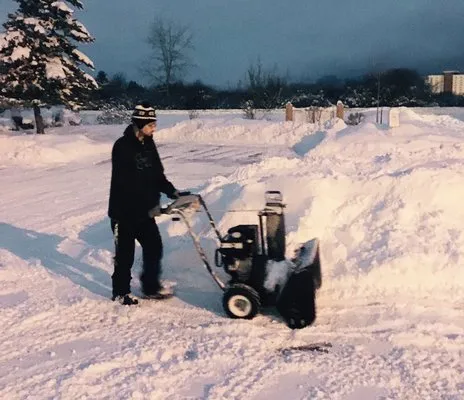
Blue Bird Property Care
Blue Bird Property Care is a locally-owned and operated business in Belgrade, MT, founded by a Montana native who has been serving the community since 2017. We provide comprehensive year-round propert...
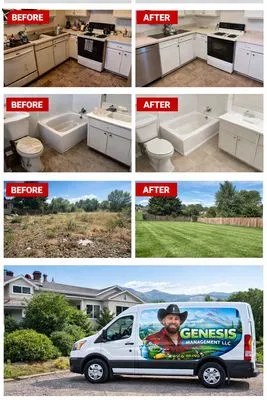
Genesis Management LLC is a locally owned and operated business serving Bozeman and the wider Gallatin Valley. We provide reliable cleaning and property maintenance services to help residents and prop...
NPK Turf Services has been a trusted landscaping partner for Bozeman homeowners since 2002. As a small, locally-owned company, we specialize in creating durable and beautiful outdoor spaces with patio...
Mayville Landscaping is a trusted local landscaping company serving homeowners in Belgrade, MT. We specialize in addressing common local yard problems, particularly standing water issues and damaged l...
Montana Yard Butler is a full-service landscaping and lawn care provider serving residential and commercial clients in Belgrade, MT, and the surrounding Gallatin Valley. Specializing in a comprehensiv...
Estimated Landscaping Service Costs in Four Corners, MT
FAQs
How quickly can you respond to emergency storm damage for HOA compliance?
Emergency cleanup crews dispatch from the Gallatin River Trailhead, taking US-191 to reach Gallatin Heights within 25-35 minutes during peak conditions. This response time accommodates downed branches, snowmelt debris, and other immediate hazards. Crews prioritize safety assessments before clearing access routes and addressing visible violations. Communication with HOA representatives begins within the first hour on-site.
What permits and licenses are required for grading my 0.35-acre property?
Grading projects exceeding 100 cubic yards of earth movement require Gallatin County Planning & Community Development permits. Contractors must hold Montana Department of Labor & Industry licensing for excavation work. Professional engineering stamps may be necessary for slopes exceeding 3:1 ratios or when altering natural drainage patterns. These regulations prevent erosion, protect watershed health, and ensure proper compaction for future landscape installations.
What low-maintenance alternatives reduce gas-powered equipment use?
Replacing high-maintenance turf with Bluebunch Wheatgrass, Rocky Mountain Penstemon, Blanketflower, and Serviceberry creates biodiverse landscapes requiring minimal intervention. These native species thrive in Zone 4b with seasonal pruning rather than weekly mowing. Transitioning to electric maintenance equipment preempts potential gas-blower restrictions under municipal quiet hours. This approach aligns with 2026 biodiversity standards while reducing carbon emissions and noise pollution.
What solutions prevent spring runoff from flooding my foundation?
High spring snowmelt saturation in silty clay loam requires engineered drainage solutions. Permeable Montana moss rock hardscapes allow water infiltration while meeting Gallatin County Planning runoff standards. French drains with clean gravel and landscape fabric redirect subsurface water away from structures. Grading should create a 2% slope extending at least 5 feet from foundations to manage surface flow during peak melt periods.
Why does my Gallatin Heights lawn struggle despite regular watering and fertilizing?
Gallatin Heights properties, built around 2007, have soil approximately 19 years old. Silty clay loam with pH 7.2-7.8 tends to compact over time, reducing oxygen availability to roots. This soil type requires annual core aeration to improve permeability and organic amendments like compost to enhance water retention. Without these interventions, Kentucky Bluegrass and Fine Fescue mixes develop shallow root systems vulnerable to drought stress.
Can I maintain a healthy lawn under Stage 1 water restrictions?
Wi-Fi ET-based weather sensing irrigation systems automatically adjust watering schedules using real-time evapotranspiration data. This technology reduces Kentucky Bluegrass and Fine Fescue water use by 20-30% while maintaining turf health. Programming follows Gallatin County's voluntary conservation guidelines, prioritizing deep, infrequent watering during cooler hours. Regular system audits ensure no leaks or overspray waste municipal water resources.
Why choose moss rock over wood for patios in fire-prone areas?
Permeable Montana moss rock provides superior longevity and fire resistance compared to wood decking. This material maintains structural integrity for decades without rotting or insect damage. In WUI Zone 2 high-risk areas, moss rock creates defensible space by eliminating combustible materials within 30 feet of structures. Its natural thermal mass also moderates temperature extremes, reducing irrigation needs for adjacent plantings.
How do I control invasive species without violating fertilizer regulations?
Early detection of Cheatgrass, Leafy Spurge, and Canada Thistle requires manual removal before seed set. Spot treatments with glyphosate alternatives avoid phosphorus runoff concerns in the Gallatin Watershed. Soil health improvements through mycorrhizae inoculation help native plants outcompete invaders. Treatment timing avoids blackout dates by focusing on early spring and late fall when desirable plants are dormant but invasives remain active.
