Top Landscaping Services in Fort Benton, MT, 59442 | Compare & Call

There are 62 landscaping companies server in Fort Benton MT

Miller's Lawncare is a family-owned business with over 15 years of experience serving Great Falls, MT, and Sun Prairie. We are built on a commitment to quality over quantity, focusing on a limited num...
Dale's Lawn Service began in 1996 when founder Dale saw an opportunity to serve his neighbors after his previous employer closed. Starting as a one-person operation, he built a reputation for dependab...
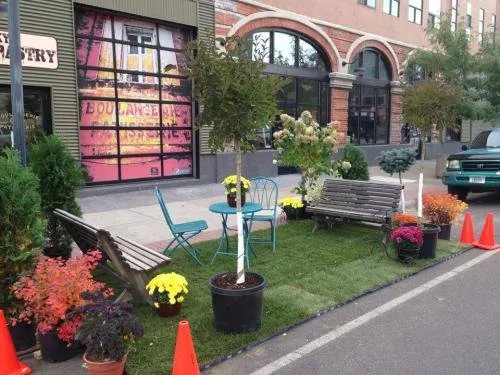
Tilleraas Landscape Nursery has been a trusted part of the Great Falls community since 1986, specializing in hardy northern plants that thrive in our local climate. We offer a comprehensive range of s...
Ron Hall Sprinklers is a family-owned, locally operated business that has been serving the Great Falls community since 1972. Founded by two teachers with shovels, the company has grown from summer wor...
South Canyon Landscape is a locally owned and operated business founded by Nathan, a passionate Great Falls area landscaper. What began as a summer job after high school blossomed over seven years int...
Mr Green Landscape Solutions
Mr Green Landscape Solutions is a full-service landscaping company serving Black Eagle and the surrounding area. We provide comprehensive lawn care, from regular mowing and trimming to fertilization a...

Jonas Sprinklers And Fertilizer
Jonas Sprinklers And Fertilizer is a locally owned and operated landscaping and irrigation specialist serving Great Falls, Montana. With over 14 years of experience, founder Jonas brings a certified, ...
Greenup in Black Eagle, MT is a locally-owned landscaping company with over 21 years of experience serving the Black Eagle, Great Falls, and Helena communities. Specializing in comprehensive outdoor s...
Blue Horizon Landscaping is a full-service landscaping company serving the Great Falls, MT community. We understand the unique challenges homeowners face, from persistent bare patches in lawns to frus...
Terrascapes is a trusted landscaping and snow removal company serving Great Falls, MT. We specialize in professional lawn care, mulch supply, and retaining wall installation, helping residents enhance...
Estimated Landscaping Service Costs in Fort Benton, MT
Question Answers
Is there a lower-maintenance, quieter alternative to a traditional grass lawn?
Yes, transitioning to a climate-adapted xeriscape using native plants like Blue Grama grass, Prairie Coneflower, and Blanketflower significantly reduces water, mowing, and chemical inputs. These deep-rooted natives thrive in our alkaline soil and require no fertilization. This shift also future-proofs your property against evolving noise ordinances that restrict gas-powered blowers, as these plantings generate minimal debris and are maintained with quieter, electric equipment.
What permits and credentials should I verify before hiring for a grading project?
Any significant grading or earthwork on a 0.25-acre lot typically requires a permit from Chouteau County Planning & Zoning to ensure proper drainage and erosion control. Crucially, the contractor must hold appropriate licensing through the Montana Department of Labor & Industry. This license is your assurance they carry the required insurance and have demonstrated competency in state laws, including BMPs for protecting water quality, which is non-negotiable for work in the Missouri River watershed.
Why is my lawn so thin and compacted, even with regular watering?
Homes in the Fort Benton Historic District, averaging 62 years old, have mature soils. The alkaline silt loam (pH 7.8-8.2) common here has likely become compacted over decades, reducing permeability for air, water, and roots. This compaction limits the effectiveness of any fertilizer or irrigation applied to the surface. Annual core aeration and the incorporation of composted organic matter are critical to physically open the soil and gradually correct its structure and nutrient-holding capacity for healthier turf.
How quickly can you respond for an emergency tree cleanup after a storm?
For urgent HOA compliance or safety issues, our electric fleet allows dispatch during standard quiet hours. A typical emergency route from our base near Old Fort Benton proceeds south via US-87, enabling a 20-30 minute response to most locations within the city during peak conditions. This schedule accounts for potential debris on secondary roads and prioritizes immediate hazard mitigation to secure the property.
My yard becomes a soggy mess every spring. What's the best fix?
High spring runoff from snowmelt saturates the native silt loam, which has slow percolation. The most effective long-term solution integrates subsurface French drains with permeable surface materials. Using local sandstone pavers for patios or walkways allows water to infiltrate directly, reducing surface flow. This approach often meets Chouteau County Planning & Zoning standards for on-site stormwater management by mitigating runoff into the municipal system or the Missouri River watershed.
What are the biggest weed threats and how should I deal with them safely?
Invasive species like Leafy Spurge and Canada Thistle are persistent alerts. Treatment requires a targeted, integrated approach—often combining careful manual removal with spot-applied, professional-grade herbicides. Timing is critical to avoid state BMP blackout dates designed to prevent fertilizer and chemical runoff into the Missouri River during peak flow periods. A consistent pre-emergent strategy and promoting dense, healthy desired plants are the best defenses.
How can I keep my Kentucky Bluegrass green under Stage 1 water conservation?
Smart Wi-Fi ET-based irrigation controllers are the definitive solution. They automatically adjust watering schedules based on real-time evapotranspiration data, soil moisture, and local weather forecasts. This system applies water only when and where the turfgrass root zone requires it, eliminating wasteful runoff and overwatering. By precisely matching plant need, you maintain turf health while operating well within voluntary municipal conservation guidelines.
Should I use local sandstone or wood for a new patio?
Local sandstone pavers offer superior longevity and lower lifetime maintenance compared to wood, which requires regular sealing and eventual replacement. In our climate, sandstone is frost-heave resistant and provides a non-combustible surface. This is a relevant consideration for maintaining defensible space as part of the Moderate (WUI Zone 2) Fire Wise rating for the area, where reducing flammable materials adjacent to the home is recommended.
