Top Landscaping Services in Dillon, MT, 59725 | Compare & Call


TerraNova LLC is a family-owned and operated weed control service based in Dillon, MT, founded in 2013 by local natives Johnathon and Talitha Ashcraft. Born and raised in the area, they grew up caring...

Hales Lawn Care is a trusted lawn service provider in Dillon, Montana, dedicated to maintaining and restoring the health and beauty of local lawns. We specialize in comprehensive lawn care solutions t...
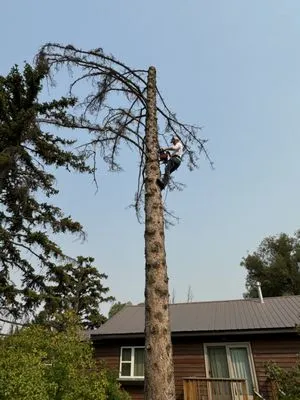
Patterson Lawn & Tree Services is Dillon's trusted partner for comprehensive outdoor care, specializing in lawn services, tree care, and snow removal. Serving the Dillon community, we understand the u...
Q&A
How can I keep my Kentucky Bluegrass lawn healthy under Dillon's voluntary water conservation?
Smart Wi-Fi ET-based irrigation controllers are the standard for efficiency here. These systems use real-time weather data and evapotranspiration rates to apply only the precise water needed, eliminating waste. This technology allows the Kentucky Bluegrass and Fine Fescue blend to thrive while staying well within municipal water conservation guidelines. Properly calibrated, it often reduces usage by 20-30% compared to traditional timer-based systems.
What permits and licenses are needed to regrade and reshape my 0.22-acre lot?
Significant earthmoving and grading on a property of this scale typically requires a permit from the Beaverhead County Planning Department, especially if it alters drainage patterns. The contractor performing the work must hold appropriate licensing through the Montana Department of Labor & Industry. This ensures the technical competency required for proper slope engineering and compliance with all local land disturbance regulations.
What are the most aggressive weeds here, and how do I deal with them safely?
In this region, Leafy Spurge and Canada Thistle are pervasive invasive species that exploit disturbed soil. Management requires a persistent, integrated approach starting with manual removal for small infestations. For larger areas, targeted spot treatments using herbicides labeled for these species are applied according to Montana's statewide Best Management Practices, carefully observing any seasonal application blackout dates to protect local waterways.
Why does my soil seem so compacted and hard to work with here in Downtown Dillon?
Properties in Downtown Dillon, developed around the 1960s, have had over 60 years to settle. The alkaline silt loam native to this area naturally compacts over time, especially under repeated traffic and irrigation. This aging soil profile now has reduced permeability, limiting water infiltration and root penetration. Annual core aeration combined with the incorporation of composted organic matter is essential to rebuild soil structure and mitigate the high pH.
I want to reduce mowing and maintenance. What are my best native plant options?
Transitioning turf areas to a palette of Montana natives like Rocky Mountain Penstemon, Blanketflower, Blue Grama, and Silver Sagebrush drastically reduces water, mowing, and fertilization needs. These deep-rooted plants are adapted to our alkaline soil and climate. This shift also future-proofs your property against potential tightening of noise ordinances related to gas-powered maintenance equipment.
Is crushed granite or wood better for a new patio in terms of fire safety and longevity?
For durability and fire mitigation, crushed granite or local river rock are superior to wood. These inorganic materials do not combust, contributing directly to the defensible space required in Dillon's Moderate (WUI Zone 2) Fire Wise rating. They also resist decay, frost heave, and insect damage, providing a structurally stable and low-maintenance surface for decades compared to timber's limited lifespan.
What's your fastest response for an emergency storm cleanup to meet HOA compliance deadlines?
For urgent storm response in Dillon, our primary dispatch routes from the Beaverhead County Courthouse via I-15 to access Downtown neighborhoods within 15-20 minutes during peak conditions. This allows for immediate debris removal, branch clearing, and site stabilization. We coordinate directly with local HOA boards to ensure all work meets their specific post-event cleanup standards and timelines.
My yard turns into a soggy mess every spring from snowmelt. What's the best solution?
Seasonal saturation is common in Dillon's silt loam soils due to slow percolation. The primary solution is to regrade areas to create positive surface flow away from foundations. Implementing permeable hardscapes like crushed granite or local river rock for patios and walkways increases ground absorption. These approaches also help new projects meet Beaverhead County Planning Department standards for onsite stormwater management.
