Top Landscaping Services in Bozeman, MT, 59715 | Compare & Call
There are 134 landscaping companies server in Bozeman MT
Preferred Lawn Service of Big Sky is a locally owned and operated business in Belgrade, MT, dedicated to maintaining your property year-round. We provide comprehensive lawn care services including mow...
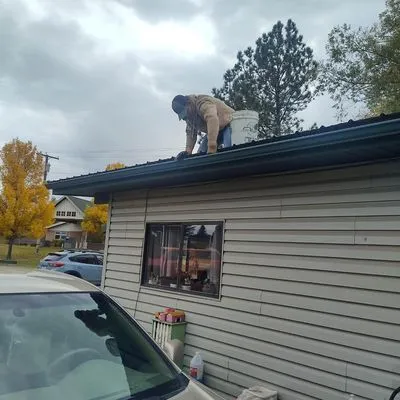
Jones Property Services is a trusted home service provider in Elk Park, MT, specializing in gutter services, lawn care, and pressure washing. We focus on practical solutions for local homeowners, comb...
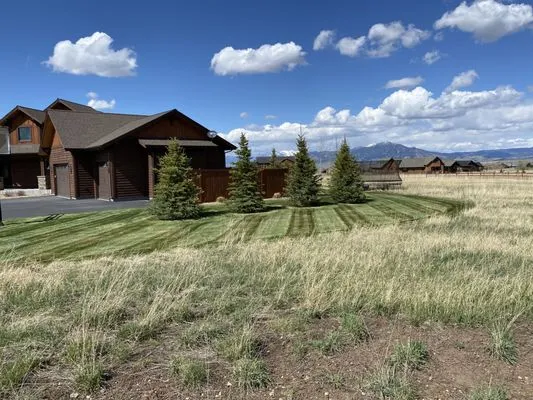
The Backyard Barber is a locally owned and operated lawn care and snow removal company based in Belgrade, Montana. We provide reliable, professional services to residents and businesses in Belgrade, B...
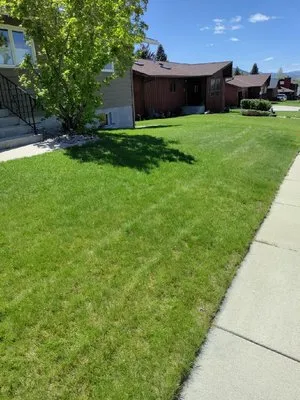
Lawn Pro's Montana is your trusted local lawn and tree service provider in Whitehall, MT. We specialize in comprehensive lawn care solutions tailored to the unique challenges of our Montana climate. A...
Estimated Landscaping Service Costs in Bozeman, MT
Questions and Answers
What permits and licenses are needed for regrading our 0.15-acre lot in the Bozeman Historic District?
The Bozeman Planning and Building Department requires grading permits for any earth movement exceeding 50 cubic yards on 0.15-acre lots. Contractors must hold Montana Department of Labor & Industry landscaping licenses for structural modifications affecting drainage patterns. Special review applies to projects within 100 feet of designated historic resources. Erosion control plans demonstrating compliance with spring runoff management standards must accompany all permit applications. Licensed professionals carry insurance covering subsurface utility protection during excavation.
We need emergency storm cleanup to meet HOA compliance deadlines. What's your typical response time during peak conditions?
Emergency response from our Lindley Park staging area follows I-90 access routes to the Bozeman Historic District. During peak storm events, we maintain 20-30 minute arrival windows using electric equipment fleets that comply with morning noise ordinances. Our dispatch prioritizes routes avoiding spring runoff bottlenecks near drainage corridors. Coordination with the Bozeman Planning and Building Department ensures all debris removal meets current municipal standards.
We want to reduce maintenance while preparing for tighter noise restrictions. What native options replace high-input turf?
Transitioning to Rocky Mountain Penstemon, Blanketflower, and Blue Grama creates biodiverse landscapes requiring minimal maintenance. These natives survive on 30% less water than traditional turf and eliminate weekly mowing demands. Serviceberry and Woods Rose provide structural elements while supporting local pollinators. Electric maintenance equipment operates below decibel limits enforced before 8:00 AM. This approach aligns with 2026 biodiversity standards and reduces carbon emissions from gas-powered equipment.
Spring snowmelt creates persistent saturation in our yard. What solutions work with Bozeman's alkaline silt loam soils?
High spring runoff in alkaline silt loam requires graded swales directing water away from foundations. Permeable Montana moss rock and basalt paver installations increase surface infiltration rates by 60-80% compared to concrete. These materials meet Bozeman Planning and Building Department runoff standards while complementing local geology. Subsurface French drains with clean gravel layers provide additional capacity for snowmelt events. Proper grading maintains 2% slope away from all structures.
How can we maintain healthy turf while respecting Bozeman's Stage 1 water conservation measures?
Wi-Fi ET-based weather sensing controllers adjust irrigation schedules using real-time evapotranspiration data from local weather stations. These systems reduce Kentucky Bluegrass and Fine Fescue water use by 25-40% compared to traditional timers. Programming follows municipal water allocation guidelines while preserving turf health during drought stress periods. Regular system audits ensure uniform distribution and prevent runoff violations. Smart controllers automatically bypass irrigation during precipitation events.
Our Bozeman Historic District yard seems compacted and drains poorly. Could this be related to the age of our property?
Properties built around 1997 have approximately 29 years of soil development. In the Bozeman Historic District, alkaline silt loam soils naturally compact over time due to foot traffic and precipitation patterns. This soil type, with pH 7.5-8.2, often develops poor permeability after decades without intervention. Core aeration combined with organic amendments like composted manure can improve soil structure and water infiltration. Regular soil testing every 2-3 years helps monitor pH drift toward excessive alkalinity.
What invasive species threaten Bozeman gardens, and how do we treat them safely near water sources?
Leafy spurge and spotted knapweed present significant invasion risks in Gallatin County. Manual removal before seed set combined with targeted herbicide applications provides effective control. All treatments near riparian corridors use phosphorus-free formulations as required by local ordinance. Application timing avoids blackout dates protecting aquatic ecosystems. Regular monitoring identifies new infestations before they establish competitive advantages over native Blanketflower and Blue Grama populations.
We're comparing Montana moss rock to wood for patio materials. Which offers better longevity in our climate?
Montana moss rock and basalt pavers provide century-scale durability compared to wood's 15-25 year lifespan. These mineral materials require no chemical treatments and maintain structural integrity through freeze-thaw cycles. In Moderate WUI Zone 2 areas, non-combustible hardscapes create defensible space meeting Fire Wise standards. Proper installation with permeable jointing materials reduces heat island effects while allowing native groundcovers to establish between stones. Moss rock's natural thermal mass moderates surface temperature extremes.
