Top Landscaping Services in Bigfork, MT, 59901 | Compare & Call
There are 68 landscaping companies server in Bigfork MT
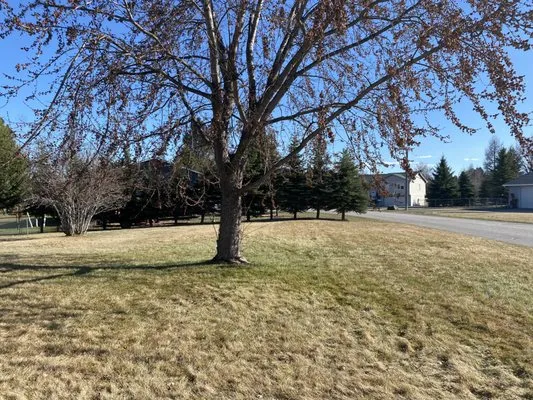
Straight Line Property Care is a dedicated lawn services provider in Kalispell, MT, specializing in comprehensive lawn care solutions for local homeowners. Many properties in the area face common land...
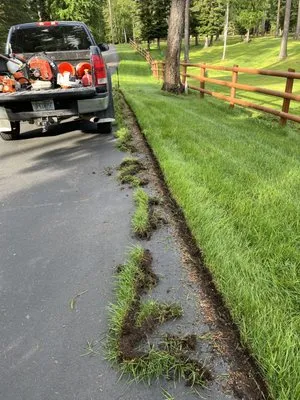
Flathead Cut is your local Kalispell partner for dependable lawn and tree care. We focus on providing straightforward, reliable mowing services to keep your lawn looking its best. Beyond that, our tea...
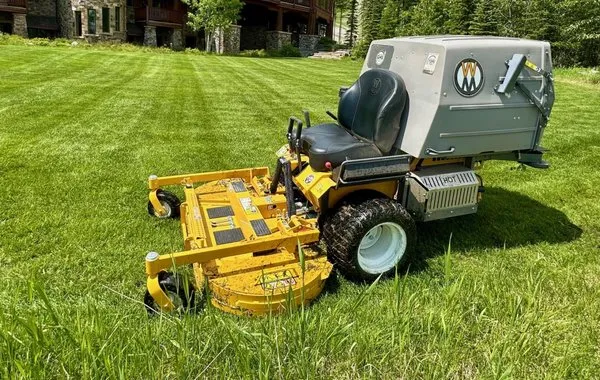
At Butterfield Property Services, we are your local partner for maintaining the beauty and functionality of your Bigfork property. Rooted in Montana values, our dedicated team provides reliable lawn c...
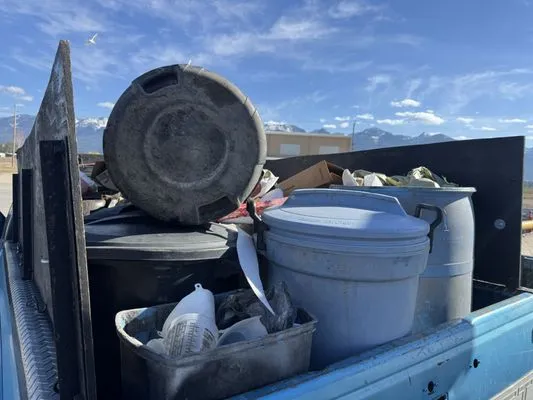
Big Sky Trash Removal is your trusted local partner in Ronan, MT, specializing in junk removal, hauling, lawn services, and snow removal. We understand the unique challenges of maintaining properties ...
Aspen Landscaping & Irrigation
Aspen Landscaping & Irrigation is a trusted, licensed, and bonded landscaping and irrigation company serving Kalispell, Montana, with over 30 years of experience originally established in Washington a...
All Clean Window Plus is your trusted local service provider in Bigfork, MT, offering essential maintenance to keep your property looking its best year-round. We specialize in snow removal, window cle...
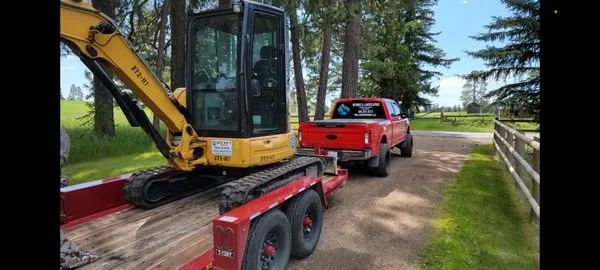
Blue Ridge Landscape is a trusted lawn and landscape provider serving Polson, Montana, with a commitment to quality and professionalism. We specialize in comprehensive lawn care, irrigation solutions,...

3's Handyman Service in Ronan, MT, is your local expert for handyman and landscaping solutions, dedicated to keeping your property in top shape. We understand that Ronan homeowners often face common l...
Estimated Landscaping Service Costs in Bigfork, MT
Frequently Asked Questions
Should I install smart irrigation in Bigfork given there are no water restrictions?
Smart Wi-Fi soil moisture sensor controllers optimize water use despite the absence of formal restrictions. These systems monitor evapotranspiration rates and soil conditions, applying water only when Kentucky Bluegrass and Fine Fescue mixes reach 50% depletion. This approach reduces consumption by 30-50% compared to timer-based systems while maintaining turf health through dry periods. Municipal water conservation guidelines recommend such technology to prevent unnecessary strain on Flathead Valley resources during peak summer demand.
What solutions work for snowmelt runoff in Bigfork's gravelly soils?
High snowmelt runoff exacerbates seasonal subsurface saturation in slightly acidic gravelly loam. Installing French drains with clean gravel and perforated pipe redirects water away from foundations. Permeable pavers using local Montana Moss Rock create infiltration surfaces that meet Flathead County Planning & Zoning Department runoff standards. Grading slopes at 2% minimum ensures proper surface flow while maintaining soil stability. These approaches address both immediate drainage and long-term erosion control.
How quickly can you respond to emergency storm damage in Bigfork?
Emergency cleanup crews dispatch from Wayfarers State Park via MT-35, reaching most Bigfork Village properties within 20-30 minutes during peak response windows. This routing avoids downtown congestion while maintaining access to equipment staging areas. For HOA compliance issues requiring immediate attention, same-day assessment is standard with documentation provided within 24 hours. All response vehicles operate within standard quiet hours of 10 PM to 7 AM.
What invasive species should Bigfork homeowners watch for?
Spotted knapweed and leafy spurge present significant threats in Flathead County, spreading rapidly through disturbed soils. Manual removal before seed set combined with targeted spot treatments using phosphorus-free herbicides complies with Flathead Basin Commission guidelines. Treatment windows avoid spring runoff periods when chemicals could enter waterways. Establishing competitive native plant communities creates biological resistance while improving soil health through mycorrhizal associations.
What permits are needed for landscaping projects on 0.35-acre lots?
Grading work exceeding 50 cubic yards requires Flathead County Planning & Zoning Department approval to prevent erosion and runoff issues. Contractors must hold Montana Department of Labor & Industry licensing for excavation and drainage system installation. Property boundaries on 0.35-acre lots often necessitate professional surveying to avoid encroachment issues. Electrical work for irrigation controllers requires separate permitting, while native plant installations typically fall under exempt categories with proper documentation.
Is Montana Moss Rock better than wood for patio construction?
Local Montana Moss Rock offers superior longevity with minimal maintenance compared to wood structures. This natural stone withstands freeze-thaw cycles without deterioration and provides non-combustible surfaces critical for WUI Zone 2 fire-wise compliance. Permeable installation methods maintain soil drainage while creating defensible space around structures. Properly engineered rock walls and patios typically last 50+ years with occasional joint maintenance, outperforming wood's 10-15 year lifespan in Montana's climate.
Why does my Bigfork Village lawn have drainage issues despite regular watering?
Homes built around 1995 have soil approximately 31 years old, which in this region means slightly acidic gravelly loam has likely become compacted from construction and seasonal freeze-thaw cycles. This soil type naturally has moderate permeability but loses pore space over time, reducing water infiltration. Core aeration every 2-3 years introduces oxygen and creates channels for moisture penetration. Adding 0.25 inches of compost annually builds organic matter to improve soil structure and support microbial activity.
Can I reduce mowing frequency while maintaining property value?
Replacing high-maintenance turf with native plantings creates resilient landscapes that require less frequent care. Western Larch, Quaking Aspen, and Serviceberry provide structure while Blanketflower and Lupine offer seasonal color with minimal irrigation. This transition reduces mowing needs by 60-80% and eliminates gas-powered blower use during restricted hours. Native plant communities support local pollinators and align with 2026 biodiversity standards for residential properties in WUI Zone 2 areas.
