Top Landscaping Services in Big Sky, MT, 59716 | Compare & Call


Elevation Landscaping & Design
Elevation Landscaping & Design was founded in 2009 by Lee Griffiths, who brought his expertise from high-profile projects like the US Botanic Gardens renovation in Washington, D.C., to the mountains o...
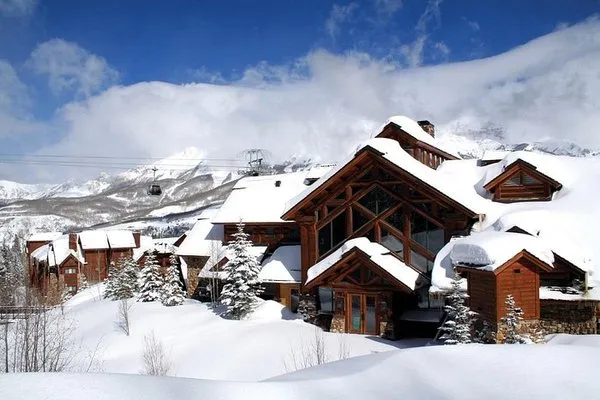
Montana Cabin Caretakers is a locally owned and operated property caretaking service based in Big Sky, MT. We specialize in providing attentive, personal management for luxury homes in the Yellowstone...

Big Sky Landcaping
Big Sky Landscaping is your trusted local partner for creating and maintaining beautiful, resilient outdoor spaces in Big Sky, MT. We specialize in full-service landscaping, expert irrigation, and gar...
Precision Lawn Care is a dedicated lawn service provider in Big Sky, MT, specializing in comprehensive lawn care solutions tailored to the unique challenges of our high-altitude climate. We help homeo...
Frequently Asked Questions
Should I replace high-maintenance turf with native plants?
Transitioning to Rocky Mountain penstemon, blanketflower, common chokecherry, and blue grama grass reduces water needs by 60-80% compared to traditional turf. These natives have evolved for USDA Zone 4b conditions, requiring minimal fertilization and no regular mowing. This approach aligns with emerging noise ordinance trends restricting gas-powered equipment, while supporting pollinator corridors and soil carbon sequestration. Properly designed native landscapes also enhance property resilience against temperature extremes and precipitation variability.
Can I maintain Kentucky Bluegrass during Stage 1 water restrictions?
Smart Wi-Fi ET-based controllers with freeze sensors optimize irrigation by using local evapotranspiration data to match plant water needs precisely. These systems automatically adjust schedules based on weather forecasts, soil moisture sensors, and temperature thresholds. For Kentucky Bluegrass or fine fescue blends, programming deeper, less frequent watering cycles encourages deeper root growth and drought tolerance. This approach typically reduces water use 20-30% while maintaining turf health within voluntary conservation guidelines.
What prevents spring snowmelt from flooding my property?
Spring snowmelt saturation in slightly acidic rocky loam requires strategic drainage solutions. Installing permeable pavers with aggregate bases creates infiltration zones that reduce surface runoff. French drains lined with geotextile fabric and graded swales can redirect water away from foundations. Big Sky County Planning & Development requires stormwater management plans for significant hardscape projects, favoring systems that mimic natural hydrology through infiltration rather than rapid discharge.
Why does my Mountain Village lawn struggle despite regular care?
Properties in Mountain Village built around 1993 have 33-year-old soil profiles. The slightly acidic rocky loam (pH 6.2-6.8) common here has likely become compacted over decades, reducing permeability and root penetration. This soil type benefits from annual core aeration to improve oxygen exchange and water infiltration. Adding organic amendments like composted bark or leaf mold can gradually improve soil structure and microbial activity, supporting healthier turf establishment.
How do I control invasive weeds without harming my landscape?
Early detection of invasive species like leafy spurge or cheatgrass is crucial in Big Sky's ecosystem. Manual removal before seed set, followed by targeted spot treatments with EPA-registered herbicides during active growth phases, minimizes chemical use. Montana's watershed protection guidelines restrict nitrogen applications near water features and during certain seasonal windows. Integrating competitive native plants creates ecological resistance while improving soil health through mycorrhizal associations that suppress weed establishment.
Is Montana moss rock better than wood for fire-resistant landscaping?
Local Montana moss rock provides superior fire resistance compared to wood, with non-combustible properties that meet Extreme Fire Wise Zone 1 requirements. This material maintains structural integrity under high heat while creating defensible space through strategic placement. Permeable paver systems using moss rock allow proper water infiltration without creating fuel ladders. For properties in high-risk WUI zones, mineral-based hardscapes reduce ignition potential and require less maintenance than organic materials vulnerable to decomposition and pest damage.
What permits and licenses are needed for grading my half-acre lot?
Grading work on 0.50-acre properties in Big Sky requires erosion control permits from the County Planning & Development office, along with potential wetland delineation if near water features. Contractors must hold current licensing through the Montana Department of Labor & Industry, demonstrating competency in soil mechanics and stormwater management. Significant earth moving may trigger additional reviews for slope stability and drainage pattern alterations. Professional landscape architects or engineers should oversee projects exceeding 100 cubic yards of soil displacement to ensure compliance with local ordinances and watershed protection standards.
How quickly can you respond to emergency storm damage for HOA compliance?
Emergency cleanup dispatch from the Big Sky Resort Base Area typically follows US Highway 191, with peak storm response times of 45-60 minutes depending on road conditions. Our crews maintain chainsaw certification and debris management protocols to address fallen branches, compromised trees, and drainage blockages. We prioritize safety assessments before beginning restoration work, ensuring all operations meet Mountain Village community standards for rapid hazard mitigation.
