Top Landscaping Services in Ripley, MS, 38663 | Compare & Call


Boots Helping Hand and Services is a family-run business in Ripley, MS, founded by a single mom who values kindness and practical help. Starting with assisting family and friends, it has grown into a ...
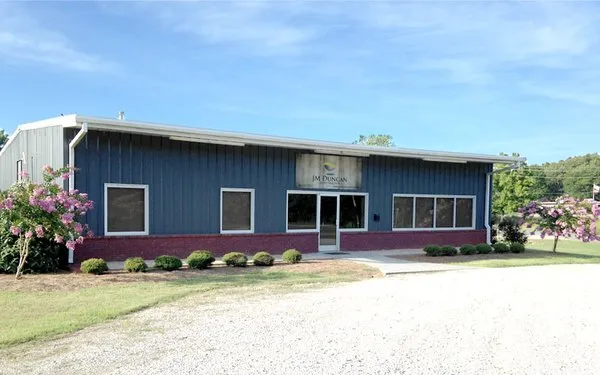
Founded in 2005 by a Mississippi State University graduate with hands-on experience from a premier Memphis-area firm, JM Duncan has grown from a landscaping specialist into a comprehensive civil const...
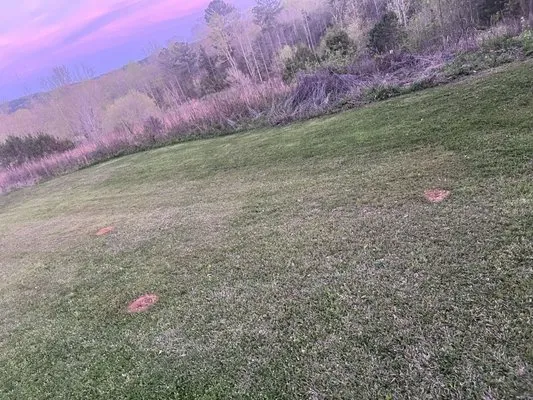
Lawn Patrol is your dedicated local lawn care provider in Ripley, MS, specializing in comprehensive lawn maintenance. We understand the common challenges Ripley homeowners face, such as unsightly lawn...

Massengill and Bryant Lawn Pros is a trusted local lawn service provider in Ripley, MS, specializing in comprehensive lawn care to keep your property healthy and vibrant. We understand the common loca...

Bryant Landscaping is your trusted, local partner for a healthy, beautiful property in Ripley, MS. We understand the specific challenges homeowners here face, from shrubs that mysteriously decline to ...
Q&A
What permits and licensing are required for grading my 0.25-acre lot?
Grading work exceeding 50 cubic yards on a 0.25-acre lot requires a permit from the Ripley Building & Planning Department to ensure proper drainage and erosion control. Contractors must hold appropriate licensing through the Mississippi State Board of Contractors, as improper grading can cause off-site water damage. Licensed professionals carry insurance covering soil displacement and subsoil compaction issues common in clay-heavy areas. Unpermitted grading risks fines and may void property insurance during flood events.
How do I control invasive species without violating fertilizer blackout dates?
Common invasive alerts in Ripley include Chinese Privet and Japanese Honeysuckle, which outcompete native vegetation. Manual removal followed by targeted glyphosate application during active growth periods avoids state BMP guideline blackout dates. Soil testing confirms whether acidic conditions favor invasives, allowing pH adjustment with lime instead of synthetic fertilizers. Establishing dense native plantings creates ecological resistance to reinfestation while maintaining soil health.
Why does my Downtown Ripley yard have such poor drainage and compacted soil?
Properties in Downtown Ripley built around 1980 have acidic silty loam soil that has matured for approximately 46 years. This soil type naturally compacts over decades, reducing permeability and creating drainage issues. Core aeration with organic amendments like composted pine bark is essential to improve soil structure and address the pH range of 5.5-6.2. Without intervention, this compaction limits root development and increases runoff during heavy rains.
Are concrete pavers better than wood for durability and fire safety?
Concrete pavers offer superior longevity to wood in Ripley's humid climate, resisting rot and insect damage with minimal maintenance. Their non-combustible nature supports Moderate Firewise USA ratings by creating defensible space around structures. Interlocking paver systems accommodate ground movement without cracking, unlike poured concrete. When properly installed with polymeric sand, they prevent weed growth while allowing some water permeability to reduce runoff.
What solutions exist for moderate runoff problems in clay-heavy subsoil?
Clay-heavy subsoil beneath acidic silty loam creates impermeable layers that cause moderate runoff. Installing French drains with gravel reservoirs redirects subsurface water away from foundations. Permeable concrete pavers in patios and walkways meet Ripley Building & Planning Department runoff standards by allowing infiltration. Grading adjustments with 2% slope and rain gardens with Swamp Milkweed further manage stormwater without overwhelming municipal systems.
How quickly can you respond to emergency storm damage for HOA compliance?
Emergency cleanup crews dispatch from the Tippah County Courthouse area via MS-15, arriving within 20-30 minutes during peak response times. This routing prioritizes accessibility to Downtown Ripley neighborhoods while accounting for traffic patterns. The team carries electric chainsaws and compact loaders to address fallen limbs and debris without violating standard noise limits. Documentation for HOA compliance is provided upon completion.
Can I reduce maintenance while preparing for potential gas-blower restrictions?
Replacing high-maintenance turf with native plantings like Eastern Redbud, Purple Coneflower, and Switchgrass creates low-input landscapes that require minimal blowing. These species thrive in USDA Zone 8a with acidic soil, needing only seasonal pruning rather than weekly mowing. Transitioning to electric maintenance equipment now positions properties ahead of potential noise ordinance changes. Native plant communities support local pollinators while reducing water and fertilizer demands by 60-70%.
How do I maintain Tall Fescue during voluntary water conservation periods?
Wi-Fi ET-based weather sensing irrigation systems calculate evapotranspiration rates specific to Ripley's climate, applying water only when needed. This technology reduces water use by 30-50% compared to traditional timers while preserving turf health. The system automatically adjusts for rainfall and humidity, staying within municipal voluntary conservation guidelines. Properly programmed ET irrigation prevents overwatering that leads to fungal issues in acidic silty loam soils.
