Top Landscaping Services in Lynchburg, MS, 38680 | Compare & Call

There are 40 landscaping companies server in Lynchburg MS
I'm Joshua Jones, founder of Top Notch Lawn Services, and lawn care is my lifelong passion. Growing up in Horn Lake, I started mowing yards at just eight years old, and that early love for the work ne...
For over 20 years, I've honed my skills in the commercial construction industry, working on major Memphis-area projects from St. Jude to Youth Villages. After a career spent navigating complex regulat...
D's Lawn & Landscapes is a family-owned, licensed, and insured landscaping business serving Olive Branch and the Mid-South since 2006. Founded and operated by caring professionals, our team, led by Op...
Tency J & W Lawn Services is a locally owned and operated lawn care business in Southaven, MS, founded by Joseph Williams in memory of his father, Joe Williams. Specializing in residential lawn mainte...
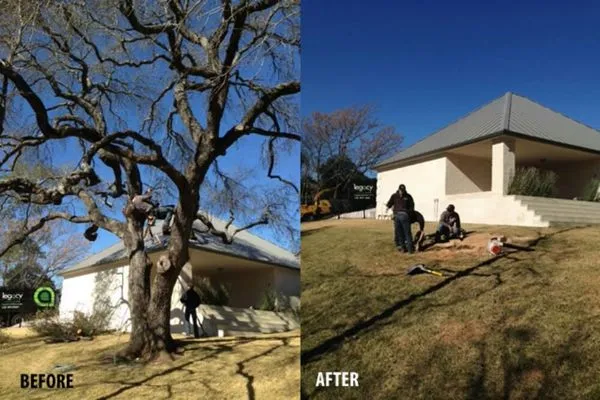
Jons Lawns & Landscape is a family-owned and operated business proudly serving Olive Branch and the surrounding DeSoto and Shelby counties for over five years. With a combined experience of more than ...
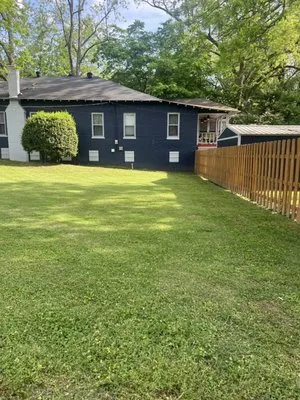
Hawkins Lawn Service is a trusted local lawn care provider in Holly Springs, MS, specializing in comprehensive lawn maintenance and repair. Many Holly Springs homes face common landscaping challenges ...
Lawn Jox is a veteran-owned landscaping company proudly serving Olive Branch and the Greater Midsouth since 2008. Founded by Melvin Gunter, a graduate with a background in civil engineering from his s...

CNT Landscape & Design is a locally owned and operated business serving Olive Branch, MS, with a focus on landscaping, gutter services, and auto detailing. As a smaller company, we prioritize customer...
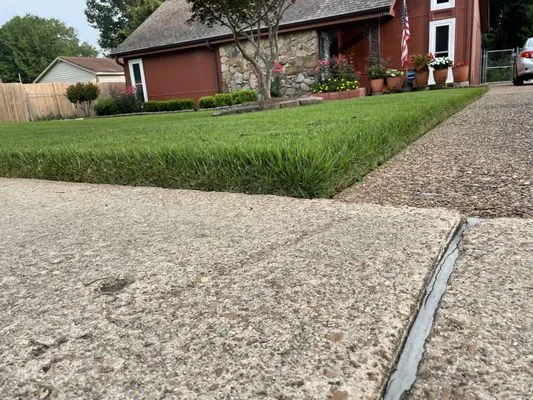
Camp Lawn Care, Landscaping, & Tree Services is a family-owned Hernando business, locally owned and operated by Justin Camp. With over three decades of hands-on experience, the company has built a rep...
S&S Nicks Professions is a trusted, locally-owned service provider in Olive Branch, MS, specializing in carpet cleaning, rug cleaning, upholstery cleaning, and comprehensive lawn care. We understand t...
Estimated Landscaping Service Costs in Lynchburg, MS
Questions and Answers
How do I control invasive species without harming my garden?
Common invasive alerts in Zone 8a include Japanese honeysuckle and Chinese privet. Manual removal followed by targeted herbicide application during dormant seasons prevents regrowth. Mississippi's fertilizer ordinance prohibits phosphorus-based products near storm drains, so select nitrogen-only formulations. Treat invasives before Lynchburg's early March mulching peak to prevent spread through contaminated mulch materials.
How do I keep my Tall Fescue and Centipedegrass healthy during water restrictions?
Lynchburg's Stage 1 water restrictions allow normal operations but require efficient water use. Wi-Fi ET-based weather sensing irrigation calculates evapotranspiration rates to deliver precise water amounts. This system adjusts for rainfall and humidity, preventing overwatering that wastes municipal resources. Properly programmed ET irrigation maintains turf health while staying within legal water limits, even during dry periods.
Should I replace some lawn with native plants to reduce maintenance?
Replacing high-maintenance turf with Purple Coneflower, Black-eyed Susan, Switchgrass, and Eastern Redbud reduces water needs by 60-80%. Native plantings require less frequent care, aligning with Lynchburg's transition to electric equipment under noise ordinances. These species support 2026 biodiversity standards while creating habitat for pollinators. Reduced mowing frequency decreases fuel consumption and extends equipment lifespan.
What permits and licenses are needed for grading my 0.35-acre lot?
Grading work on 0.35-acre lots requires permits from DeSoto County Planning & Building Department to ensure proper drainage and erosion control. The Mississippi State Board of Contractors mandates licensing for contractors performing earthmoving exceeding 100 cubic yards. Unlicensed grading can violate municipal codes and create liability issues. Always verify contractor credentials through the state licensing portal before beginning landscape modifications.
How quickly can you respond to an emergency tree cleanup after a storm?
Emergency storm response from Lynchburg Town Square takes 25-35 minutes via US Highway 51 during peak conditions. Our electric maintenance fleet operates within decibel-restricted hours (7:00 AM-9:00 PM) to comply with local noise ordinances. For HOA compliance issues requiring immediate attention, we prioritize routes through Old Town to minimize disruption. This timing ensures rapid debris removal while maintaining neighborhood quiet hours.
Why does my Lynchburg yard have drainage issues and compacted soil?
Lynchburg's Old Town neighborhood has acidic silt loam soil with pH 5.8-6.2, typical of properties built around 1997. With 29 years of soil maturity since construction, this soil has likely become compacted from foot traffic and equipment, reducing permeability. Seasonal ponding occurs because compacted clay layers beneath the silt loam restrict water percolation. Core aeration and adding organic amendments like composted pine bark will improve soil structure and drainage.
Are concrete pavers better than wood for Lynchburg's climate?
Concrete pavers and crushed limestone outperform wood in Lynchburg's humid Zone 8a climate. These materials resist moisture damage and insect infestation that decay wooden structures. Their non-combustible nature supports Moderate Firewise USA Tier 2 ratings by creating defensible space around properties. Properly installed hardscapes last 25+ years with minimal maintenance compared to wood's 10-15 year lifespan.
What solutions work for seasonal ponding in my yard?
Compacted clay beneath acidic silt loam causes seasonal ponding in Lynchburg yards. Installing permeable concrete pavers or crushed limestone hardscapes increases surface permeability. These materials meet DeSoto County Planning & Building Department runoff standards by allowing water infiltration. For severe cases, French drains or dry creek beds redirect water away from structures while improving soil percolation rates.
