Top Landscaping Services in Flora, MS, 39071 | Compare & Call
There are 85 landscaping companies server in Flora MS
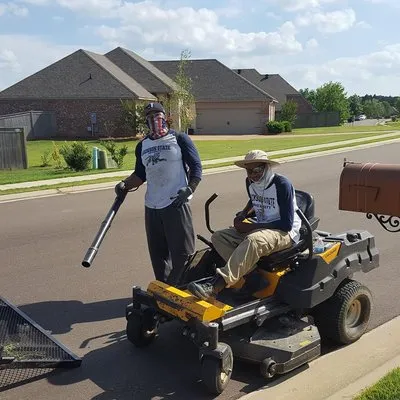
Manogin and Younger Lawn Service is a Jackson-based company dedicated to enhancing our customers' quality of life through reliable lawn care and gardening. We focus on creating a better experience for...
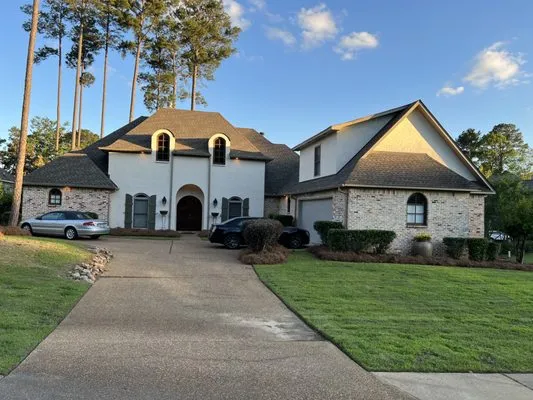
L Smith Lawn Service is a locally owned and operated family business dedicated to providing professional lawn and tree care for homes and businesses throughout Madison, Hinds, and Rankin Counties. We ...
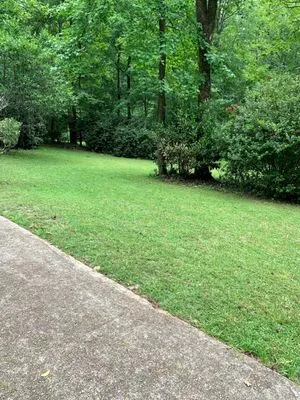
God's Gifted Professional Lawn Care is a dedicated lawn service provider in Jackson, MS, specializing in comprehensive lawn care solutions tailored to the local climate and soil conditions. Many Jacks...
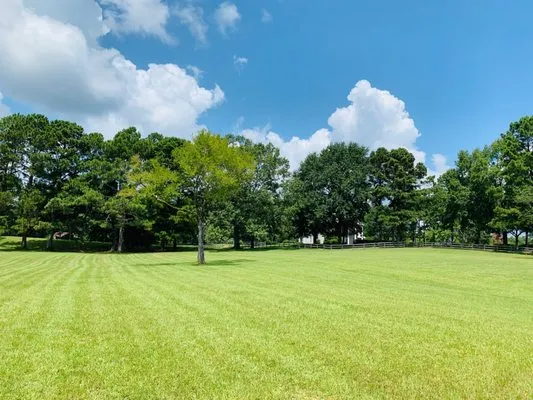
With 7 years of experience in the Jackson, MS lawn service and landscaping industry, I founded Mow & Blow in 2019 to bring commercial-grade lawn care to Ridgeland residents at affordable prices. Throu...
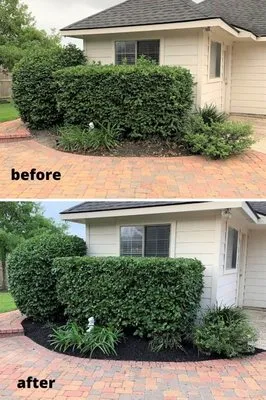
Will Way Lawn Care in Jackson, MS, is a locally owned and operated lawn service business founded in 2018 by a passionate professional who has been dedicated to landscaping since his teenage years. The...

Patch Of Heaven Landscaping & Facility Maintenace
Founded in 2013, Patch Of Heaven Landscaping & Facility Maintenance is a family-owned and operated business serving Raymond and the surrounding communities. From the start, our mission has been simple...
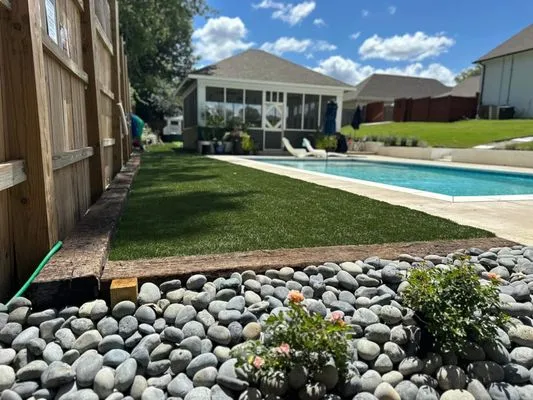
Turf Masters is your dedicated partner in Bolton for creating and maintaining beautiful, functional outdoor spaces. We specialize in high-quality artificial turf installation, cleaning, and repair, al...
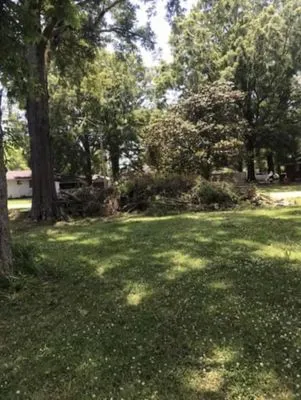
Central MS Tree Service and Lawn Care is your trusted local partner in Magee, MS, for comprehensive lawn and tree care. We specialize in professional lawn maintenance, tree care services, and tree cab...

Campbell's Landscaping And HVAC is a trusted, full-service company serving Jackson, MS, and surrounding areas. We uniquely combine expert landscaping with professional HVAC services, providing compreh...
Live Lawn & Prosper is a family-owned lawn service founded in Crystal Springs by Nick and his wife. Known as 'The Sodfather,' Nick leads his 'Sodsquad' with a deep, personal commitment to the local en...
Estimated Landscaping Service Costs in Flora, MS
Common Questions
What permits and licenses are needed for grading work on my Flora property?
The Flora Building and Zoning Department requires grading permits for any earth movement exceeding 50 cubic yards on 0.35-acre lots. Contractors must hold Mississippi State Board of Contractors licensing for excavation work, with additional certification for stormwater management. Unlicensed grading risks fines up to $5,000 and voided insurance coverage. Professional licensing ensures compliance with state BMP guidelines for slope stabilization and erosion control during seasonal saturation periods.
How do I control invasive species without violating fertilizer regulations?
Cogongrass and Chinese privet pose the highest invasive risks in Zone 8b, requiring targeted herbicide applications during active growth periods. Mississippi BMP guidelines prohibit treatment before forecasted heavy rain to prevent runoff contamination. Manual removal followed by native Black-eyed Susan or Switchgrass planting creates competitive barriers. Always schedule applications outside ordinance blackout dates, using soil temperature data rather than calendar dates for optimal timing.
What solutions exist for standing water problems in Flora's clay-heavy yards?
Seasonal saturation in acidic loam with high clay content requires graded swales directing water away from structures. Permeable crushed limestone bases under concrete pavers increase infiltration rates, meeting Flora Building and Zoning Department runoff standards. French drains with clean gravel and filter fabric provide subsurface relief, while rain gardens planted with native Switchgrass absorb excess moisture. These layered approaches address permeability issues without requiring extensive regrading permits.
Are crushed limestone and concrete pavers better than wood for Flora patios?
Crushed limestone bases with concrete paver surfaces offer 30+ year longevity versus wood's 10-15 year lifespan in humid Zone 8b conditions. This non-combustible material supports Moderate Firewise USA Community Standards by creating defensible space around structures. Properly installed permeable systems manage runoff better than solid wood decks, reducing erosion on 0.35-acre lots. The mineral composition resists weathering from acidic loam soils where wood requires constant treatment.
How quickly can you respond to emergency storm damage for HOA compliance in Flora?
Emergency cleanup crews dispatch from the Flora Depot Museum area, taking US Highway 49 to reach Flora Historic District properties within 20-30 minutes during peak response windows. This routing avoids residential bottlenecks while maintaining compliance with standard noise ordinance quiet hours from 10 PM to 7 AM. Crews prioritize safety assessments before debris removal, coordinating with property managers for immediate HOA violation mitigation.
How do smart irrigation systems work during Stage 1 water restrictions in Flora?
Wi-Fi ET-based weather sensing controllers calculate evapotranspiration rates using local weather data, adjusting runtime to match actual plant needs. This technology maintains Centipede or Zoysia turf health while reducing water use 20-40% compared to traditional timers. During Stage 1 normal operations, systems automatically comply with municipal limits by skipping cycles after rainfall. Proper programming prevents overwatering that exacerbates seasonal saturation in acidic loam soils.
Why does my Flora Historic District lawn have such poor drainage and compacted soil?
Properties in the Flora Historic District average 53 years of soil development since typical 1973 construction. Decades of foot traffic and equipment use have compressed the naturally acidic loam, reducing permeability below optimal levels. This soil type requires annual core aeration and organic amendments like compost to restore structure. Without intervention, seasonal saturation from high clay content will persist, limiting root growth for Centipede or Zoysia turf.
Should I replace parts of my lawn with native plants to reduce maintenance?
Transitioning high-maintenance turf areas to Southern Magnolia, Purple Coneflower, and Beautyberry stands reduces mowing frequency while supporting 2026 biodiversity standards. Native plantings require less irrigation and eliminate gas-powered blower use, aligning with evolving noise ordinance restrictions. This xeriscaping approach creates habitat corridors while cutting seasonal maintenance hours by 60%. Established native root systems also improve soil structure in acidic loam over time.
