Top Landscaping Services in Corinth, MS, 38834 | Compare & Call
There are 37 landscaping companies server in Corinth MS
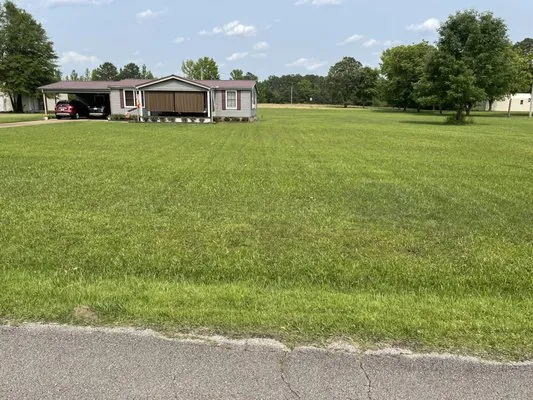
Grass Whisperers is a Corinth-based, full-service outdoor solutions provider, dedicated to transforming local yards and properties. We offer comprehensive care, from routine mowing and precise weedeat...

Showtime Land Development LLC is a family-owned and operated business deeply committed to helping Corinth residents achieve the property they envision. We understand the time, energy, and pride you in...
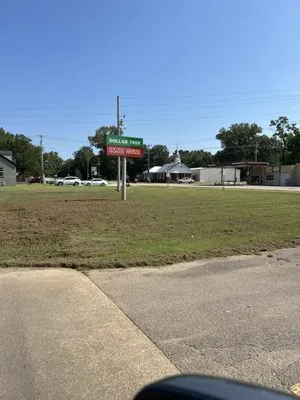
Howell’s Outdoors is your Corinth-based partner for a healthier, greener lawn. We understand the local challenges, like dying shrubs and dead lawn patches, which often stem from our Mississippi climat...
Fancy Washing and Lawn Care is a dedicated local service provider in Corinth, MS, specializing in lawn care and pressure washing to enhance and protect your property. We understand that many Corinth-a...
Grass Routes Lawn Care is your local Burnsville partner for a healthier, more resilient lawn. We understand the common challenges homeowners face here, from uneven sprinkler coverage leaving dry patch...

Burchell Outdoor Services is a family-owned business built on a promise to honor and improve the legacy left by our father. Based in Rienzi, we're not just another service provider; we're your neighbo...
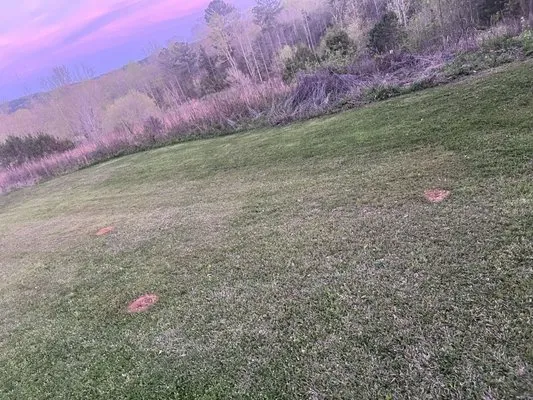
Lawn Patrol is your dedicated local lawn care provider in Ripley, MS, specializing in comprehensive lawn maintenance. We understand the common challenges Ripley homeowners face, such as unsightly lawn...
Estimated Landscaping Service Costs in Corinth, MS
Frequently Asked Questions
How can I maintain healthy turf while following Corinth's Stage 1 water conservation guidelines?
Smart Wi-Fi ET-based weather sensing irrigation systems automatically adjust watering schedules based on real-time evapotranspiration data and local rainfall. This technology reduces water usage by 20-40% compared to traditional timers while preserving Tall Fescue or Zoysiagrass health. The system calculates precise water needs for your 0.25-acre property, avoiding overwatering during Corinth's humid summers. This approach meets municipal water limits while maintaining turf density through strategic deep watering that encourages deeper root systems.
How do concrete pavers and local fieldstone compare to wood for durability and fire safety?
Concrete pavers and local fieldstone offer superior longevity with 25+ year lifespans versus wood's 10-15 years in Corinth's humid climate. These non-combustible materials contribute to defensible space requirements for Moderate Firewise community standards by creating firebreaks around structures. Proper installation with geotextile fabric and compacted base prevents shifting in expansive clay soils. The thermal mass of stone and concrete also moderates microclimate temperatures more effectively than wood surfaces.
How quickly can you respond to an emergency tree cleanup after a storm in Downtown Corinth?
Our electric maintenance fleet can typically reach Downtown Corinth properties within 20-30 minutes during peak storm response periods. We dispatch from our operations center near the Corinth Coliseum Civic Center, taking US-72 for efficient access to the neighborhood. This rapid response helps address immediate safety hazards like downed limbs while complying with Corinth's standard noise ordinance hours of 6:00 AM to 10:00 PM. Our electric equipment operates quietly enough for early morning emergency work without disturbing neighbors.
Why does my Downtown Corinth yard have such dense, compacted soil that struggles to drain properly?
Corinth's residential lots, particularly in neighborhoods like Downtown Corinth with average 1976 construction, have acidic silty clay loam soil that has matured for approximately 50 years. This soil type naturally compacts over decades, reducing permeability and creating seasonal saturation issues. Core aeration with organic amendments like composted pine bark improves soil structure by increasing pore space for water movement and root penetration. Regular soil testing every 2-3 years helps monitor pH levels between 5.5-6.5 to maintain optimal conditions for both turf and native plantings.
What permits and licensing are required for significant grading work on a typical Corinth lot?
The Corinth Building & Planning Department requires grading permits for any earth movement exceeding 50 cubic yards on 0.25-acre properties. Contractors must hold appropriate licensing through the Mississippi State Board of Contractors, particularly for work affecting drainage patterns or structural stability. Professional licensing ensures compliance with state BMP guidelines for erosion control during construction. Unlicensed grading can violate municipal codes and create liability issues if altered drainage affects neighboring properties.
What solutions work best for moderate runoff issues in Corinth's clay-heavy soil?
Seasonal saturation in acidic silty clay loam requires both surface and subsurface interventions. Installing French drains with proper gravel bedding channels water away from foundations while permeable concrete pavers allow 30-50% more water infiltration than solid surfaces. The Corinth Building & Planning Department requires drainage plans that manage runoff within property boundaries, making dry creek beds with local fieldstone both functional and compliant. These systems work together to reduce erosion and standing water during Corinth's wetter months.
What invasive species should Corinth homeowners watch for, and how should they be managed?
Japanese stiltgrass and Chinese privet pose significant threats in USDA Zone 7b, outcompeting native species in Corinth's acidic soils. Manual removal before seed set combined with targeted herbicide applications during active growth periods provides effective control. These treatments must avoid Mississippi's BMP guideline blackout dates that prohibit nitrogen applications during dormancy. Regular monitoring from mid-March through fall catches infestations early when management is most effective and least disruptive to established plantings.
What landscape changes can reduce maintenance while supporting local ecology?
Replacing high-maintenance turf areas with native plantings like Eastern Redbud, Purple Coneflower, and Switchgrass creates resilient, low-input landscapes. These species require minimal watering once established and provide critical habitat for pollinators while reducing mowing frequency. Transitioning to electric maintenance equipment ahead of potential gas-blower restrictions supports Corinth's noise ordinance compliance with quieter operation. This approach aligns with 2026 biodiversity standards by creating layered plant communities that support local food webs.
