Top Landscaping Services in Columbia, MS, 39429 | Compare & Call
There are 39 landscaping companies server in Columbia MS

Shannan's Lawn Care is a trusted local lawn service provider in Columbia, MS, dedicated to maintaining healthy, vibrant lawns for homeowners and businesses. We specialize in comprehensive lawn care so...
B&D's Services is a trusted lawn care provider in Columbia, MS, dedicated to helping local homeowners maintain healthy, vibrant lawns. We specialize in addressing common landscaping challenges in our ...

Holland Hydro Seeding is a family-owned lawn services company based in Columbia, MS, with over ten years of dedicated experience serving the local community and surrounding areas. Specializing in hydr...
Dan The Handyman is your trusted local expert in Columbia, MS, offering reliable carpentry and handyman solutions. While many Columbia homeowners face challenges with lawn fungus and dying shrubs, Dan...
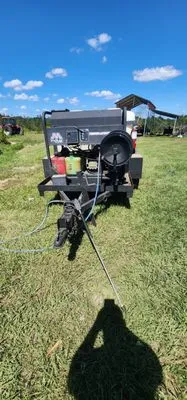
J&T Maintenance is a trusted lawn care provider serving Foxworth, MS, and the surrounding area. We specialize in comprehensive lawn services designed to address common local landscaping challenges, pa...
Smith Landscaping is a Foxworth-based landscaping company dedicated to solving common local yard problems. Many homes in the area struggle with standing water and moss growth in lawns, which can damag...
Dawsey's Sales & Service is a trusted local lawn care provider in Columbia, MS, dedicated to helping homeowners maintain healthy, vibrant lawns. Many Columbia homes face common landscaping challenges ...
Clarks Contracting Services is a Foxworth-based lawn care provider dedicated to helping local homeowners maintain healthy, beautiful yards. We specialize in comprehensive lawn care solutions that dire...
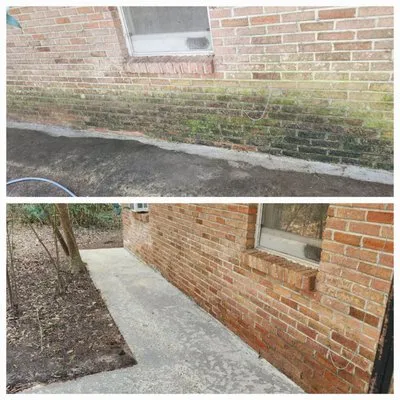
Warrior Pressure Washing Soft Washing
Warrior Pressure Washing & Soft Washing in Tylertown is a locally owned and operated service dedicated to honest and dependable work for homes and businesses across South Mississippi and Louisiana. We...
Estimated Landscaping Service Costs in Columbia, MS
FAQs
My yard holds water after heavy rain. What's the best fix for poor drainage?
Moderate runoff is a common issue with Acidic Fine Sandy Loam over dense clay subsoil, which has low permeability. The primary solution is to install a French drain system to intercept and redirect subsurface water. For new hardscapes, specify permeable concrete pavers or an open-graded crushed limestone base to meet the City of Columbia Planning & Building Department's runoff reduction standards. These materials allow infiltration, reducing the volume and velocity of water leaving your 0.35-acre property.
I'm tired of weekly mowing. Are there lower-maintenance, eco-friendly alternatives?
Yes, transitioning high-maintenance turf areas to a climate-adaptive xeriscape is a forward-thinking strategy. Utilizing a palette of native plants like Southern Magnolia, Purple Coneflower, Oakleaf Hydrangea, and Beautyberry drastically reduces mowing, fertilization, and irrigation needs. This shift also future-proofs your property against evolving noise ordinances that may restrict gas-powered blowers and mowers. The resulting landscape supports local biodiversity and requires only seasonal pruning and mulching.
What permits and credentials should I verify before hiring for major grading work?
Any significant earth-moving or grading on a 0.35-acre lot requires verification of a Mississippi State Board of Contractors license for landscaping or excavation. The contractor must also pull a land disturbance permit from the City of Columbia Planning & Building Department to ensure compliance with erosion control and stormwater management ordinances. This is not DIY work; improper grading can create chronic drainage problems for your and neighboring properties, leading to liability issues.
I see a vine taking over my shrubs. Is it invasive, and how do I stop it?
The most likely culprit is Japanese honeysuckle or kudzu, both aggressive invasives in Zone 8b. Correct identification is essential before treatment. For established vines, careful cut-stump application of a systemic herbicide in late summer is often necessary, strictly following the product's label. Timing is critical to avoid the local Best Management Practices blackout dates for nitrogen, which typically restrict certain applications during peak growing season to protect watersheds. Always consider manual removal for light infestations.
A storm knocked down a large limb. How quickly can a crew respond for an emergency cleanup?
For an urgent HOA compliance or safety issue in Downtown Columbia, we can typically dispatch a crew within a few hours. The route from our staging area near the Marion County Courthouse, using US Highway 98, allows for a 20-30 minute arrival during peak hours. Our electric fleet operations align with the standard noise ordinance window, permitting work from 7:00 AM. We prioritize securing the site and clearing debris from structures and walkways first.
My lawn in Downtown Columbia seems tired and compacted. What's the long-term plan for soil here?
Homes built around 1966, common in this area, have about 60 years of soil development. The prevalent Acidic Fine Sandy Loam tends to become dense and impermeable over decades, especially with the underlying clay-heavy subsoil. Core aeration is critical to break up compaction and improve water percolation. Following aeration, top-dressing with 1-2 inches of composted organic matter will build stable soil structure and slowly adjust the pH towards a more neutral range for optimal nutrient availability.
Should I use concrete pavers or wood for a new patio and walkways?
Concrete pavers are superior to wood for longevity and fire resilience in Columbia. They have a 40+ year lifespan, resist rot and insect damage, and require minimal maintenance. For properties in Moderate (WUI Zone 2) fire-risk areas, pavers and crushed limestone create essential defensible space as non-combustible materials. Their modular nature also allows for better soil permeability compared to solid concrete pours, aiding in overall site drainage management.
How do I keep my St. Augustine grass alive during summer without wasting water?
Under Columbia's Stage 1 voluntary conservation, efficiency is key. A Wi-Fi ET-based weather-sensing irrigation controller is the standard solution. It automatically adjusts runtime by calculating daily evapotranspiration (ET) from local weather data, preventing overwatering. For St. Augustine grass, this typically means deeper, less frequent cycles that encourage root growth. This system can reduce potable water use by 20-30% while maintaining turf health, keeping you well within recommended municipal limits.
