Top Landscaping Services in Biloxi, MS, 39503 | Compare & Call

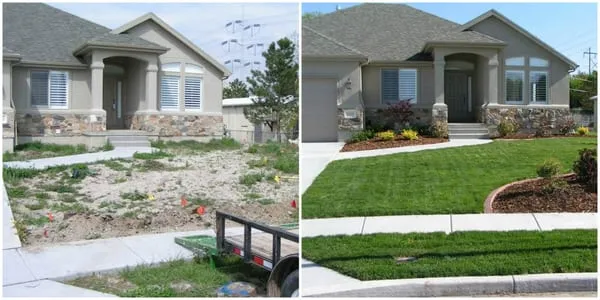
SouthernScapes in Biloxi, MS is a locally-owned and operated landscaping company specializing in comprehensive outdoor solutions. With over eight years of experience serving the Biloxi community, we p...
Keith's Lawn Services is your trusted Biloxi expert for a healthy, resilient lawn. Serving the local community, we specialize in comprehensive lawn care tailored to our Gulf Coast climate. We understa...
Daniel Pineda started Alpha & Omega Landscaping at just 14 years old with a simple push mower, building his business one Biloxi neighborhood at a time. Today, after years of dedicated growth, we proud...

Brian Chevalier provides expert landscaping services in Biloxi, MS, specializing in solutions for the area's common challenges like irrigation timer failure and soil compaction. With the Gulf Coast's ...
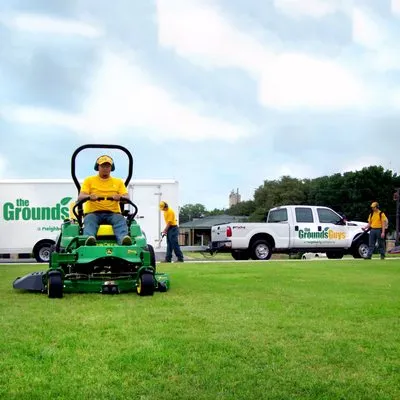
The Grounds Guys of Biloxi is your local, trusted partner for comprehensive outdoor care in the Biloxi area. Founded on a family legacy of quality workmanship that began in 1987, we are a locally owne...
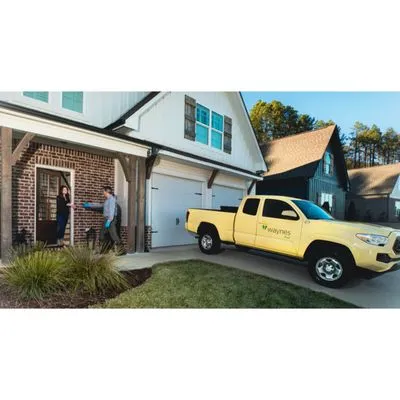
Waynes Pest Control in Biloxi has been protecting local homes and businesses since 1973. Our philosophy is simple: every detail matters. By focusing on employee satisfaction, we ensure our team is ded...
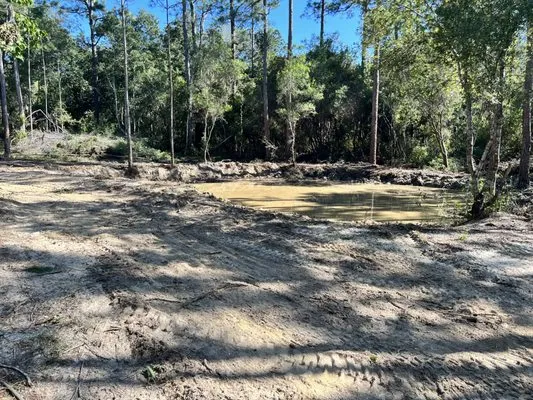
For over 18 years, JTV Excavations has been the trusted local choice for excavation, demolition, and landscaping in Biloxi. As an established contractor, we combine extensive hands-on experience with ...
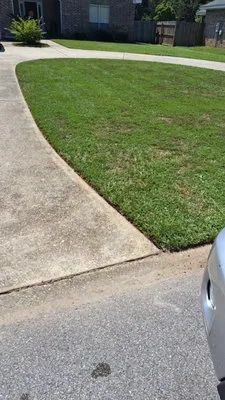
GLW Lawn Service is a locally and veteran-owned lawn care business proudly serving Biloxi, MS, since 2011. Founded by a lifelong landscaper who grew up in his father's company, we bring deep-rooted ex...

Precision Landscape Design and Irrigation
Precision Landscape Design and Irrigation is a Biloxi-based landscaping and irrigation contractor specializing in comprehensive outdoor solutions. We address common local issues like patchy or dead la...
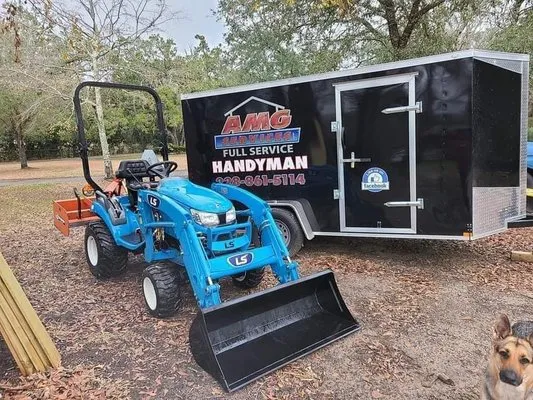
AMG Services is a trusted local handyman and landscaping company serving Biloxi, MS, specializing in fence and gate installation, repair, and weatherproofing, as well as comprehensive landscaping and ...
Common Questions
What alternatives exist for reducing lawn maintenance as equipment regulations change?
Transitioning sections of St. Augustine turf to native plantings like Muhly Grass, Beautyberry, and Blanketflower reduces mowing frequency by 60-80%. These species require minimal irrigation once established and support local pollinators. This shift anticipates stricter noise ordinances affecting gas-powered equipment while creating habitat corridors. Southern Magnolia and Yaupon Holly provide evergreen structure with deep root systems that stabilize sandy soils.
What permits and licenses are needed for grading work on our 0.22 acre property?
The Biloxi Community Development Department requires grading permits for any excavation altering more than 50 cubic yards of soil on standard lots. Contractors must hold Mississippi State Board of Contractors licensing for earthwork exceeding $50,000 in value. Professional engineering may be necessary when modifying drainage patterns near property boundaries. These regulations ensure proper stormwater management and prevent downstream impacts in West End's coastal topography.
Can we maintain St. Augustine grass without violating water conservation guidelines?
Smart Wi-Fi ET-based weather sensing irrigation systems calculate evapotranspiration rates specific to Biloxi's microclimate. These controllers adjust watering schedules daily based on temperature, humidity, and solar radiation data. This technology maintains turf health while reducing water use by 20-30% compared to traditional timers. Even without formal restrictions, this approach aligns with municipal conservation standards while preventing overwatering of acidic sandy soils.
Why choose permeable pavers over wood decking for our outdoor living space?
Permeable concrete pavers offer 30+ year durability compared to wood's 10-15 year lifespan in Biloxi's humid climate. Their non-combustible nature contributes to defensible space requirements in moderate fire risk coastal zones. The installation creates stable surfaces that resist shifting in sandy soils while managing stormwater runoff. This material requires minimal maintenance and won't rot or attract termites like pressure-treated lumber alternatives.
How quickly can you respond to storm damage for HOA compliance in our area?
Emergency cleanup crews dispatch from the Biloxi Lighthouse area via I-110 to reach West End neighborhoods within 20-30 minutes during peak response windows. Our electric maintenance fleet operates within the 7:00 AM to 9:00 PM noise ordinance restrictions while providing immediate debris removal. This routing prioritizes arterial access to address fallen limbs and drainage issues before they violate community standards.
What solutions work for drainage issues with our high water table and storm surge risk?
Permeable concrete pavers create a surface that allows 3-8 inches per hour of water infiltration, addressing both the high water table and coastal inundation risks. When installed with proper base materials, these systems manage runoff while meeting Biloxi Community Development Department standards. This approach reduces standing water that exacerbates soil acidity issues in sandy loam profiles. Strategic grading directs excess flow away from structures during heavy rainfall events.
Our West End neighborhood has older homes - what should we know about soil conditions here?
Homes built around 1990 have soil that has matured for approximately 36 years. Biloxi's acidic sandy loam naturally develops in this coastal region, but decades of compaction from foot traffic and equipment have reduced permeability. Core aeration every 2-3 years introduces oxygen channels while incorporating organic compost addresses the pH 5.5-6.5 range. This combination improves water infiltration and supports deeper root systems for established landscapes.
How do we manage invasive species without conflicting with fertilizer regulations?
Cogongrass and Chinese Tallow present the highest invasive risks in Zone 9a, requiring targeted herbicide applications during active growth periods. These treatments avoid the nitrogen and phosphorus application windows specified in local Best Management Practices. Mechanical removal followed by native replanting prevents soil disturbance that triggers erosion in sandy profiles. Monitoring programs identify new infestations before they establish in the moderate fire risk interface zone.
