Top Landscaping Services in Bay Saint Louis, MS, 39520 | Compare & Call

There are 113 landscaping companies server in Bay Saint Louis MS
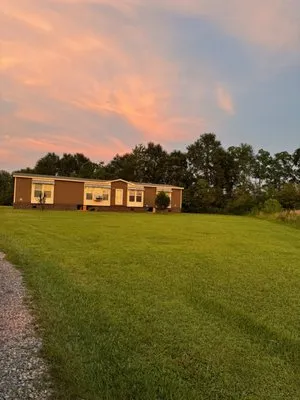
Yard Smiths Lawn Care began with a simple idea formed while working for other lawn service providers in the Brandon area. Through years of hands-on experience across different companies, the owner hon...
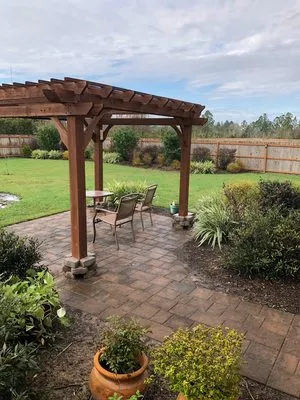
Chnaro Landscaping, LLC has been a trusted Gulfport, MS landscape contractor since 1990. As a fully licensed, bonded, and insured local business, we combine over 25 years of experience with extensive ...

Mallette's Landscaping and Demolition
Mallette's Landscaping and Demolition is a family-operated business in Lucedale, MS, built on hard work and genuine Southern hospitality. We handle a wide range of property needs, from routine lawn ca...
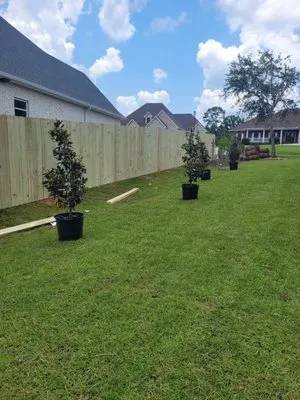
Earthworks Design, Inc. is a licensed and insured landscaping company serving Pass Christian and the Mississippi Gulf Coast. Founded over 18 years ago by Daren, a horticulture professional with a deep...

Dirt World is a Gulfport-based company that has been serving the local community since 2007. We specialize in masonry, concrete, landscaping, and demolition services, providing practical solutions for...

Bayside Landscaping
Bayside Landscaping in Bay Saint Louis, MS, is a veteran-owned landscaping company with nearly twenty years of experience, specializing in hardscape design and outdoor living spaces. Founded by Brian,...
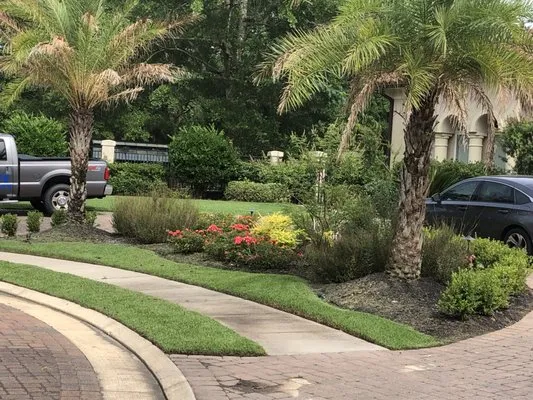
Pro Cuts USA Lawn Service is a locally owned and operated lawn care provider in Long Beach, MS, founded by Samuel Robinson. A Long Beach High School graduate, Samuel returned to the Gulf Coast after H...
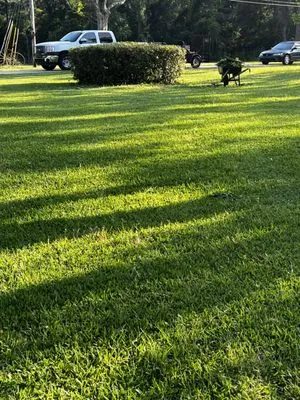
Daniel Pineda started Alpha & Omega Landscaping at just 14 years old with a simple push mower, building his business one Biloxi neighborhood at a time. Today, after years of dedicated growth, we proud...

Pete's Handyman Services
For over a decade, Pete's Handyman Services has been Kiln's trusted source for home repair, improvement, and construction. We're a full-service contractor offering everything from appliance installati...
Waynes Pest Control in Biloxi has been protecting local homes and businesses since 1973. Our philosophy is simple: every detail matters. By focusing on employee satisfaction, we ensure our team is ded...
Estimated Landscaping Service Costs in Bay Saint Louis, MS
Q&A
I'm tired of weekly mowing. Are there lower-maintenance, native options?
Absolutely. Transitioning areas to a landscape built on natives like Elliott's Lovegrass, Yaupon Holly, and Swamp Milkweed drastically reduces water, mowing, and chemical inputs. These plants are adapted to our climate and soils, forming resilient ecosystems. This shift also future-proofs your property against evolving noise ordinances targeting gas-powered blowers and mowers, as native beds require less frequent mechanical maintenance.
Why does the soil in my Old Town yard feel so compacted and lifeless?
Properties in this neighborhood, built around 1981, have Coastal Sandy Loam soil that has been undisturbed for approximately 45 years. While sandy soils drain quickly, decades of foot traffic and conventional maintenance have likely degraded its structure, reducing pore space for air and water. Core aeration and the incorporation of 2-3 inches of composted organic matter are critical to rebuild soil aggregates and microbial activity. This directly improves root penetration for your St. Augustine grass and enhances the soil's water-holding capacity.
How can I keep my lawn healthy under the current water conservation rules?
Under Stage 1 voluntary conservation, the key is precision. Smart, ET-based irrigation systems use local weather data to apply water only when evapotranspiration rates demand it, avoiding waste. For St. Augustine grass in Zone 9a, this typically means deep, infrequent watering cycles in the early morning to minimize evaporation. This technology is essential for maintaining turf health within municipal guidelines, as it can reduce water use by 20-30% compared to traditional timer-based systems.
What do I need to know about permits and licenses for a landscaping project?
Any significant grading, drainage, or structural work on a 0.25-acre lot typically requires a permit from the Bay Saint Louis Building Department. Crucially, the contractor must hold appropriate licensing through the Mississippi State Board of Contractors. This ensures they are bonded, insured, and knowledgeable about state and local codes, including the fertilizer ordinance and BMPs. Always verify this licensing before work begins to protect your investment.
My yard floods during heavy rains. What's a long-term solution that also meets code?
High water tables and storm surge vulnerability here require proactive management. Installing permeable concrete pavers creates a surface that allows rainwater to infiltrate the sandy loam soil, reducing runoff that can overwhelm systems. This approach often aligns with the Bay Saint Louis Building Department's standards for stormwater management. For severe cases, integrating a French drain system with the pavers can provide additional subsurface drainage capacity.
How quickly can a crew respond for an emergency cleanup after a storm?
For urgent HOA compliance or storm debris removal, our dispatch from the Bay Saint Louis Depot allows for a 15-20 minute arrival to most Old Town addresses during peak response windows. We route via I-10 for the most reliable access, with crews equipped for immediate safety assessments and debris staging. This protocol is designed to meet critical timelines while navigating post-event traffic and accessibility challenges common in coastal neighborhoods.
Are permeable pavers a better choice than wood decking for my patio?
For longevity and fire resilience in our Moderate (WUI Zone 2) fire risk area, permeable concrete pavers are superior. Unlike wood, they are non-combustible and require no sealing or replacement from rot. Their permeability also manages runoff, and they provide a stable, low-maintenance surface that contributes to defensible space requirements. Clay brick pavers, common historically, offer similar benefits but with a distinct aesthetic.
What invasive species should I watch for, and how do I handle them safely?
Key alerts include Chinese Tallow and Cogongrass, which outcompete natives. Treatment requires careful timing and method to comply with local Best Management Practices for nutrient pollution. We use targeted, manual removal or approved herbicidal treatments outside of any seasonal blackout dates to prevent chemicals from leaching into the watershed. A healthy, dense planting of natives is the best defense against future invasions.
