Top Landscaping Services in Wright City, MO, 63390 | Compare & Call

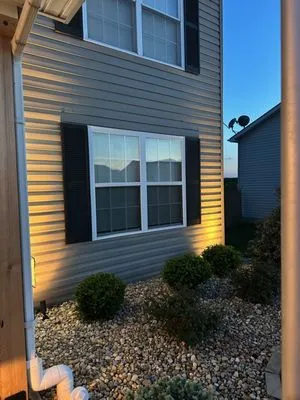
Wuelling Hardscapes is a Wright City, MO-based landscaping company specializing in comprehensive outdoor solutions for local homeowners. We address common area issues like lawn insect damage and sprin...
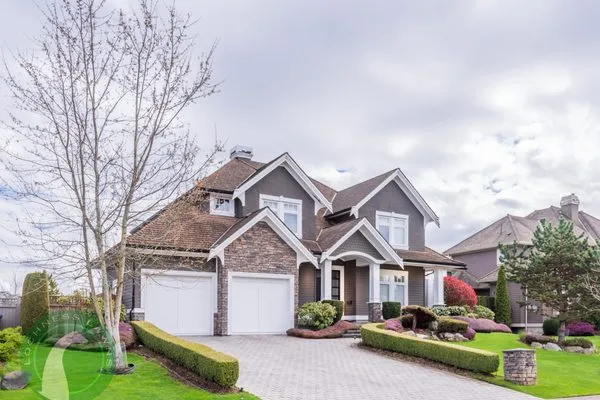
Lochness Landscaping is a family-owned business rooted in Wright City, MO, with a story that began in 1997. Founder Joe started as a teenager with a push mower in Lake St. Louis, building a foundation...
Ground Effects Lawn Care is a trusted local lawn service provider in Wright City, MO, specializing in comprehensive lawn care solutions tailored to the area's unique challenges. We understand that man...
TLC Landscaping & LawnCare is a Wright City, MO-based business dedicated to solving common local lawn and garden challenges. We specialize in addressing issues like moss growth in lawns and irrigation...
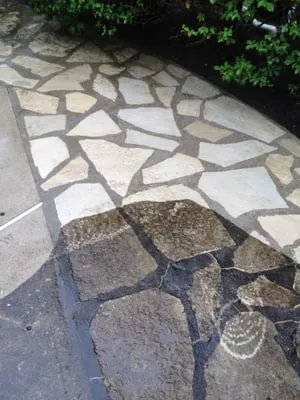
Boyd Walls is a Wright City-based landscaping and pressure washing company specializing in hardscape and landscape construction to address common local issues like soil compaction and dead lawn areas....

For Wright City homeowners dealing with common landscaping challenges like sprinkler leaks and persistent weed infestations, Griesenauer Randy Lawn Care offers reliable, expert solutions. This local, ...
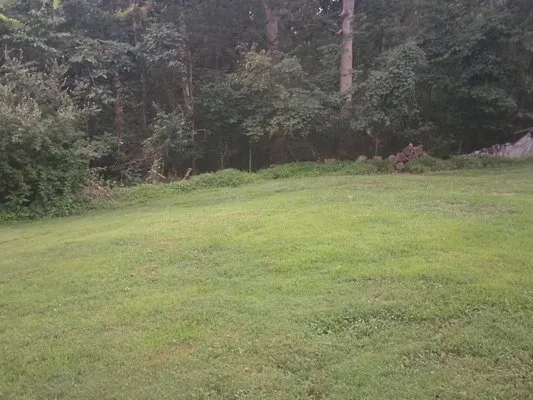
B&k Cutting is a trusted landscaping company serving Wright City, MO, dedicated to helping homeowners maintain beautiful, healthy outdoor spaces. We understand that many local homes face common challe...
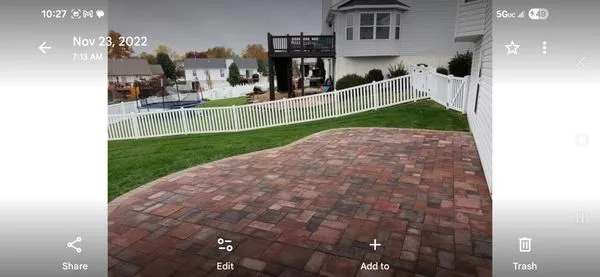
Sjs Basicscapes is a Wright City, MO landscaping company built on a foundation of genuine passion and customer partnership. With over 20 years of hands-on experience and 7 years serving the local comm...
Honey Do Lawncare is your trusted local lawn service in Wright City, MO. We understand that homes in our area often face specific challenges like storm debris cleanup and landscape edging damage. Our ...
Serving Wright City, MO, ST Lawn Care provides expert lawn maintenance to keep your property healthy and vibrant. We understand the common local landscaping challenges homeowners face, such as dying s...
FAQs
I've spotted what looks like Japanese Knotweed. How do we handle invasive species safely?
Early identification and treatment of invasive species like Japanese Knotweed is critical. Safe eradication often requires targeted, foliar herbicide applications by a licensed professional during specific growth windows. This precise approach minimizes environmental impact and strictly adheres to Missouri's fertilizer ordinance, which prohibits non-deficient phosphorus applications on turf, ensuring treatment does not violate local chemical use standards.
We want a green Tall Fescue lawn but are worried about water waste. What's the best approach?
In Wright City's current Stage 0 restriction status, proactive conservation is key. A Wi-Fi ET-based weather-sensing irrigation system applies water only when evapotranspiration data indicates a need, matching output precisely to your turf's requirements. This technology prevents overwatering, reduces runoff on compacted clay subsoils, and maintains lawn health within municipal water budgets, often reducing usage by 20-30%.
I'm tired of weekly mowing and gas blower noise. Are there lower-maintenance, native options?
Transitioning high-input Tall Fescue turf to a landscape of Purple Coneflower, Butterfly Milkweed, Little Bluestem, and Wild Bergamot drastically reduces maintenance. This native plant community requires no mowing, minimal water, and supports local biodiversity. It also future-proofs your property against tightening noise ordinances targeting gas-powered equipment, aligning with the shift toward electric landscape maintenance fleets.
We want to regrade our 0.25-acre lot to fix drainage. What permits and licensing are involved?
Significant grading on a 0.25-acre lot typically requires an engineered drainage plan and a permit from the Wright City Building & Planning Department. The contractor must hold appropriate licensing through the Missouri Department of Agriculture for pesticide application if soil treatments are needed, and may need additional licensing for earthmoving. This ensures the work complies with local erosion control and state environmental regulations.
A major storm just blew through. How quickly can you get a crew here for emergency tree limb cleanup?
For urgent HOA compliance or safety issues, a crew can be dispatched from our staging area near Diekroeger Park. Using I-70 for primary access, the estimated travel time to Downtown Wright City is 20-30 minutes during peak periods. Our electric maintenance fleet operates quietly within the 7:00 AM to 9:00 PM noise ordinance window, allowing for immediate post-storm response without disturbance.
We're adding a patio. Are concrete pavers or wood better for our climate and fire risk?
For Wright City's USDA Zone 6b climate and Moderate Wildland-Urban Interface fire rating, concrete pavers are superior to wood. They offer exceptional longevity without rotting, provide a non-combustible surface for defensible space, and withstand freeze-thaw cycles. Crushed limestone pathways further complement this by creating a fire-wise, low-maintenance hardscape that requires no watering or staining.
Our yard pools water after every rain. What's a long-term solution for our soil type?
Moderate runoff on Silt Loam over clay is a common Wright City drainage hazard. The solution involves improving permeability. Subsurface French drains can intercept water, while replacing solid concrete with permeable concrete pavers for patios allows infiltration. These strategies meet Wright City Building & Planning Department runoff standards by managing water on-site and alleviating subsoil compaction.
Our subdivision was built around 2003, and the soil seems compacted and lifeless. Why is that?
Construction-era lots in Downtown Wright City often have a thin veneer of topsoil over compacted clay subsoil. With 23 years of soil maturity since 2003, the native Silt Loam has likely been depleted of organic matter from repeated mowing without core aeration. This leads to poor percolation and reduced microbial activity. Amending with compost and implementing annual core aeration is critical to rebuild soil structure and water infiltration.
