Top Landscaping Services in Winfield, MO, 63389 | Compare & Call
There are 48 landscaping companies server in Winfield MO
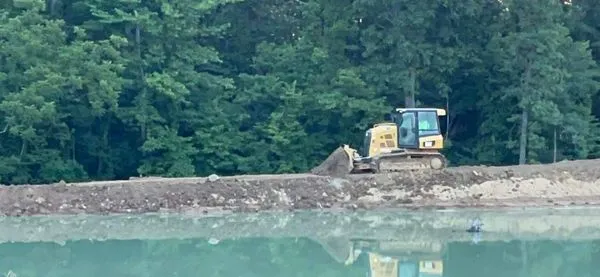
BMR Earthworks provides comprehensive excavation, demolition, and landscaping services for the Warrenton, MO community. We specialize in transforming properties through earthmoving, land clearing, and...
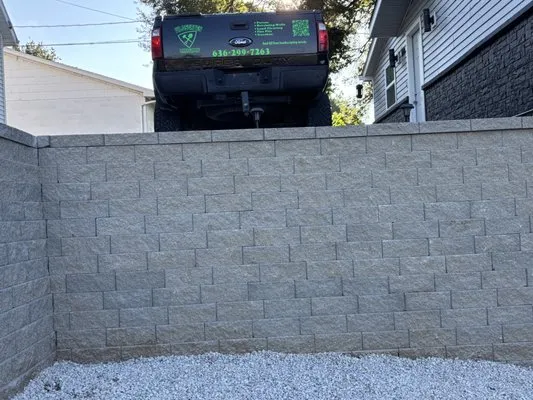
Wildscapes Landscaping is your trusted partner for comprehensive outdoor living solutions in Winfield, MO. Specializing in hardscaping, landscape construction, and design, we build and maintain patios...
Double H Landscape is your trusted, locally-owned landscaping partner in Winfield, MO. We understand the unique challenges Winfield properties face, especially with soil compaction and persistent weed...
Green Horizon Landscaping is your trusted, local partner for year-round outdoor care in Winfield, MO. We specialize in professional snow removal, comprehensive lawn services, and expert irrigation sys...
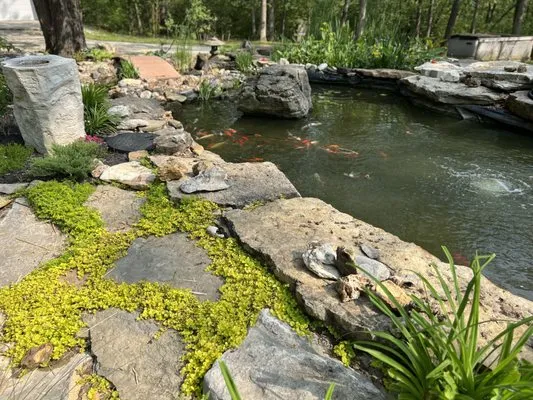
XM Aquascaping is a Winfield, MO-based landscaping company specializing in creating beautiful, functional outdoor spaces tailored to the local environment. We help homeowners address common local issu...
Lawn Guardian is a trusted local business in Winfield, MO, offering comprehensive landscaping, tree services, and plumbing solutions. We specialize in landscape maintenance, plumbing inspections, and ...
Turf Wurx Quality Lawncare is your trusted local expert for year-round outdoor care in Winfield, MO. We understand the common challenges Winfield homeowners face, from sprinkler leaks that waste water...
Excel Outdoor Services is your trusted local expert in Winfield, MO, providing comprehensive lawn, tree, and irrigation solutions. We specialize in irrigation construction, design, repair, and mainten...
Estimated Landscaping Service Costs in Winfield, MO
Question Answers
What permits and licenses are needed for grading my quarter-acre lot?
Grading projects exceeding 50 cubic yards of earth movement require Lincoln County Planning & Zoning Department permits with engineered drainage plans. Contractors must hold Missouri Department of Agriculture landscaping licenses with erosion control certification for sites this size. Professional licensing ensures proper slope stabilization and prevents sedimentation violations in nearby riparian zones.
How can I reduce maintenance while preparing for electric equipment mandates?
Replace high-maintenance turf with Purple Coneflower, Butterfly Milkweed, Little Bluestem, and Rough Blazing Star natives that require no mowing or gas-powered equipment. These species establish deep root systems within 2 growing seasons, creating self-sustaining landscapes that comply with emerging noise ordinances. Electric maintenance fleets operate effectively in these biodiverse plantings without disturbing soil structure.
Will smart irrigation systems work during voluntary water conservation?
Smart Wi-Fi soil moisture sensors maintain Kentucky Bluegrass and Tall Fescue blends while reducing consumption 30-40% below municipal limits. These controllers use evapotranspiration data to schedule irrigation only when soil moisture drops below field capacity. During voluntary conservation periods, the system automatically adjusts runtime based on real-time weather forecasts and soil percolation rates.
What invasive species threaten Winfield landscapes and how are they controlled?
Japanese knotweed and callery pear present the highest invasion risk in USDA Zone 6b, spreading through riparian corridors and disturbed soils. Treatment requires targeted glyphosate applications during fall translocation periods, avoiding spring blackout dates near water bodies where phosphorus-free fertilizers are mandated. Manual removal followed by native seeding creates competitive exclusion within 12-18 months.
How quickly can you respond to storm damage for HOA compliance?
Emergency cleanup crews dispatch from Winfield City Park via MO-47 with 20-30 minute peak response times. This routing avoids residential congestion while allowing equipment transport for fallen limb removal and erosion control. Teams carry electric chainsaws and sweepers to comply with 7:00 AM noise ordinance restrictions during early morning deployments.
What solutions prevent seasonal ponding in low-lying areas?
Moderate ponding in riparian zones requires French drains with crushed limestone aggregate to improve permeability in silt loam soils. Permeable concrete pavers in walkways meet Lincoln County Planning & Zoning Department runoff standards by allowing 8-12 inches per hour infiltration. Grading should direct water toward rain gardens planted with native species that tolerate periodic saturation.
Why does my Winfield lawn have drainage issues despite regular care?
Winfield City Center properties built around 1995 have 31-year-old soil profiles where original construction compaction persists. Silt loam soils in this neighborhood naturally develop surface crusting that reduces permeability to 0.5 inches per hour. Core aeration every 2-3 years with organic compost amendments addresses this historical layering while maintaining the optimal 6.5-7.0 pH range for turfgrass root development.
Should I choose crushed limestone or wood for patio materials?
Crushed limestone provides 25+ year longevity with minimal maintenance compared to wood's 8-12 year lifespan requiring chemical treatments. For fire-wise compliance, limestone creates the required 5-foot non-combustible buffer while maintaining permeability rates above 6 inches per hour. Concrete pavers offer similar benefits with interlocking designs that accommodate root growth without heaving in freeze-thaw cycles.
