Top Landscaping Services in Webster Groves, MO, 63119 | Compare & Call
There are 179 landscaping companies server in Webster Groves MO
Landscape St Louis has been a trusted name in Saint Louis landscaping since 1987, specializing in creating distinctive outdoor spaces that complement the architectural style of local homes. As a desig...
Kutsch Landscaping is a trusted, full-service landscaping company serving St. Louis, MO, and the surrounding areas. We specialize in comprehensive landscaping, snow removal, and tree services, offerin...
Always There Lawn Care in Saint Louis, MO, is a locally owned and operated business providing both interior and exterior care for over 15 years. We specialize in comprehensive lawn care, landscaping, ...
Eirich Landscaping is a trusted local landscaping company serving Saint Louis, MO, and the surrounding areas. We specialize in diagnosing and solving common regional lawn and garden problems, such as ...
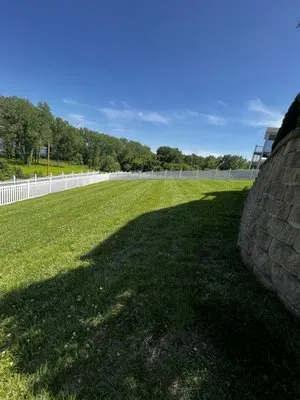
Cantrell Cuts is a locally owned and operated lawn care, snow removal, and pest control service based in Kirkwood, MO. Founded by Romano, the business has grown from a simple passion for making people...
123 Weed Whacking is a dedicated lawn care service based in Saint Louis, MO, specializing in addressing common local landscaping challenges. Many Saint Louis homeowners struggle with bare lawn patches...
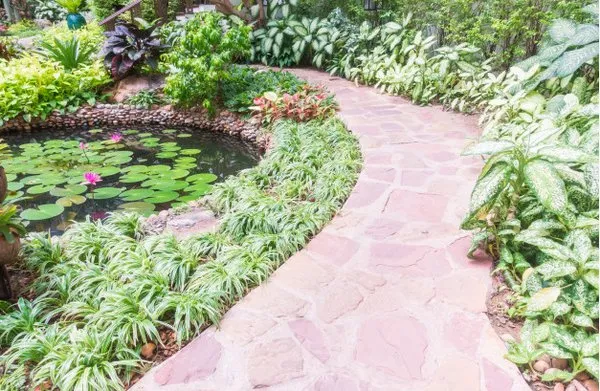
JUS Sunkissd Landscaping is a trusted St. Louis company specializing in comprehensive landscape and tree care. We understand the local challenges homeowners face, from struggling shrubs to faulty irri...
Gunn Landscaping & Tree Service is a trusted Saint Louis-based company dedicated to solving common local landscaping challenges. We specialize in addressing issues like sprinkler leaks and soil compac...
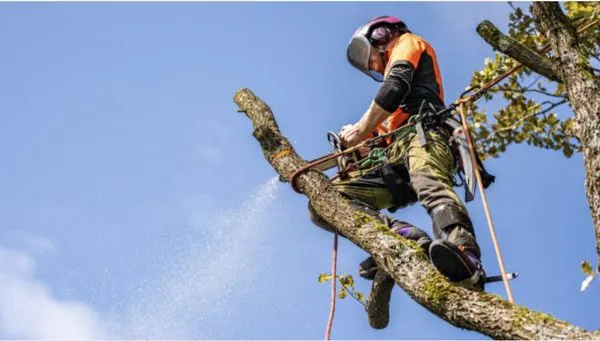
J&G Contracting is your trusted local partner for enhancing and protecting your property in Park Hills and the surrounding communities. We specialize in a comprehensive range of outdoor services, incl...
Estimated Landscaping Service Costs in Webster Groves, MO
Q&A
Why does my Webster Groves lawn struggle despite regular care?
Homes in Old Webster average 76 years of soil development since construction in 1950. Silt loam soils in this neighborhood have experienced decades of compaction from foot traffic and equipment, reducing permeability below optimal levels for root growth. Core aeration every 1-2 years introduces oxygen channels while incorporating composted organic matter addresses nutrient depletion. This combination improves soil structure more effectively than surface treatments alone.
How quickly can you respond to storm damage for HOA compliance?
Emergency cleanup crews dispatch from the Webster Groves Public Library area, taking I-44 to reach Old Webster properties within 20-30 minutes during peak conditions. We prioritize safety assessments before debris removal, documenting damage for insurance purposes while meeting neighborhood aesthetic standards. This rapid response prevents secondary damage from fallen limbs while maintaining property values through immediate visual improvement.
What invasive species threaten Webster Groves landscapes?
Japanese stiltgrass and wintercreeper euonymus spread aggressively through Old Webster's shaded understories, outcompeting native groundcovers like Oak Sedge. Manual removal before seed set combined with targeted glyphosate applications during active growth phases provides effective control. These treatments must avoid restricted fertilizer application dates and phosphorus-containing products unless soil testing confirms specific deficiencies in established plantings.
What permits and licenses are needed for landscape grading work?
The Webster Groves Planning & Development Department requires grading permits for soil movement exceeding 50 cubic yards on 0.25-acre lots to prevent erosion and drainage impacts on neighboring properties. Contractors must hold Missouri Department of Agriculture licensing for pesticide application and business registration for landscape installation exceeding $5,000 in value. Unlicensed grading risks fines up to $1,000 per day and potential liability for downstream flooding damage.
Can I maintain a healthy Tall Fescue lawn under voluntary water conservation?
Wi-Fi ET-based weather sensing irrigation automatically adjusts watering schedules using real-time evapotranspiration data from local weather stations. This technology reduces Tall Fescue irrigation by 20-40% compared to timer-based systems while maintaining turf health through precise moisture delivery. During Stage 0 voluntary conservation, these systems demonstrate compliance by avoiding watering during precipitation events and optimizing for early morning application when evaporation losses are minimal.
Are permeable clay pavers better than wood for durability?
Permeable clay pavers maintain structural integrity for 25+ years without the decay, insect damage, or warping that affects wood installations within 5-10 years in Missouri's humid climate. Their non-combustible nature supports Webster Groves' Low Urban Interface fire rating by creating defensible space without adding fuel loads near structures. The initial investment returns through eliminated replacement costs and reduced stormwater management expenses over the product lifecycle.
How can I reduce maintenance while supporting local ecology?
Replacing high-input Tall Fescue with Purple Coneflower, Butterfly Milkweed, and Little Bluestem creates a self-sustaining landscape that requires no weekly mowing. These Missouri natives have evolved with local pollinators and climate patterns, surviving on natural rainfall once established. Transitioning to electric maintenance equipment before potential gas-blower restrictions takes advantage of current noise ordinance windows while eliminating fossil fuel dependence for routine care.
What solutions address moderate runoff in my clay-heavy soil?
Clay subsoil compaction beneath silt loam surfaces creates impermeable layers that channel stormwater across properties rather than absorbing it. Installing permeable clay pavers in walkways and patios allows 80-90% of rainfall to infiltrate directly into the soil matrix. The Webster Groves Planning & Development Department requires these systems for new hardscapes exceeding 100 square feet to meet municipal runoff reduction targets while preventing basement flooding and erosion.
