Top Landscaping Services in Waynesville, MO, 65583 | Compare & Call

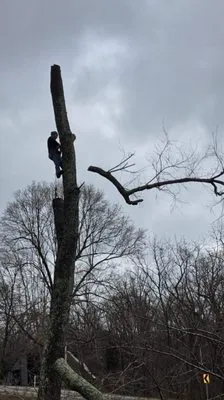
Atchison Tree Service & Lawn Care
Atchison Tree Service & Lawn Care is a veteran-owned business in Waynesville, MO, with deep roots in arboriculture spanning four generations. Owner and 4th generation arborist, I started learning the ...
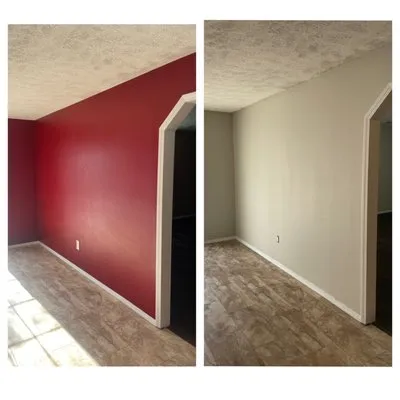
Slick Fix is your local, reliable handyman service in Waynesville, MO, owned and operated by a dedicated veteran with over nine years of hands-on experience. Rooted in a strong work ethic from militar...
As a 20-year Army veteran, I bring discipline, hard work, and integrity to every job in Waynesville. I started Veteran Mowing Service because I saw too many neighbors overpaying for lawn care and want...
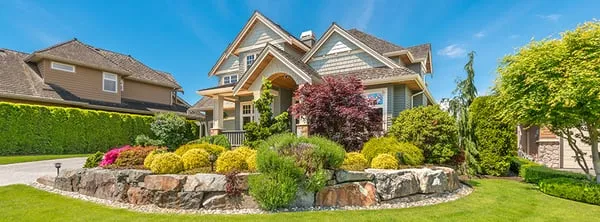
Bluestem Landscaping is a licensed, full-service provider dedicated to enhancing outdoor spaces for homes and businesses in Waynesville and the surrounding Missouri communities. We offer a comprehensi...
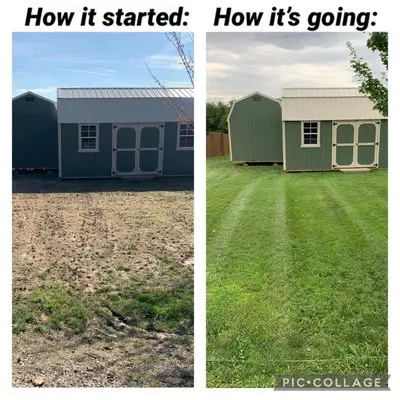
The Wizard of Lawns is a veteran-owned and operated lawn care and maintenance company proudly serving the Waynesville, Saint Robert, and Fort Leonard Wood areas. Founded by owner/operator Sean after 1...
Nice Yard Lawn Service is your dedicated Waynesville partner for achieving a healthy, green lawn. We understand the common local challenges of bare patches and overgrown shrubs, which can detract from...
Jabiso is a trusted lawn care provider serving Waynesville, MO, dedicated to keeping local properties healthy and beautiful. We specialize in comprehensive lawn care services tailored to the unique ch...
Richards Lawn Care & Tree Service is a trusted, locally-owned provider in Waynesville, MO, dedicated to maintaining and enhancing the health and beauty of your property. We specialize in comprehensive...

Jabiso Lawn Care
Jabiso Lawn Care is your trusted local partner for year-round property care in Waynesville, MO. We specialize in comprehensive lawn care and reliable snow removal, ensuring your outdoor space looks it...
Joe's Neighborhood Lawn Service is Waynesville's trusted local lawn care provider. We specialize in addressing the common yard issues faced by our community, particularly yard erosion and dead lawn pa...
Common Questions
What drainage solutions work with our karst topography?
Karst landscapes require permeable systems that manage runoff without triggering sinkhole formation. Native dolomitic limestone hardscapes allow gradual water infiltration while meeting Waynesville Building & Zoning Department runoff standards. French drains should incorporate geotextile fabric and gravel layers to prevent soil migration into limestone cavities. Surface grading should maintain 2% slope away from structures, directing water to rain gardens planted with moisture-tolerant natives.
Should I install smart irrigation with no current water restrictions?
Wi-Fi ET-based controllers provide precise water management that aligns with voluntary conservation principles. These systems calculate evapotranspiration rates specific to Waynesville's Zone 6b climate, delivering exactly what Tall Fescue requires without waste. Programming separate zones for sun exposure variations prevents overwatering shaded areas. This technology typically reduces municipal water usage by 20-30% while maintaining turf health through drought periods.
Why does my Waynesville lawn struggle despite regular watering and fertilizing?
Properties in the Roubidoux Creek District, with average construction around 1978, have 48-year-old soil profiles. Clarksville Stony Loam naturally develops compaction layers that restrict root penetration and water infiltration. Core aeration every 2-3 years is essential to break up these layers, while incorporating 1-2 inches of compost annually addresses the acidic pH range of 5.5-6.5. This combination improves soil structure and nutrient availability more effectively than surface applications alone.
Is dolomitic limestone better than wood for patio construction?
Dolomitic limestone offers superior longevity with minimal maintenance compared to wood alternatives. Its natural permeability manages runoff effectively while withstanding freeze-thaw cycles common in Zone 6b. For properties in Moderate Fire Wise zones, limestone provides non-combustible defensible space when installed with proper clearance from structures. The material's thermal mass moderates temperature extremes, reducing heat island effects in urban interfaces.
How quickly can you respond to storm damage for HOA compliance?
Emergency cleanup crews dispatch from Waynesville City Park via I-44, reaching most Roubidoux Creek District properties within 20-30 minutes during peak conditions. This routing prioritizes arterial access while avoiding residential bottlenecks. Our response protocol includes immediate debris assessment, temporary safety measures, and coordination with utility providers when necessary. Equipment staging near major corridors ensures rapid deployment for time-sensitive compliance situations.
How do I control invasive species without chemical dependency?
Japanese knotweed and garlic mustard pose particular threats in Roubidoux Creek District's disturbed soils. Manual removal during early growth stages prevents seed set, while solarization with clear plastic heats soil to lethal temperatures for persistent rhizomes. Missouri's BMP recommendations emphasize timing applications outside spring runoff periods to protect karst aquifers. Establishing competitive native groundcovers like Wild Bergamot creates biological resistance to reinfestation.
What permits and licenses are needed for grading my 0.25-acre lot?
The Waynesville Building & Zoning Department requires erosion control permits for any grading exceeding 100 cubic yards of soil movement. Professionals must hold Missouri Department of Agriculture licensing for pesticide application if treating exposed subsoil. Karst topography mandates geotechnical assessment before significant excavation to document sinkhole risks. Contractors should provide certification in sediment basin construction when working within 50 feet of drainage ways feeding Roubidoux Creek.
Can I reduce maintenance while preparing for future regulations?
Replacing high-maintenance turf with native plantings creates ecological resilience ahead of potential equipment restrictions. Purple Coneflower, Butterfly Milkweed, and Little Bluestem establish deep root systems that survive drought without irrigation. These plant communities support local pollinators while requiring only annual cutting back instead of weekly mowing. Transitioning gradually allows soil microbiome adjustment and provides natural fuel breaks in Moderate WUI zones.
