Top Landscaping Services in Washington, MO, 63090 | Compare & Call
There are 78 landscaping companies server in Washington MO
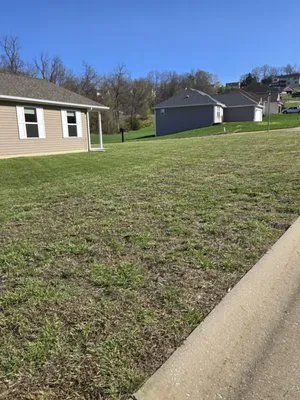
Gills Grass is a trusted local landscaping company serving New Haven, MO, and the surrounding areas. We specialize in addressing common residential landscaping problems that many homeowners face, such...
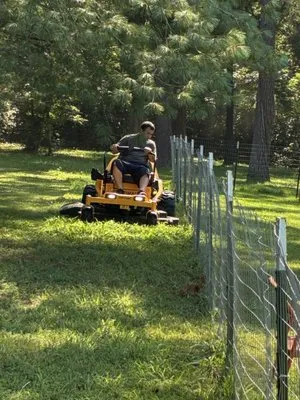
Native Lawn Care is a locally owned and operated lawn and tree service proudly serving Villa Ridge, MO. As a Native American-owned business, we bring a dedicated, community-focused approach to every j...
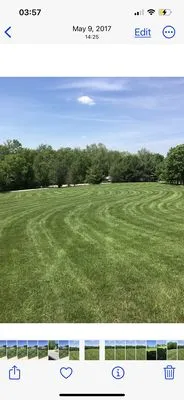
Prime Professional Services is a trusted lawn care provider serving Union, MO, and the surrounding areas. We specialize in comprehensive lawn care solutions designed to address common local landscapin...
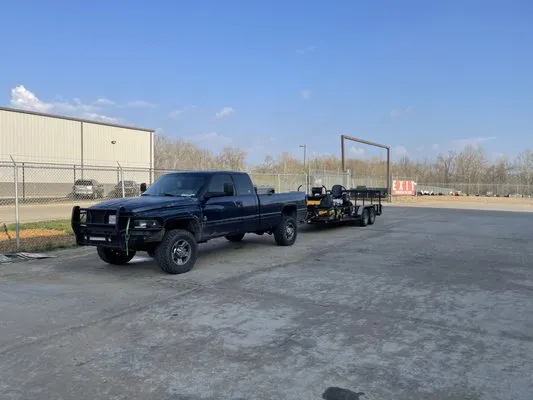
Winkle Lawn Care is your trusted, local lawn service provider in Dittmer, MO, specializing in comprehensive lawn care solutions. We understand the common local challenges of uneven sprinkler coverage ...
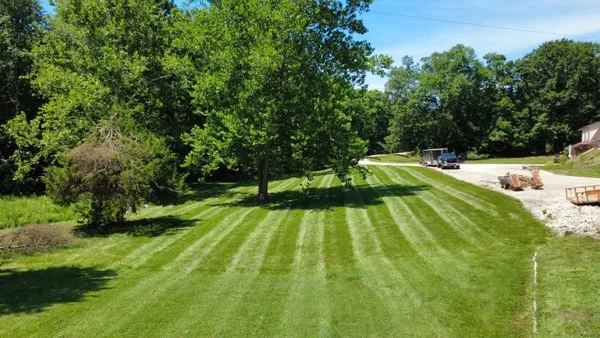
Webb's Grounds and Power Washing is a locally owned and operated business proudly serving Union, MO, and the surrounding communities. Founded in 2024, we are dedicated to enhancing the beauty and heal...

Prestige H and P Preservation has been a trusted name in Saint Clair, MO, for over five years, dedicated to turning houses into homes. We are your local partner for a full spectrum of home and propert...
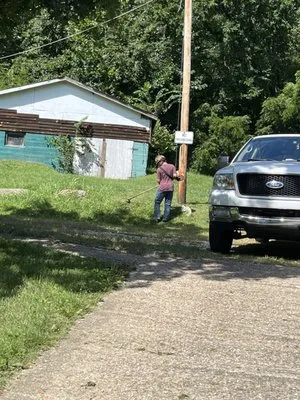
C&O Lawn Care is a trusted, locally-owned lawn service provider dedicated to maintaining the beauty and health of properties in Saint Clair, MO. We understand the common local challenges homeowners fa...
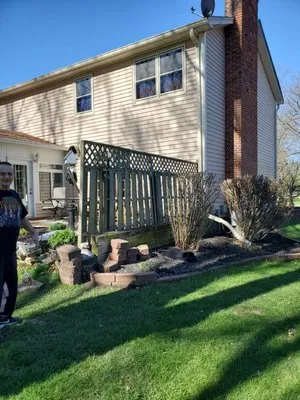
A Little Bit Tree Service is a Beaufort-based company providing comprehensive outdoor solutions for homes and businesses. We specialize in tree care, landscaping, and hardscaping, from tree trimming a...

Precision Land Management in Union, MO, is a family-run company built on a foundation of faith and community. Our primary mission is to glorify God through our work, ensuring integrity and care in eve...
STL Hardscape Solutions
STL Hardscape Solutions in Pacific, MO, is a locally owned and operated company dedicated to creating lasting outdoor transformations, from initial concept to final completion. With over 15 years of e...
Estimated Landscaping Service Costs in Washington, MO
Common Questions
How do I control invasive species without violating fertilizer regulations?
For invasive species like Japanese knotweed or bush honeysuckle, mechanical removal followed by targeted organic herbicides avoids phosphorus runoff concerns. Time applications outside Missouri's non-phosphorus ordinance blackout dates typically in spring runoff periods. Soil testing determines if amendments are needed, with mycorrhizae inoculants often restoring biological balance without synthetic fertilizers that could violate state standards.
Are concrete pavers or wood better for durable outdoor living spaces?
Concrete pavers and Missouri limestone offer 25+ year longevity versus wood's 10-15 year lifespan with maintenance. These materials provide non-combustible defensible space important even in Washington's low Fire Wise rating urban-suburban interface. Properly installed with polymeric sand joints, they resist frost heave in Zone 6b while requiring minimal upkeep compared to wood's staining, sealing, and eventual replacement cycles.
What low-maintenance alternatives exist for high-water turf areas?
Transitioning to native plantings like purple coneflower, butterfly milkweed, little bluestem, and wild bergamot reduces maintenance by 60-70%. These species require no supplemental irrigation once established and support local pollinators. This approach anticipates tighter noise ordinances restricting gas-powered blowers while creating self-sustaining ecosystems that thrive in Missouri's Zone 6b climate without chemical inputs.
How quickly can you respond to emergency storm damage for HOA compliance?
Our electric maintenance fleet can dispatch from Washington City Park within 20-30 minutes during peak response times. We route via MO-47 to access Downtown Washington neighborhoods efficiently while complying with noise ordinance hours. This allows same-day cleanup of fallen branches, debris removal, and turf restoration to meet typical HOA 48-hour compliance windows after severe weather events.
Why does my Washington yard have such compacted soil that needs annual aeration?
Downtown Washington properties built around 1978 have 48-year-old soil systems. Silt loam soil naturally compacts over decades, reducing permeability and oxygen availability to roots. Core aeration every 1-2 years breaks up compaction layers, while adding organic compost improves soil structure and water retention. This addresses the common issue in our neighborhood where decades of foot traffic and maintenance have degraded original soil health.
What's the best solution for persistent ponding in my low-lying yard?
Localized ponding in Washington's riparian zones indicates poor soil percolation in silt loam. Installing French drains with gravel channels redirects surface water, while replacing solid concrete with permeable Missouri limestone pavers increases infiltration. These solutions meet Washington Planning & Engineering Department runoff standards by managing the 1-2 inch per hour permeability limitation of compacted urban soils common in our area.
What permits and licenses are required for regrading my 0.22-acre property?
Grading work exceeding 50 cubic yards requires a permit from Washington Planning & Engineering Department to ensure proper drainage and erosion control. Contractors must hold Missouri Department of Agriculture licensing for landscape installation, which verifies competency in soil management and stormwater compliance. On standard 0.22-acre Washington lots, even modest regrading often triggers these requirements due to proximity to property lines and municipal infrastructure.
How do I maintain healthy tall fescue turf without violating water restrictions?
Wi-Fi ET-based weather sensing irrigation calculates evapotranspiration rates to deliver precise water amounts. This system adjusts daily based on temperature, humidity, and rainfall data, typically reducing water use 20-30% compared to traditional timers. At Stage 0 restrictions, this technology prevents overwatering while maintaining tall fescue's 1-1.5 inch weekly needs during Washington's growing season from April through October.
