Top Landscaping Services in Sunset Hills, MO, 63122 | Compare & Call
There are 177 landscaping companies server in Sunset Hills MO

Green Goat Outdoor Services is a locally owned and operated company in Fenton, MO, founded by six dedicated owners who share a hands-on approach to every project. We bring years of combined experience...
C&G Landscaping is a dedicated, locally-owned landscaping company serving University City and the greater Saint Louis area. As a team of hard-working professionals, we bring a fresh, committed approac...

Blaze to Bloom Landscaping is a Saint Louis-based expert dedicated to solving the common local lawn and landscaping challenges faced by homeowners. We understand that issues like patchy grass and moss...
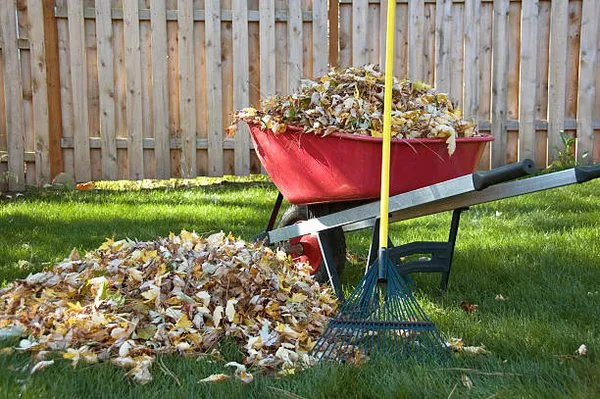
Your Time Lawn Care
Your Time Lawn Care was founded by Justin Bell, a Eureka local whose lifelong passion for the outdoors and sports grew into a deep expertise in lawn science. After mastering the trade with other compa...
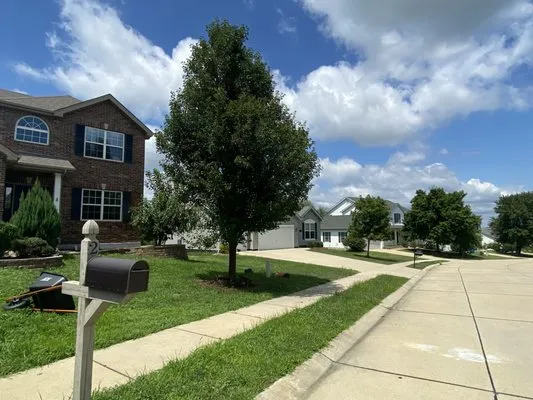
Great Gardens Landscaping And More is a trusted Marble Hill, MO, provider specializing in comprehensive tree services and landscaping. We help homeowners and businesses address common local issues lik...
Missouri Brush Control, based in Eureka, MO, specializes in environmentally sustainable forestry mulching for selective land clearing across eastern Missouri. Utilizing specialized equipment from bran...

St. Louis Tree Pros is a locally owned and operated tree care and landscaping service based in Valley Park, MO, serving the greater St. Louis region since 2015. Our team includes ISA Certified Arboris...
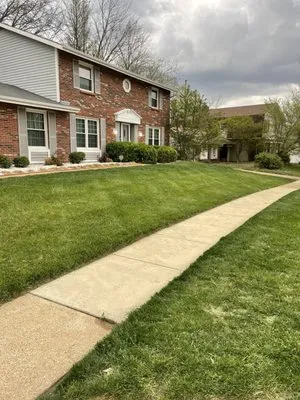
Since 1987, Shearn Landscaping has been the trusted, family-owned choice for lawn and property care in Chesterfield, MO, and throughout St. Louis West County. Our approach is built on listening first,...
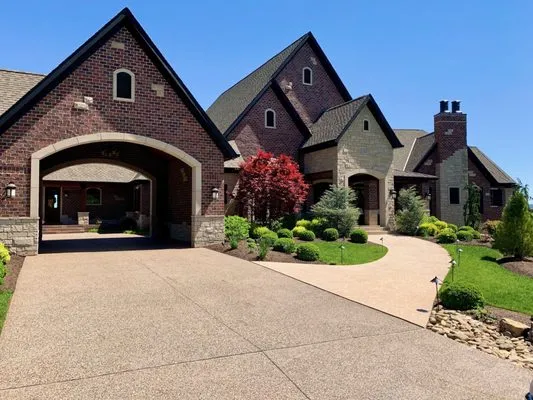
For over 40 years, Action Landscaping Inc. has been a trusted, family-owned and operated business rooted in Imperial, MO. It all started in 1981 from a home office and barn, with just two mowers and a...

Bow Man Mulching is a Saint Louis-based landscaping and tree service company dedicated to enhancing and maintaining the beauty of local properties. Specializing in landscape construction, maintenance,...
Estimated Landscaping Service Costs in Sunset Hills, MO
FAQs
My lawn is thin and doesn't drain well. Did the original construction damage the soil?
Properties built in 1976, like many in the Watson/Gravois Corridor, have soil that has matured for about 50 years. This silt loam has naturally compacted and likely developed a restrictive claypan layer, severely slowing water infiltration. Core aeration is critical to break this layer and introduce oxygen. Annual top-dressing with composted organic matter is required to rebuild soil structure and support healthy root systems for turf or native plantings.
What permits and qualifications do I need to regrade and reshape my backyard?
Regrading a 0.45-acre lot typically requires a permit from the Sunset Hills Public Works Department to ensure proper stormwater management and adherence to grade plans. The contractor must be licensed through the St. Louis County Department of Planning. This licensing verifies competency in erosion control and compliance with county nutrient management rules, which is crucial for protecting the downstream watershed from sediment and fertilizer runoff.
Are permeable clay pavers a better choice than a wooden deck for a new patio?
For longevity and ecological function in Zone 7a, permeable clay pavers are superior. They do not rot, warp, or require chemical treatments, and their permeability directly mitigates local drainage issues. While this area has a low Fire Wise rating, non-combustible pavers also contribute to defensible space. Compared to wood, they offer a centuries-long service life with minimal maintenance, aligning with sustainable site design principles.
My yard holds water for days after rain. What's a long-term fix that also looks good?
Persistent ponding indicates the common claypan layer in local silt loam. Beyond regrading and installing French drains, replacing impervious surfaces with permeable clay pavers is highly effective. These pavers allow stormwater to infiltrate slowly, recharging groundwater and reducing runoff that must be managed. This approach often meets Sunset Hills Public Works Department stormwater standards while providing a durable, attractive patio or walkway surface.
A storm just knocked down a large limb. How fast can you get here for an emergency cleanup?
For emergency storm response, crews can typically mobilize from the Sunset Hills City Hall area within 30 minutes during peak times. The primary route uses I-44 for efficient access to the Watson/Gravois Corridor. This timeline accounts for safe loading of necessary equipment and navigating post-storm traffic. We prioritize securing hazardous situations to protect property and meet HOA compliance deadlines.
I see invasive vines and weeds taking over. How do I remove them safely?
Common invasive species like wintercreeper and bush honeysuckle outcompete natives and degrade soil health. Effective treatment involves targeted, manual removal or careful herbicide application during active growth phases. All methods must comply with the St. Louis County Nutrient Management Guidelines, which may restrict certain fertilizer and chemical applications to specific dates to protect watersheds. A multi-year management plan is often necessary for full eradication.
How can I keep my Tall Fescue healthy during summer without breaking water conservation rules?
Wi-Fi ET-based irrigation controllers are the standard solution for Sunset Hills's Stage 1 voluntary conservation. This technology automatically adjusts watering schedules based on real-time evapotranspiration data, applying water only when needed. For silt loam soils, this means deep, infrequent cycles that encourage deeper roots and avoid runoff from the claypan. This system optimizes turf health while staying well within municipal water use expectations.
I want to reduce mowing and gas-powered noise. What are my best plant options?
Transitioning to a landscape anchored by Missouri natives like Purple Coneflower, Butterfly Milkweed, Little Bluestem, and Wild Bergamot significantly reduces maintenance. These deep-rooted perennials require no weekly mowing, minimal watering once established, and support local pollinators. This shift preemptively addresses evolving noise ordinances concerning gas-powered blowers and mowers, moving towards a quieter, electric-maintained ecosystem.
