Top Landscaping Services in Sullivan, MO, 63080 | Compare & Call
There are 54 landscaping companies server in Sullivan MO
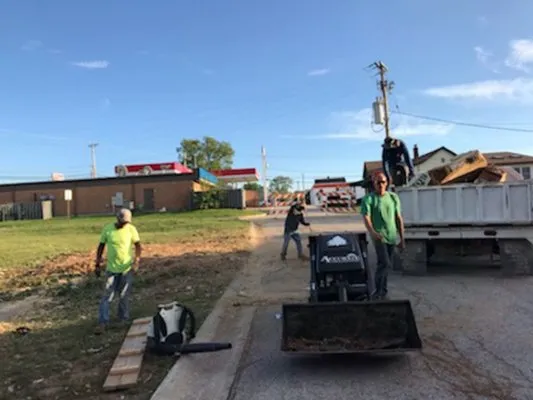
Accurate Tree and Landscaping is a family-owned business serving Ferguson and the greater St. Louis area with 28 years of dedicated experience. With roots in the community and additional locations in ...

Latham’s Lawn Care Service is a trusted, locally-owned provider in St James, MO, dedicated to solving common local landscaping challenges like sprinkler coverage gaps and patchy lawns. We offer compre...
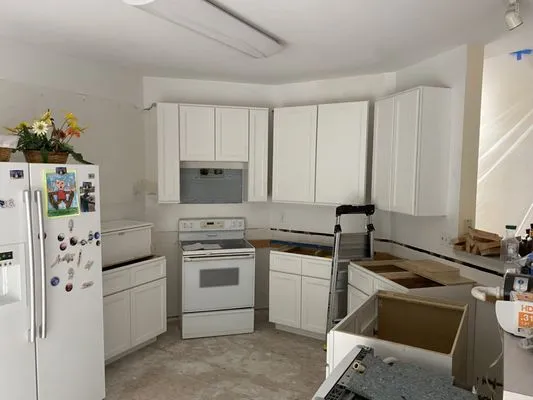
WHL Construction
WHL Construction is a trusted, locally-owned contractor serving the Hawk Point area. Guided by the principles of being Wise, Honest, and Loyal, we provide reliable home renovation and repair services....
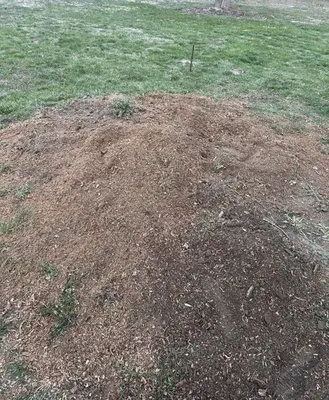
R&W Services LLC is a professional, fully insured family-owned business in Leslie, MO, specializing in tree stump removal, landscaping, and comprehensive tree care. We understand that tree stumps can ...
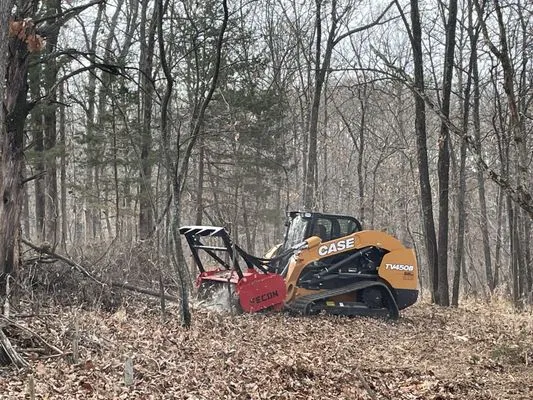
Spartan Forestry & Mulching is a family-owned company serving Hawk Point and the surrounding counties. We specialize in transforming overgrown properties into clean, usable, and beautiful spaces throu...
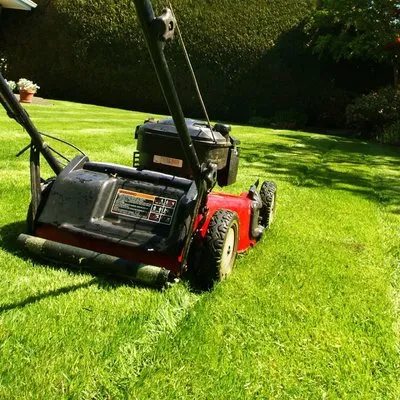
Redneck Landscaping Solutions is a full-service landscaping company serving Pacific, MO, and the surrounding communities. We provide practical, durable solutions for local homeowners facing common yar...
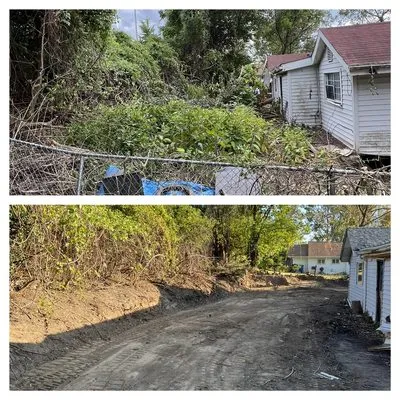
My Level Property Development
My Level Property Development is a trusted, locally-owned contractor in House Springs, MO, offering integrated services across excavation, landscaping, and HVAC. Our team of licensed and experienced p...
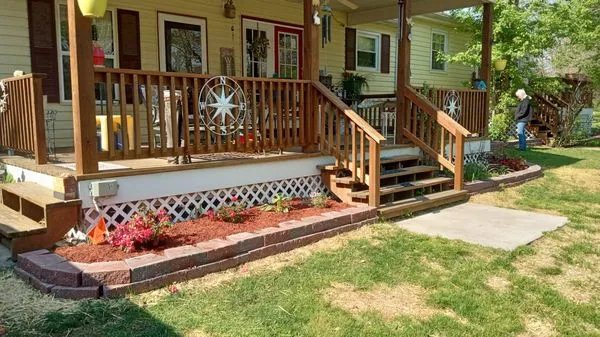
TNT Lawn Care & Landscape is a locally-owned and operated business serving Rolla and the surrounding Maries, Crawford, and Phelps County areas since 2021. Founded by a husband-and-wife team in their l...
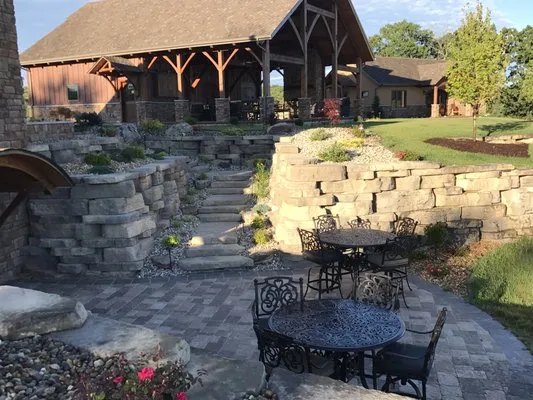
Huffman Lawn & Landscaping is a family-owned business in Saint James, with deep roots in the community. Founded by our parents in the early 1990s, I grew up in this work, starting full summers at age ...
Guinn Forestry Services
Guinn Forestry Services is your trusted Davisville partner for excavation, tree, and landscaping needs. From land clearing and grading to tree care and landscape installation, we handle projects of al...
Estimated Landscaping Service Costs in Sullivan, MO
Questions and Answers
Do we need a permit to regrade our backyard, and what kind of contractor should we hire?
Yes, significant regrading on a 0.25-acre lot typically requires a permit from the Sullivan Building & Zoning Department to ensure proper drainage and compliance with codes. This work must be performed by a contractor appropriately licensed through the Missouri Department of Agriculture for landscaping or earthwork. Hiring a licensed professional guarantees the work meets engineering standards for soil stability and water management, protecting your property value.
We're adding a patio. Are concrete pavers or wood decking better for our area?
For longevity and low maintenance in Sullivan, concrete pavers or Missouri limestone are superior to wood. They do not rot, warp, or require sealing, and their inorganic nature supports the area's Moderate Fire Wise rating by creating defensible space. Properly installed with a permeable base, these materials also address drainage concerns and will last decades with minimal upkeep.
We have a tree down from a storm and need it cleared quickly. How fast can a crew get here?
For emergency cleanup, our dispatch from the Sullivan City Hall area prioritizes I-44 access. This routing typically allows a crew to reach most Downtown Sullivan locations within the 20-30 minute window, even during peak response times. We coordinate directly with property owners to secure the site and initiate debris removal, ensuring compliance with local noise ordinance hours for equipment operation.
Our lawn seems to struggle every year. Could the age of our property be a factor?
Properties built around 1975, like many in Downtown Sullivan, have soils with over 50 years of maturation. The prevalent silt loam has likely developed significant compaction from construction and routine maintenance, restricting root growth and water infiltration. Core aeration is critical to break up this compaction and improve soil percolation. Incorporating organic compost also helps rebuild soil structure, enhancing its ability to support healthy turf and plantings.
We've spotted what looks like an invasive vine. How should we handle it?
Early identification and treatment are key to preventing invasive species from establishing. For common threats like wintercreeper or bush honeysuckle, targeted cut-stump herbicide applications in late summer or fall are effective. All treatments must follow Missouri Department of Agriculture BMP guidelines, which prohibit application on frozen ground to prevent herbicide runoff into waterways. A licensed professional can ensure safe, compliant eradication.
We want a lower-maintenance yard that's better for the environment. What do you recommend?
Transitioning high-input turf areas to a native plant community is a forward-thinking strategy. Species like Purple Coneflower, Butterfly Milkweed, and Little Bluestem are adapted to our Zone 6b climate, requiring minimal watering, no fertilizer, and infrequent mowing. This shift also reduces reliance on gas-powered blowers and mowers, aligning with evolving noise ordinances and supporting local biodiversity.
How can we keep our Tall Fescue healthy during dry spells without wasting water?
Under voluntary conservation, efficient water use is paramount. Wi-Fi ET-based weather-sensing irrigation controllers are the solution. They automatically adjust watering schedules based on real-time evapotranspiration data, soil moisture, and forecasted rain. This technology applies water only when and where your Tall Fescue needs it, preventing overwatering, reducing runoff, and keeping your lawn resilient within municipal guidelines.
Our yard holds water after heavy rain. What's causing this, and how do we fix it?
Moderate runoff is common here due to silt loam topsoil over a compacted clay subsoil, which drastically reduces permeability. Solutions begin with strategic grading and installing French drains or dry creek beds to redirect water. For new hardscapes, using permeable concrete pavers or open-joint Missouri limestone allows water to infiltrate directly, meeting Sullivan Building & Zoning Department standards for managing on-site stormwater.
