Top Landscaping Services in Strafford, MO, 65757 | Compare & Call
There are 115 landscaping companies server in Strafford MO
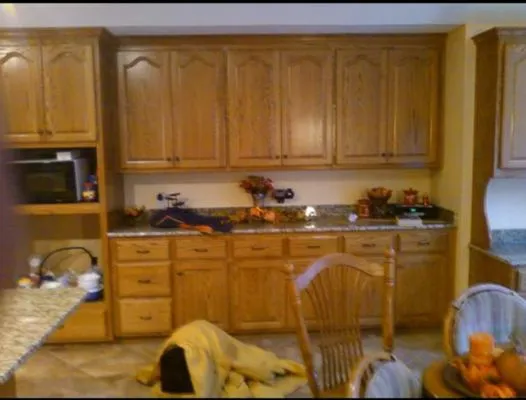
MLS Remodeling is a trusted Springfield, MO handyman and landscaping company offering comprehensive home improvement and repair services. We specialize in appliance installation and repair, including ...
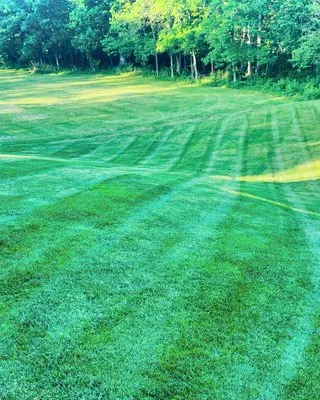
Yardvark Lawn Solutions is a trusted, locally-owned lawn care service proudly serving homeowners and businesses in Republic, MO. With over a decade of hands-on experience in the area, we understand th...
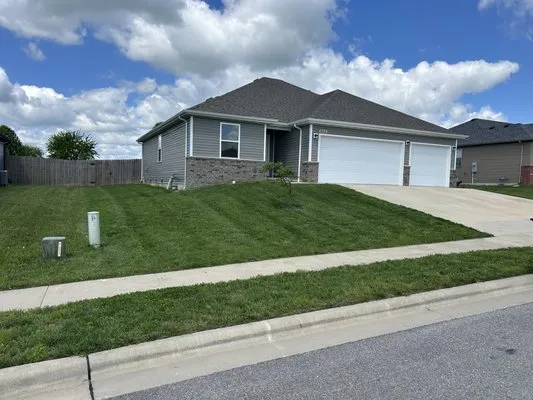
Mowraculous is a family-owned, community-rooted lawn and property care business in Republic, MO. Founded by two local dads, our work is driven by a shared passion for creating clean, healthy, and beau...
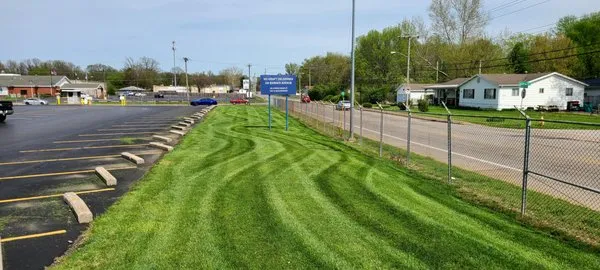
Legendary Lawns is a trusted lawn care provider serving Springfield, MO, dedicated to maintaining beautiful, healthy outdoor spaces for local homeowners. We specialize in comprehensive lawn care servi...

Grass Masters is a trusted lawn service and pressure washing company based in Rogersville, MO, dedicated to keeping local properties healthy and vibrant. We specialize in comprehensive lawn care, incl...
Muddy Brothers Lawn & Home is a local, family-operated business serving the Marshfield, MO community. We believe in honest, reliable service and clear communication, ensuring every job—from routine la...
Yarger Land Services
Yarger Land Services is a trusted, locally-owned company serving Mountain Grove, MO, and surrounding areas. We specialize in a full range of land management solutions, from excavation and demolition t...
Gardy's Lawn and Landscaping is your trusted, local landscaping partner in Saddlebrooke, MO. We specialize in creating and maintaining beautiful, functional outdoor spaces that are built to last in ou...
Affordable Mowing provides reliable lawn care services to homes and businesses in Willard, Springfield, and nearby communities. We focus on consistent, professional mowing, trimming, and maintenance u...
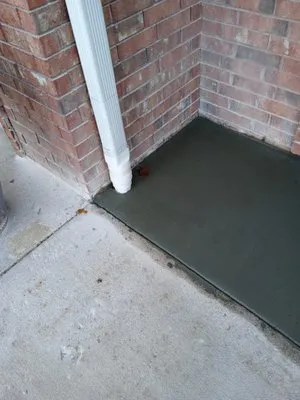
Cervi Landscaping And Outdoor Design is a full-service landscaping company serving homeowners in Springfield, MO. We specialize in solving common local landscaping challenges, such as yard erosion fro...
Estimated Landscaping Service Costs in Strafford, MO
Common Questions
What invasive species threaten Strafford landscapes, and how are they controlled?
Japanese Knotweed and Bradford Pear colonize disturbed Cherty Silt Loam, outcompeting natives like Butterfly Milkweed. Targeted glyphosate applications during dormancy avoid Missouri's fertilizer ordinance blackout dates while minimizing runoff into Karst systems. Manual removal before seed set combined with Aromatic Aster plantings creates resistant edges, though large infestations require MDA-licensed applicators for proper containment.
What drainage solutions work for Cherty Silt Loam's moderate runoff issues?
Cherty Silt Loam's 6.2-6.8 pH range creates slow percolation rates, requiring graded swales directing water away from foundations. Permeable Ozark Limestone patios meet Strafford City Hall runoff standards by allowing 40% infiltration versus impervious surfaces. French drains with gravel layers address Karst sensitivity while preventing the soil saturation that triggers sinkhole formation in this topography.
Why does my Strafford Heritage District lawn have such compacted soil that needs annual aeration?
Strafford lots built around 1993 now have 33-year-old soil profiles. Cherty Silt Loam naturally compacts over decades, reducing permeability below the 6-inch root zone. Core aeration every 2-3 years introduces oxygen channels while organic amendments like composted leaf mold improve water retention. This addresses the pH 6.2-6.8 soil's tendency to form surface crusts that inhibit Tall Fescue establishment.
How quickly can you respond to emergency storm damage for HOA compliance in Strafford?
Emergency cleanup crews dispatch from Strafford City Park via I-44, reaching most Heritage District properties within 15-20 minutes during peak response windows. This routing avoids residential bottlenecks while accommodating electric equipment noise restrictions during quiet hours. Crews prioritize safety hazards like downed limbs before addressing aesthetic violations to meet typical 48-hour HOA notice requirements.
Is Ozark Limestone or wood better for long-term hardscaping in fire-prone areas?
Ozark Limestone provides non-combustible defensible space meeting Moderate WUI Zone 2 requirements, unlike wood's 15-year degradation cycle. The stone's thermal mass moderates microclimates while its permeability reduces runoff coefficients by 30% versus concrete. Properly compacted limestone bases prevent shifting in Cherty Silt Loam, creating firebreaks that protect structures without requiring chemical treatments prohibited near Karst features.
What permits and licenses are needed for grading my 0.35-acre Strafford lot?
Strafford City Hall requires grading permits for any cut/fill exceeding 2 feet, particularly critical with Karst sinkhole sensitivity. Missouri Department of Agriculture licensing ensures contractors understand Cherty Silt Loam's compaction risks during equipment operation. On 0.35-acre parcels, improper grading can trigger drainage violations affecting adjacent properties, necessitating bonded professionals who carry erosion control insurance meeting local BMP standards.
How can I reduce maintenance while complying with noise ordinances?
Replacing high-input Tall Fescue with native Purple Coneflower and Little Bluestem eliminates weekly mowing and gas-blower use during restricted hours. These deep-rooted perennials thrive in Cherty Silt Loam without irrigation, creating pollinator corridors that exceed 2026 biodiversity benchmarks. Electric maintenance fleets operate within 10 PM-7 AM quiet periods while supporting WUI Zone 2 fire-wise compliance through reduced fuel loads.
Can I maintain Kentucky-31 Tall Fescue under Strafford's water restrictions?
Stage 0 status permits irrigation, but smart ET-based systems optimize usage by calculating evapotranspiration rates from local weather data. These controllers adjust runtime based on soil moisture sensors, applying 1-1.5 inches weekly during peak demand. This preserves turf health while staying 20% below municipal water allocation limits, crucial for Karst topography areas where overwatering exacerbates sinkhole risks.
