Top Landscaping Services in Spanish Lake, MO, 63138 | Compare & Call
There are 171 landscaping companies server in Spanish Lake MO
Adams Landscaping is a trusted local landscaping company serving Florissant, MO, and the surrounding areas. We specialize in addressing common landscaping challenges faced by homeowners in our communi...
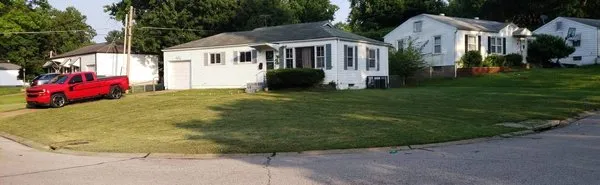
DSK Lawn Care is your trusted, local lawn and tree service provider in Hazelwood, MO. We specialize in comprehensive lawn care, tree pruning, trimming, and removal to enhance your property's health an...
All Things Made New Lawn Care is a trusted Saint Louis landscaping company dedicated to restoring order and beauty to local properties. We specialize in addressing the common challenges faced by area ...
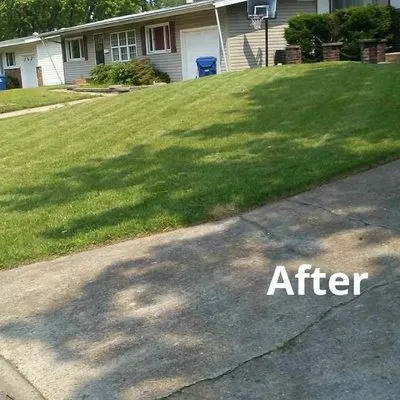
Desmond's Lawn Service is a trusted local provider in Florissant, MO, specializing in comprehensive lawn care and reliable snow removal. Many Florissant homes face common landscaping challenges like o...
Howard Family Lawncare and Landscaping
Howard Family Lawncare and Landscaping is a trusted, family-owned business serving Florissant, MO, with comprehensive lawn, snow, and tree care solutions. We understand the unique challenges local hom...
For over a decade, Saunders Lawn Care has been a trusted partner for St. Louis homeowners, providing reliable, year-round property care. We specialize in comprehensive lawn and shrub maintenance, incl...

Lean Green is a trusted local lawn and tree care company serving Florissant, MO. We specialize in addressing the specific landscaping challenges common to our community, such as storm debris cleanup a...
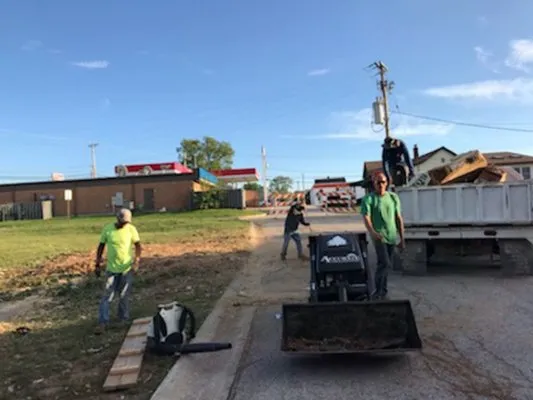
Accurate Tree and Landscaping is a family-owned business serving Ferguson and the greater St. Louis area with 28 years of dedicated experience. With roots in the community and additional locations in ...
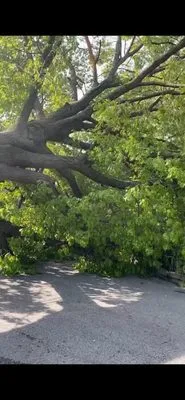
Hatcher Worx is a family-owned and operated landscaping and tree service business serving St. Louis, MO. We understand that your outdoor space is an extension of your home, and we treat it with the ca...
Hello, I'm Gary, the owner of G Drennen LLC in Florissant, MO. My mission is to bring your ideas to life, creating tangible, functional results you can see and use every day. While I have a passion fo...
Estimated Landscaping Service Costs in Spanish Lake, MO
Question Answers
Why does my Spanish Lake Estates lawn have drainage issues and compacted soil?
Spanish Lake Estates homes built around 1968 have soil that has matured for approximately 58 years. Silty clay loam in this neighborhood naturally compacts over decades, reducing permeability and creating surface ponding. Core aeration with organic amendments like composted leaf mold improves soil structure by increasing pore space for water infiltration and root development.
How do I control invasive species without violating fertilizer regulations?
Japanese stiltgrass and garlic mustard present significant invasive risks in Spanish Lake's ecosystem. Manual removal before seed set combined with targeted organic herbicides avoids phosphorus application prohibited under St. Louis County Stormwater Management Code. Timing treatments outside of blackout dates and peak mulching season in mid-April prevents nutrient runoff while protecting established native plant communities.
Are concrete pavers better than wood for Spanish Lake patios?
Concrete pavers and limestone veneer offer superior longevity compared to wood in Spanish Lake's climate, with lifespans exceeding 25 years versus wood's 10-15 year replacement cycle. These materials maintain structural integrity through freeze-thaw cycles common in USDA Zone 7a. For properties with low urban/suburban fire risk ratings, they provide non-combustible defensible space without requiring chemical fire retardants that could impact soil pH.
How quickly can you respond to an emergency tree cleanup after a storm in Spanish Lake?
Emergency storm response from Spanish Lake Park via I-270 typically requires 25-35 minutes during peak traffic conditions. Our electric maintenance fleet operates within the 7 AM to 9 PM noise ordinance window without gas-blower restrictions. This routing prioritizes HOA compliance deadlines while minimizing community disruption during cleanup operations.
Should I replace some lawn with native plants to reduce maintenance?
Transitioning high-maintenance turf areas to native plantings like Purple Coneflower, Butterfly Milkweed, and Little Bluestem creates a climate-adaptive xeriscape. These species require minimal irrigation once established and eliminate weekly mowing during April-October. This approach anticipates potential gas-blower restrictions under evolving noise ordinances while supporting 2026 biodiversity standards through pollinator habitat creation.
What solutions prevent surface ponding in Spanish Lake's clay-heavy soil?
High clay content in silty clay loam creates permeability challenges that lead to surface ponding. Installing permeable concrete pavers with gravel-set joints allows stormwater infiltration at rates exceeding St. Louis County Department of Planning requirements. French drains connected to dry wells provide additional subsurface drainage capacity for 0.35-acre lots experiencing frequent standing water after rainfall events.
What permits and licenses are needed for grading my Spanish Lake property?
Grading work on 0.35-acre lots requires St. Louis County Department of Planning permits for earth moving exceeding 50 cubic yards. The St. Louis County Department of Public Works mandates licensed professionals for drainage alterations affecting watershed patterns. This licensing ensures compliance with erosion control measures and prevents sedimentation issues in adjacent properties, particularly important given Spanish Lake's high clay content and ponding potential.
How can I maintain Tall Fescue turf while conserving water in Spanish Lake?
Wi-Fi ET-based weather sensing irrigation calculates evapotranspiration rates specific to Spanish Lake's microclimate. This technology adjusts watering schedules dynamically, applying only the moisture Tall Fescue requires during its active growth period. Under Stage 0 water restrictions, this approach typically reduces municipal water usage by 30-40% compared to traditional timer-based systems while preserving turf health.
