Top Landscaping Services in Seneca, MO, 64865 | Compare & Call


Createscapes Landscaping, led by owner Randy, has been a trusted local landscaping partner in Seneca since 2014. With a combined 23 years of experience, the team brings a personal commitment to excell...
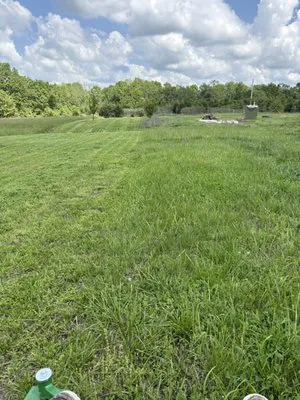
Rugged Lawn & Service is a locally owned and operated lawn care business in Seneca, MO, dedicated to providing reliable, high-quality service with a personal touch. As a local homeowner myself, I unde...
Premium Lawn & Maintenance is a trusted, locally-owned landscaping and property care company serving Seneca, MO, and the surrounding area. With over two decades of dedicated experience, we have built ...
Mikes Mowing & More is a family-owned and operated business in Seneca, MO, run by a father and son team. We specialize in landscaping and handyman services, offering reliable solutions for both reside...

Big Pine Lawns is a trusted lawn care and pressure washing service based in Seneca, MO, dedicated to helping homeowners maintain healthy, beautiful outdoor spaces. We understand that many local proper...
Lawn Salonz is a dedicated landscaping service in Seneca, MO, focused on revitalizing and maintaining local lawns. We specialize in addressing the common regional issues of dead lawn patches and storm...
Lawnscapes is Seneca's trusted local landscaping partner, dedicated to keeping your property beautiful and resilient. We understand the unique challenges Seneca homeowners face, from sudden storm debr...
Boman's Lawn Care is a trusted, locally-owned lawn and landscape company serving Seneca, MO, and the surrounding area. We specialize in comprehensive lawn care, snow removal, and tree services to help...

Martins General Contracting
Martins General Contracting is Seneca's trusted partner for lawn and tree care solutions. We understand that local homeowners face common challenges like patchy grass and damaged landscape edging, whi...
FAQs
Why does my Seneca Residential District lawn have poor drainage and compacted soil?
Properties in the Seneca Residential District, with average construction around 1971, have 55-year-old soil profiles. The silt loam soil (pH 6.2-6.8) common here has likely experienced decades of compaction from foot traffic and equipment, reducing permeability. This compaction restricts root growth and water infiltration, particularly problematic with the clay subsoil beneath. Core aeration every 1-2 years, combined with organic amendments like compost, can restore soil structure and improve drainage without altering the naturally balanced pH.
How can I maintain Tall Fescue during dry periods without violating water restrictions?
Smart Wi-Fi ET-based weather sensing irrigation systems calculate evapotranspiration rates specific to Seneca's Zone 6b climate. These systems automatically adjust watering schedules based on real-time weather data, soil moisture, and plant needs. During normal monitoring periods, they typically reduce water use by 20-30% compared to traditional timers while preserving turf health. The technology ensures Tall Fescue receives 1-1.5 inches weekly during peak season without exceeding municipal limits, with deeper, less frequent watering encouraging drought-resistant root systems.
What solutions address moderate runoff problems in my silt loam yard?
Silt loam soils in Seneca have moderate permeability that slows drainage, especially when clay subsoil becomes saturated. Installing French drains or dry creek beds with permeable Ozark limestone aggregate improves subsurface water movement. For hardscape areas, using permeable pavers with the same native stone meets Seneca City Hall Building Department runoff standards by allowing 5-8 inches per hour infiltration. Grading adjustments of 2% slope away from foundations, combined with rain gardens planted with native species, can manage typical stormwater volumes effectively.
How quickly can you respond to storm damage for HOA compliance in Seneca?
Emergency cleanup crews dispatch from Seneca City Park via US-60, reaching most Seneca Residential District properties within 20-30 minutes during peak response times. This routing avoids residential congestion while maintaining compliance with daytime-only noise ordinances. Crews prioritize safety assessments first, then debris removal using electric equipment to minimize noise. For urgent HOA compliance issues, same-day service is typically available when scheduled before 2 PM.
What permits and licenses are required for grading my 0.25-acre property?
Grading work on 0.25-acre lots in Seneca requires permits from Seneca City Hall Building Department to ensure proper drainage and erosion control. Contractors must hold Missouri Department of Agriculture licensing for landscape installation, which includes grading certification. Significant earth moving (over 50 cubic yards) may trigger additional environmental reviews. Professionals carry liability insurance covering potential damage to adjacent properties and municipal infrastructure. Always verify current license status through state databases before hiring, as unlicensed work voids most warranties and may violate local ordinances.
Is Ozark limestone better than wood for durable, fire-resistant landscaping?
Native Ozark limestone offers superior longevity and fire resistance compared to wood hardscapes. The stone withstands freeze-thaw cycles in Zone 6b without deterioration, maintaining structural integrity for decades versus wood's 10-15 year lifespan. For firewise considerations in moderate-risk areas, limestone provides non-combustible defensible space when installed with proper clearances. Its thermal mass also moderates microclimate temperatures, reducing irrigation demands on adjacent plantings. The material requires minimal maintenance and naturally complements Seneca's geological character while meeting Firewise USA Community Standards.
How should I manage invasive species without harming my garden or violating regulations?
Common invasive alerts in Seneca include Japanese honeysuckle and wintercreeper euonymus, which outcompete native vegetation. Manual removal during dormancy (late fall to early spring) prevents seed spread without chemical intervention. For persistent infestations, targeted spot treatments using EPA-approved herbicides should avoid Missouri BMP blackout dates, typically late spring through summer when runoff risks peak. Always apply according to label directions, maintaining 10-foot buffers from water features to prevent nitrogen runoff violations. Regular monitoring and early intervention prevent larger-scale problems.
What low-maintenance alternatives reduce both water use and equipment noise?
Replacing high-maintenance turf with native plantings like Purple Coneflower, Butterfly Milkweed, Little Bluestem, and Smooth Blue Aster creates resilient landscapes requiring minimal intervention. These species thrive in Seneca's Zone 6b conditions with natural rainfall once established, eliminating weekly mowing and reducing irrigation needs by 70-80%. The transition supports 2026 biodiversity standards while anticipating stricter noise ordinances limiting gas-powered equipment. Electric maintenance fleets operate quietly within decibel limits, and native plantings need only seasonal care rather than weekly attention.
