Top Landscaping Services in Salisbury, MO, 65281 | Compare & Call
There are 206 landscaping companies server in Salisbury MO
Hudson Lawnscapes is a locally owned and operated landscaping company serving Warrensburg, MO, and surrounding communities. With over 15 years of professional experience, owner Clint Hudson leads a te...
Melgar's Lawn Care is your trusted local lawn and property maintenance expert serving Sedalia, MO. We specialize in comprehensive lawn care, gutter cleaning, and pressure washing services designed to ...
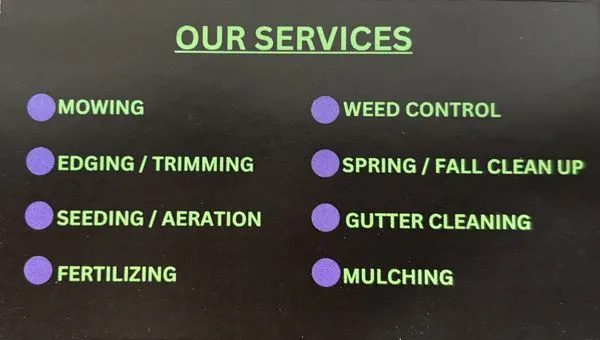
Level Change Lawn Care is a locally-owned lawn service provider in Clinton, MO, dedicated to solving common local landscaping issues. We specialize in comprehensive lawn care that directly addresses p...
Active Lawns of Mid Missouri
Active Lawns of Mid Missouri is a licensed landscaping company serving Sedalia, Warrensburg, and surrounding communities. With over a decade of experience, we provide reliable lawn care, excavation, a...
Ever since I was a child growing up in a small Missouri town, I found joy in working outdoors. Inspired by the pride a well-kept yard could bring to a community, I turned that childhood passion into W...
Riggs and Howe Indoor and Outdoor Services is a full-service construction and landscaping company serving Sedalia, MO, and the surrounding area. We specialize in creating and maintaining beautiful, fu...
Prestige Lawn & Landscaping is a family-owned business serving Warsaw, MO, and the Benton County area with a focus on lawn care, demolition, and tree services. We combine an upscale approach to lawn m...
Paul's Mowing is your trusted local Sedalia landscaping partner. We understand the specific challenges homeowners in our area face, from water pooling due to poor lawn grading to persistent weed infes...
D&N Mowing and Landscaping is a White Township, MO-based company dedicated to providing honest and reliable lawn care and pressure washing services at prices that work for single-income households. We...
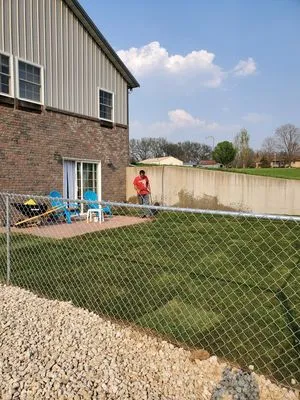
Betts Environmental is a Warsaw-based contractor specializing in custom deck construction, repair, and replacement, alongside expert fence and gate installation, painting, staining, and weatherproofin...
Estimated Landscaping Service Costs in Salisbury, MO
Common Questions
How should I handle invasive species without violating local regulations?
Common invasive species in Salisbury include Japanese knotweed and Bradford pear, which compete with native vegetation. Mechanical removal followed by targeted herbicide application during appropriate seasons effectively controls these plants. Missouri's standard fertilizer ordinance doesn't include specific municipal phosphorus bans, but proper timing avoids blackout periods. Always verify treatment schedules with current regulations to ensure compliance.
What permits and licenses are required for landscaping projects on my Salisbury property?
Grading work on 0.25-acre lots in Salisbury requires permits from Salisbury City Hall Planning Department to ensure proper drainage and erosion control. Contractors must hold appropriate licensing through the Missouri Department of Agriculture for pesticide application and certain installation work. These requirements protect property owners from substandard work and ensure projects meet municipal standards for runoff management and environmental protection.
What solutions address moderate runoff issues in my Salisbury yard?
Mexico Silt Loam with clay subsoil compaction creates moderate runoff problems common in Salisbury. Installing permeable concrete pavers or crushed limestone hardscapes increases surface permeability by 40-60%. These materials meet Salisbury City Hall Planning Department runoff standards while providing functional surfaces. Combining permeable hardscapes with French drains creates comprehensive drainage solutions for 0.25-acre properties.
How quickly can you respond to emergency storm damage cleanup in Salisbury?
Our emergency response team can typically reach Downtown Salisbury properties within 20-30 minutes during peak conditions. We dispatch from Salisbury City Park and use US Route 24 for efficient access to the neighborhood. This rapid response helps prevent further property damage and addresses immediate safety concerns while complying with standard quiet hours from 7 AM to 9 PM for equipment operation.
How can I maintain my Tall Fescue lawn while conserving water in Salisbury?
Salisbury currently operates under Stage 0 water restrictions, allowing flexibility in irrigation scheduling. Wi-Fi ET-based weather sensing systems adjust watering based on actual evapotranspiration rates, preventing overwatering. This technology maintains Tall Fescue health while reducing water consumption by 20-30% compared to traditional timers. Proper irrigation timing also minimizes runoff in Mexico Silt Loam soils common in this area.
Why does my Downtown Salisbury lawn struggle despite regular watering and fertilizing?
Properties in Downtown Salisbury built around 1967 have soil that has matured for approximately 59 years, developing Mexico Silt Loam with pH 6.2-6.8. This soil type tends to compact over decades, reducing permeability and root penetration. Core aeration combined with organic amendments like compost improves soil structure and water retention. Addressing these foundational issues is more effective than surface treatments alone for long-term lawn health.
Are concrete pavers or wood better for outdoor living spaces in Salisbury?
Concrete pavers and crushed limestone offer superior longevity compared to wood in Salisbury's climate, with lifespans exceeding 25 years versus wood's 10-15 years. These materials maintain structural integrity through freeze-thaw cycles common in USDA Zone 6a. For properties with low fire-wise ratings, non-combustible hardscapes provide defensible space advantages while requiring minimal maintenance compared to wooden structures.
What low-maintenance alternatives exist for traditional lawns in Salisbury?
Transitioning to native plantings like Purple Coneflower, Butterfly Milkweed, Little Bluestem, and Wild Bergamot reduces maintenance requirements significantly. These species thrive in USDA Zone 6a with minimal irrigation once established. Native landscapes also support local pollinators while eliminating gas-powered equipment use, aligning with evolving noise ordinance considerations for electric maintenance fleets.
