Top Landscaping Services in Saint Robert, MO, 65583 | Compare & Call


Nevills Home Solutions is your trusted, local partner for home maintenance and improvement in Saint Robert, MO. We specialize in handyman services and lawn care, providing comprehensive solutions for ...
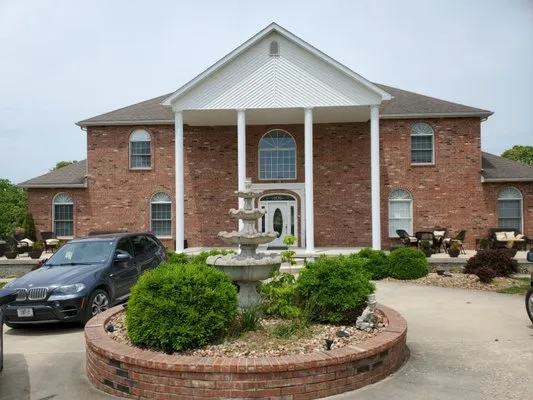
WAMC1 Lawn Care and Landscaping is a trusted local provider in Saint Robert, MO, specializing in comprehensive lawn and landscape solutions tailored to the unique challenges of the area. Many homeowne...

Living Touch Landscaping is a trusted, locally-owned landscaping company serving Saint Robert, MO, and the surrounding Fort Leonard Wood area. We understand the unique challenges local homeowners face...
Alcor Lawn & Landscaping is your local Saint Robert expert dedicated to creating and maintaining beautiful, healthy outdoor spaces. We understand that many homeowners here face common challenges like ...

Today N 2Morrow Landscaping is a trusted, full-service provider for homeowners in Saint Robert, MO, specializing in lawn care, tree care, and gutter services. We understand the local landscape challen...
Atchison Lawn Care & Tree Service
Atchison Lawn Care & Tree Service is your trusted, locally-owned partner for a healthy and beautiful property in Saint Robert, MO. We offer comprehensive lawn care, expert tree services, and professio...
Square Deal Lawn Care is your trusted local lawn care expert in Saint Robert, MO. We understand the unique challenges homeowners face in our area, including common issues like sprinkler leaks and cove...
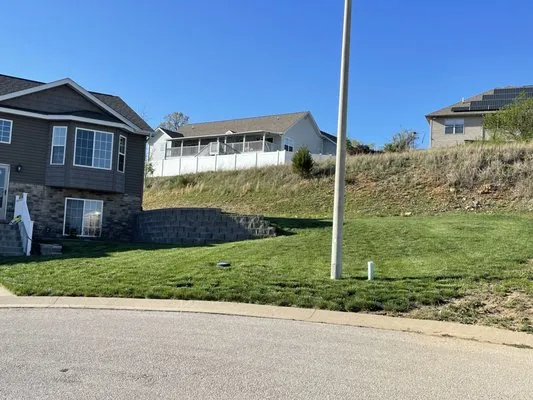
Perez Lawncare is a trusted local lawn and tree service provider in Saint Robert, MO, dedicated to helping homeowners maintain beautiful, healthy outdoor spaces. We specialize in comprehensive lawn ca...
Johnson Yard Maintenance is a new lawn care service in Saint Robert, MO, founded on principles of hard work, respect, and affordability. As a local business owner starting fresh, I prioritize building...
Q&A
Our property has standing water after heavy rains. What solutions work with Saint Robert's karst geology?
Moderate karst topography requires permeable solutions that redirect water without increasing sinkhole risk. Ozark Limestone pavers installed with 0.25-inch joints filled with angular gravel create infiltration rates of 10-15 inches per hour. This meets City of St. Robert Planning & Zoning runoff standards while preventing subsurface erosion. French drains should be avoided in areas with known sinkhole activity, as they can accelerate subsurface void formation.
Our yard seems compacted and drains poorly. Is this typical for St. Robert homes built in the 1980s?
Yes, this is characteristic of 40-year-old residential lots in the St. Robert Residential District. Clarksville Stony Loam soil naturally develops compaction layers over decades, reducing permeability to 0.5-1.5 inches per hour. Core aeration every 2-3 years is essential to break up thatch and improve oxygen exchange. Adding 0.25 inches of compost annually increases organic matter content, which enhances water retention in this pH 5.5-6.5 soil profile.
We've spotted invasive Japanese stiltgrass. How should we treat it without harming our soil?
Japanese stiltgrass requires immediate treatment before seed set in late summer. Apply selective herbicide containing fenoxaprop during active growth phases, avoiding Missouri's fertilizer ordinance blackout dates when ground is frozen. Manual removal is ineffective due to the plant's fibrous root system. Follow-up applications may be necessary for 2-3 seasons, as soil seed banks remain viable for up to five years in this USDA Zone 6b climate.
We need emergency storm cleanup to meet HOA compliance deadlines. What's your fastest response time?
Our electric maintenance fleet can dispatch from St. Robert Municipal Park within 15 minutes during peak hours. We route via I-44 to access the St. Robert Residential District, maintaining arrival within the 20-minute window specified for storm response. This timing accommodates the standard 7:00 AM noise ordinance start while utilizing equipment that operates below 65 decibels for neighborhood compliance.
How can we maintain Tall Fescue turf without violating water conservation guidelines?
Smart Wi-Fi ET-based weather sensing irrigation systems adjust watering schedules daily based on evapotranspiration rates. In Saint Robert's voluntary conservation environment, these controllers reduce water use by 30-50% compared to traditional timers. They maintain Tall Fescue's 1-1.5 inch weekly requirement while preventing runoff on moderate karst topography. Programming follows Missouri State BMP guidelines, avoiding application during peak evaporation hours.
What permits and licenses are required for regrading our 0.35-acre property?
Grading projects exceeding 100 cubic yards of soil movement require a land disturbance permit from the City of St. Robert Planning & Zoning office. Contractors must hold active licensing through the Missouri Department of Commerce & Insurance, specifically the Landscape Architect or Contractor classifications. On 0.35-acre lots, engineered drainage plans may be necessary if slope modifications exceed 10% grade. Unlicensed grading can result in fines up to $5,000 per violation under Missouri Revised Statutes Chapter 324.
Should we use Ozark Limestone or wood for our new patio in this fire-prone area?
Ozark Limestone provides superior longevity and fire resistance compared to wood alternatives. With a compressive strength of 8,000-12,000 psi, it withstands freeze-thaw cycles better than pressure-treated lumber in Missouri's climate. For properties with Moderate Wildland-Urban Interface ratings, stone hardscapes create defensible space by eliminating combustible materials within 30 feet of structures. Properly installed limestone requires minimal maintenance and won't deteriorate like wood in Saint Robert's humid summers.
What low-maintenance alternatives exist for high-water turf areas?
Transitioning to native plant communities reduces maintenance by 70% while supporting 2026 biodiversity standards. Purple Coneflower, Little Bluestem, Butterfly Milkweed, and Aromatic Aster establish deep root systems that access subsurface moisture in Clarksville Stony Loam. These species require no supplemental irrigation after establishment and eliminate weekly mowing needs. This approach aligns with evolving municipal policies restricting gas-powered equipment during extended operating hours.
