Top Landscaping Services in Saint Louis, MO, 63101 | Compare & Call

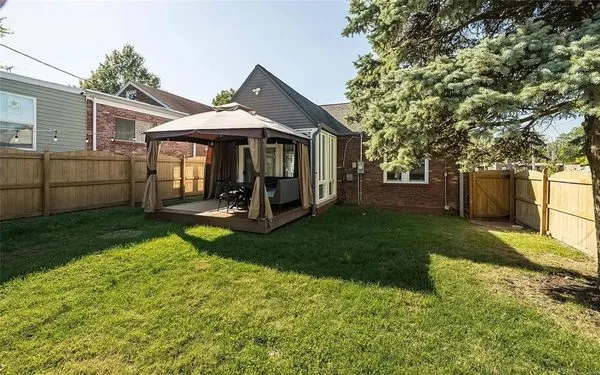
River City Landscaping in Saint Louis, MO, brings 25 years of hands-on experience to every project, specializing in landscaping, fences, and gates. Founded by Owen, the business focuses on ground-leve...
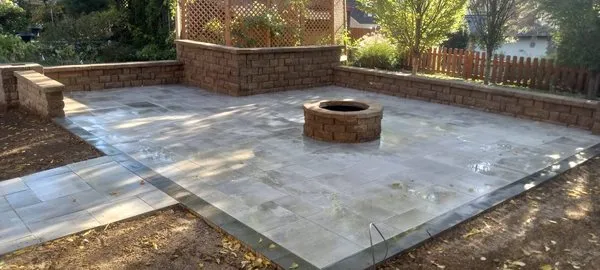
Mejias Landscaping is a full-service outdoor improvement company serving Saint Louis, MO. We provide honest, friendly, and professional solutions for landscaping, fencing, and masonry. Our team is pas...
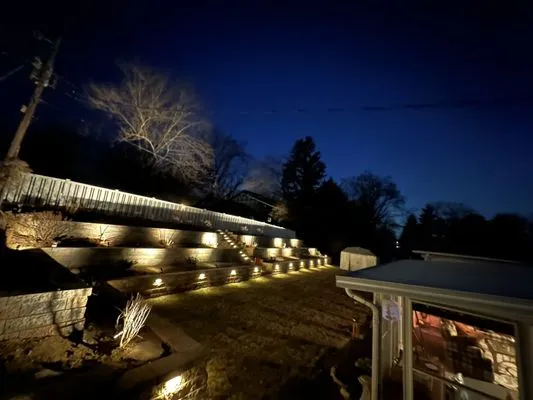
Galaxy Lawn Care & Landscape in Saint Louis, MO, is your trusted partner for transforming outdoor spaces. We blend expert masonry and concrete work with dedicated lawn services to create functional, b...
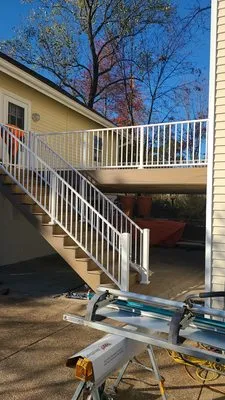
Ricoso Landscaping is a family-owned and operated landscaping company serving Saint Louis, MO, and surrounding areas since 2015. We specialize in transforming outdoor spaces with custom decks, durable...

West County Gardens Inc
Founded in 1980 and rooted in Saint Louis County, West County Gardens Inc. has grown from its original location to become a trusted, full-service provider for the entire metro area. We specialize in c...
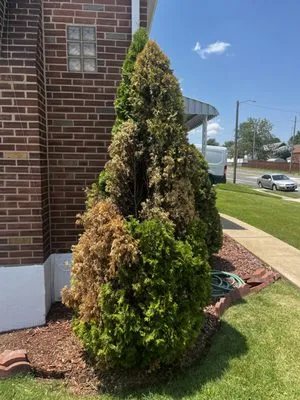
Charles Lawn Care is a trusted Saint Louis service provider specializing in junk removal, pressure washing, and comprehensive lawn care. We serve local homeowners and businesses with reliable solution...

Natural Lawn & Landscape
Natural Lawn & Landscape has been a trusted provider of lawn care and landscaping services in the Saint Louis and St. Charles areas since 2006. As a licensed company, we specialize in comprehensive so...
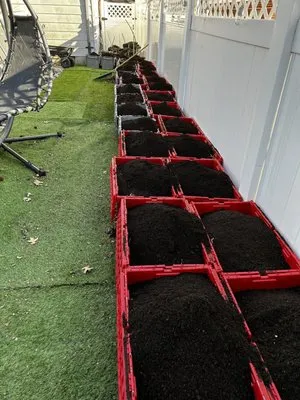
Moe's Landscaping is a full-service Saint Louis landscaping company dedicated to building and maintaining beautiful, functional outdoor spaces. We understand that local homeowners often struggle with ...
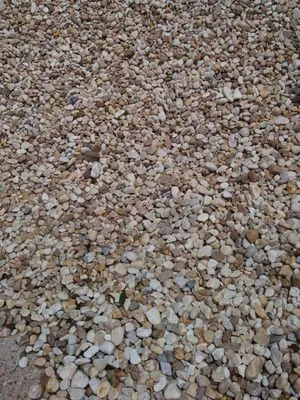
Haegele Nursery & Garden Center
Haegele Nursery & Garden Center has been a family-owned staple in South St. Louis County since 1986, providing trusted horticultural services to the community for over three decades. We serve homeowne...
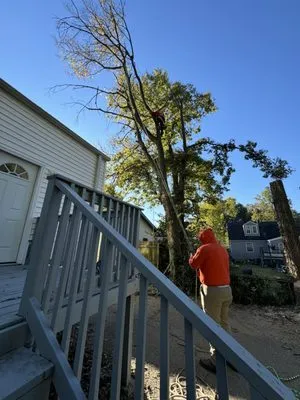
Gomez Landscaping & Tree Services
Gomez Landscaping & Tree Services is a trusted, full-service landscaping company serving Saint Louis, MO. We specialize in comprehensive solutions for both residential and commercial properties, offer...
Frequently Asked Questions
Is it wasteful to run my sprinklers when Saint Louis has no active water restrictions?
Stage 0 status means no mandates, but efficient water use remains critical for long-term turf health and resource stewardship. Modern Wi-Fi ET-based systems are the solution, automatically adjusting runtime based on real-time evapotranspiration data, rainfall, and soil moisture. This technology precisely delivers the 1-1.5 inches per week Tall Fescue needs, preventing overwatering that exacerbates our clay-heavy subsoil compaction and runoff issues.
I'm tired of weekly mowing and gas blower noise. Are there quieter, lower-maintenance options?
Transitioning high-input turf areas to a native plant community directly addresses both concerns. Species like Purple Coneflower, Little Bluestem, and Serviceberry require no mowing, minimal water once established, and support local biodiversity. This shift pre-emptively adapts to potential tightening of the city's 7 AM-9 PM noise ordinance by eliminating gas-powered maintenance. The resulting landscape provides year-round interest with a fraction of the labor and chemical inputs.
We want to regrade our sloped backyard. What permits and contractor qualifications are needed?
Altering topography on a 0.15-acre lot typically requires a grading permit from the St. Louis City Building Division to ensure changes do not adversely impact neighboring properties or stormwater systems. The contractor must also hold appropriate licensing, which for soil moving and stabilization often falls under general contractor or specialty licensing frameworks. It is prudent to verify their registration with the Missouri Department of Agriculture for pesticide application if soil treatments are involved, ensuring full compliance with local ordinances.
My yard pools water after every rain. What's a long-term fix that also looks good?
Moderate runoff in silt loam soils is often caused by surface compaction and impermeable paving. Replacing traditional concrete or asphalt with permeable clay pavers is a foundational solution. These pavers allow stormwater to infiltrate directly into the subgrade, reducing sheet flow and meeting St. Louis City Building Division's emphasis on onsite management. For severe cases, integrating a French drain system beneath the permeable surface creates a complete subsurface drainage network.
A major storm just knocked down a large limb. How quickly can a crew get here for emergency cleanup to avoid HOA fines?
For an urgent situation like storm debris, a qualified crew can typically be dispatched from a staging area near Forest Park within 30 minutes during peak hours. Using I-64 provides direct access to the Central West End, keeping the travel window within the 20-30 minute target for priority response. This ensures rapid site securing and removal of hazards to maintain compliance and safety before the next weather event.
We're adding a patio. Why choose permeable clay pavers over a traditional wood deck?
For longevity and performance in our climate, permeable clay pavers offer significant advantages. Unlike wood, which requires constant sealing and decays, fired clay is dimensionally stable, freeze-thaw resistant, and lasts decades with minimal upkeep. In this urban setting with a Low Fire Wise rating, non-combustible pavers also contribute to defensible space. Their permeability manages runoff at the source, a functional benefit that composite or wood decking cannot provide.
I've spotted what looks like Japanese Knotweed. How do I deal with invasive plants here legally?
Early identification and proper treatment are key for aggressive invasives like Knotweed or Wintercreeper. Control must align with the St. Louis City Stormwater Management Policy, which restricts phosphorus (P) in fertilizers to protect water quality. This often necessitates targeted, systemic herbicide applications by a Missouri Department of Agriculture licensed applicator, timed for plant physiology, not calendar dates. Manual removal paired with native replanting helps prevent recurrence and restores ecological function.
My Saint Louis yard just doesn't drain well, and the grass struggles. Could this be due to the age of my Central West End home?
Yes, homes built around the neighborhood's 1941 average often have legacy soil issues. After 85 years of settling, the native silt loam subsoil becomes heavily compacted, creating a dense layer that restricts root growth and water percolation. This compaction impedes drainage and oxygen flow to turf roots. The solution is not just surface feeding but deep-core aeration to fracture that pan, followed by incorporating compost to rebuild soil structure and biology.
