Top Landscaping Services in Saint John, MO, 63114 | Compare & Call
There are 195 landscaping companies server in Saint John MO

Primrose is a family-owned lawn, tree, and snow service provider dedicated to the St. Louis community. Our approach is built on personal, one-on-one attention, ensuring each property receives the cust...

Bow Man Mulching is a Saint Louis-based landscaping and tree service company dedicated to enhancing and maintaining the beauty of local properties. Specializing in landscape construction, maintenance,...
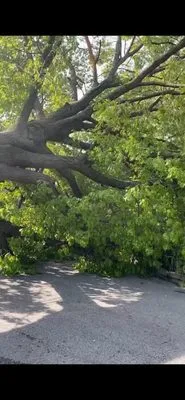
Hatcher Worx is a family-owned and operated landscaping and tree service business serving St. Louis, MO. We understand that your outdoor space is an extension of your home, and we treat it with the ca...
Artistic Tree Service and Landscaping is a trusted, locally-owned Saint Louis company specializing in comprehensive tree care and landscape solutions. We understand the common local frustrations of pa...

Serving the Valley Park community since 1992, St. Louis Composting is a locally-owned resource dedicated to turning yard and organic waste into high-quality soil products. As the region's largest comp...
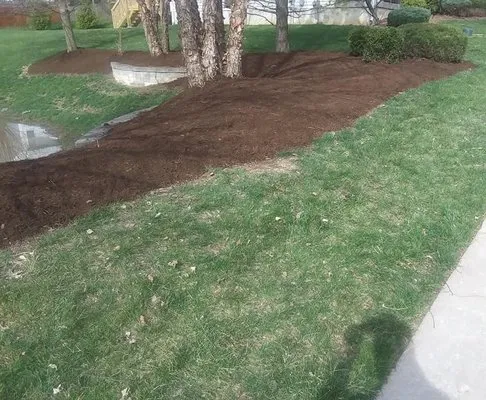
Nehls Lawn Service and Landscaping in Fenton, MO, is a locally owned and operated lawn care provider dedicated to helping homeowners maintain healthy, attractive outdoor spaces. With a focus on reliab...
Stl Elite Services is a family-owned, veteran-operated business in St. Louis, MO, founded by an Army veteran who grew up helping his parents with lawn care and landscaping. After serving in Germany, h...
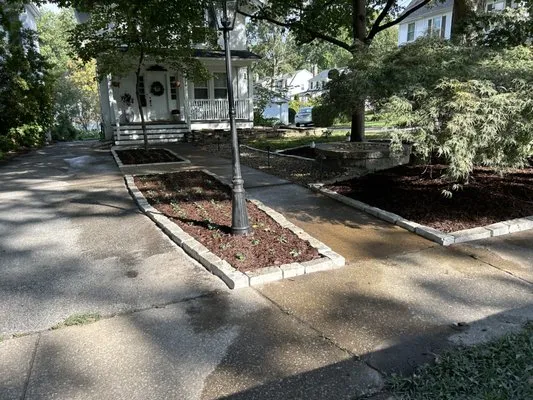
Excel Landscaping is a locally owned and operated company dedicated to serving Creve Coeur, MO, and the greater St. Louis area. We specialize in creating functional and beautiful outdoor spaces throug...
Sonnys Home Repair and Lawn Care Services is a trusted, full-service provider for Saint Louis homeowners. We combine expert handyman work with professional lawn care, tackling everything from applianc...
Founded in 2002 by lifelong St. Louis resident Ken Henry, Accel Landscaping is a family-owned and operated landscape construction company. Ken's deep experience building both commercial and residentia...
Estimated Landscaping Service Costs in Saint John, MO
Frequently Asked Questions
Should I replace some lawn with native plants to reduce maintenance?
Transitioning high-maintenance turf to Purple Coneflower, Butterfly Milkweed, Little Bluestem, and Wild Bergamot reduces mowing frequency and irrigation needs by 60-80%. These Missouri natives support local pollinators while requiring minimal inputs. Electric maintenance equipment operates quietly within noise ordinance restrictions, eliminating gas-blower emissions. This approach aligns with 2026 biodiversity standards for urban landscapes.
What permits and licenses are needed for grading my 0.22-acre lot?
Grading that alters drainage patterns or moves more than 50 cubic yards of soil requires Saint John City Building Department approval. St. Louis County Department of Planning licenses contractors for erosion control compliance on parcels under 0.5 acres. Professional licensing ensures proper silt fence installation, slope stabilization, and post-construction vegetation establishment to prevent sediment runoff into municipal systems.
Are concrete pavers better than wood for longevity in our climate?
Concrete pavers and limestone outlast wood by 3-4 times in Missouri's Zone 7a climate, resisting freeze-thaw cycles and moisture damage. These materials maintain structural integrity for 25+ years versus wood's 8-10 year lifespan. For moderate fire-wise rated areas, non-combustible hardscapes create defensible space when installed with proper clearance from structures. Their thermal mass also moderates microclimate temperatures.
How do I keep my Tall Fescue healthy during Stage 1 water restrictions?
Wi-Fi ET-based weather sensing irrigation calculates evapotranspiration rates using local weather data to apply only necessary water. This system reduces Tall Fescue watering by 20-30% compared to traditional schedules while maintaining turf health. Programming follows Saint John's voluntary conservation guidelines, with deep, infrequent watering cycles that encourage deeper root growth and drought tolerance during summer months.
Why does my St. John Heights yard have such compacted soil that struggles to drain?
Saint John's 1951 average home construction date means neighborhood soils have developed over 75 years. Silt loam with pH 6.5-7.0 naturally compacts under decades of foot traffic and equipment use, creating a dense layer that restricts root growth and water infiltration. This compaction is exacerbated by underlying clay subsoil common in the area. Core aeration with organic compost amendments improves soil structure by increasing pore space and microbial activity.
How quickly can you respond to an emergency tree cleanup for HOA compliance?
Emergency storm response from St. John City Hall via I-170 reaches St. John Heights within 20-30 minutes during peak traffic. Our electric maintenance fleet operates within standard noise ordinance hours (7 AM to 9 PM) without gasoline engine restrictions. We prioritize safety assessments before debris removal, documenting conditions for insurance and HOA requirements with time-stamped arrival confirmation.
How do I control invasive species without violating fertilizer regulations?
Japanese knotweed and wintercreeper pose significant threats in Saint John's urban interface. Manual removal during early growth stages avoids phosphorus application restrictions under St. Louis County Stormwater Management Code. For established invasions, targeted glyphosate applications in late summer follow label rates precisely. Always check county blackout dates before any treatment, typically avoiding April-May and September-October periods.
What's the best solution for moderate runoff in my silt loam yard?
Silt loam's moderate permeability combined with clay subsoil compaction creates runoff issues during heavy rains. Installing permeable concrete pavers or limestone with ¼-inch joint spacing allows 4-6 inches per hour infiltration, meeting Saint John City Building Department runoff standards. French drains should be placed 18-24 inches deep with washed gravel and landscape fabric to intercept subsurface water before it surfaces.
