Top Landscaping Services in Rolla, MO, 65401 | Compare & Call
There are 57 landscaping companies server in Rolla MO
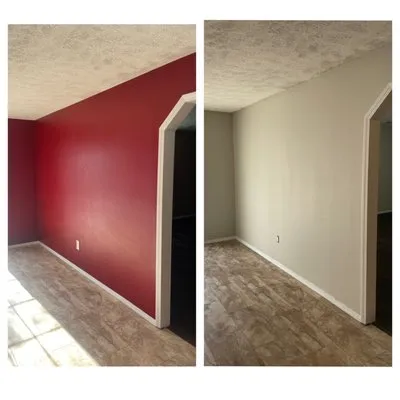
Slick Fix is your local, reliable handyman service in Waynesville, MO, owned and operated by a dedicated veteran with over nine years of hands-on experience. Rooted in a strong work ethic from militar...
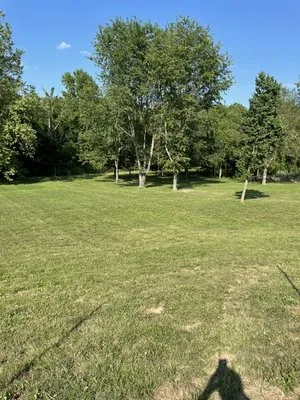
J&J Disaster Services is a trusted, locally-owned provider of essential outdoor maintenance for Laquey, MO, and the surrounding areas. We specialize in tree services, lawn care, and snow removal, offe...
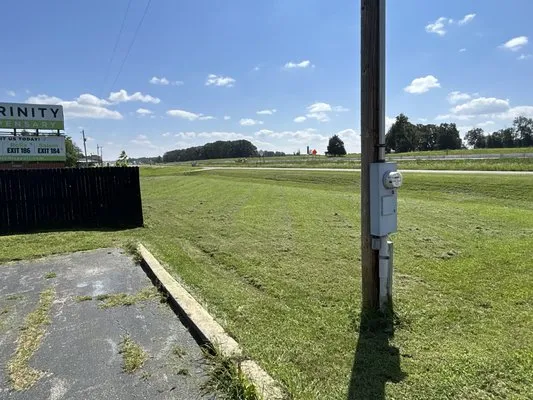
Ash's Lawn Care is a trusted local lawn service provider serving Vienna, MO, and the surrounding communities. We specialize in comprehensive lawn care solutions designed to address common local landsc...
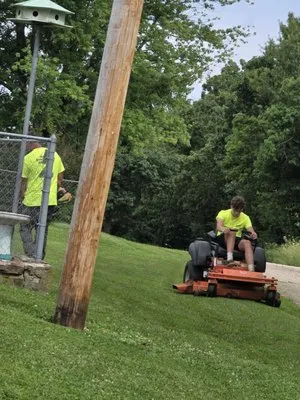
Kevin's Mowing in Dixon, MO, is a locally owned and operated lawn care service built on reliability, transparency, and quality. With over 20 years of experience working with the military, Kevin brings...
Sealstripe Coatings is a trusted local business in Salem, MO, specializing in comprehensive property enhancement and maintenance. We combine expertise in painting, staining, and concrete work with spe...
A2Z Contracting is your trusted local partner in Sullivan, MO, offering comprehensive solutions for home and property maintenance. As experienced general contractors, we specialize in drywall repair, ...
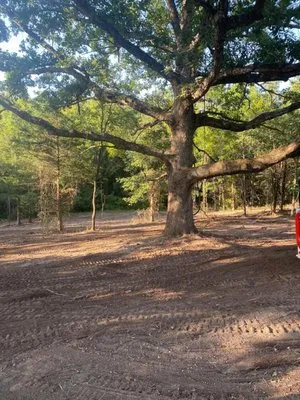
Yarger Land Services
Yarger Land Services is a trusted, locally-owned company serving Mountain Grove, MO, and surrounding areas. We specialize in a full range of land management solutions, from excavation and demolition t...
Estimated Landscaping Service Costs in Rolla, MO
Q&A
What solutions exist for yards with excessive subsurface drainage?
Clarksville Cherty Silt Loam's high permeability creates rapid subsurface drainage that can undermine foundations and hardscapes. Installing French drains with clean gravel and geotextile fabric redirects water while maintaining soil stability. Using permeable Missouri Limestone pavers for patios and walkways meets Rolla Community Development Department runoff standards by allowing 40-50% infiltration. These systems work with the soil's natural characteristics rather than against them, preventing erosion on sloped Fairgrounds Residential properties.
What permits and licenses are required for landscape grading projects?
Grading work on 0.22-acre lots in Rolla requires permits from the Community Development Department for any cut/fill exceeding 12 inches or affecting drainage patterns. Contractors must hold Missouri Division of Professional Registration landscaping licenses for projects involving structural changes or irrigation system installation. The permit process evaluates soil stability on Clarksville Cherty Silt Loam slopes and ensures compliance with erosion control standards. Unlicensed grading can result in fines and mandatory restoration, particularly in areas with the soil's rapid subsurface drainage characteristics.
What are low-maintenance alternatives to traditional turf grass?
Transitioning sections of lawn to native plantings like Purple Coneflower, Little Bluestem, and Butterfly Milkweed reduces maintenance by 60-70% compared to weekly mowing schedules. These deep-rooted species thrive in Rolla's Zone 6b climate without supplemental irrigation once established. Electric maintenance equipment for these plantings operates quietly within noise ordinance hours while eliminating gas emissions. Aromatic Aster and Wild Bergamot provide seasonal interest while supporting local pollinator populations year-round.
How do smart irrigation systems work with Rolla's voluntary water conservation?
Wi-Fi ET-based weather sensing irrigation calculates evapotranspiration rates specific to Rolla's USDA Zone 6b climate, adjusting schedules automatically. This technology reduces water application by 20-30% compared to traditional timers while maintaining Kentucky Bluegrass and Tall Fescue health. Systems integrate soil moisture sensors that account for Clarksville Cherty Silt Loam's rapid drainage, preventing overwatering during normal restriction periods. Programming follows Missouri Department of Natural Resources nutrient management guidelines to avoid runoff.
Why does my Fairgrounds Residential lawn have drainage issues and poor soil quality?
Homes built around 1985 in Rolla's Fairgrounds Residential neighborhood have soil that has matured for approximately 41 years. Clarksville Cherty Silt Loam with pH 5.5-6.5 naturally develops compaction layers over decades, reducing water infiltration despite high permeability. Core aeration every 2-3 years combined with organic amendments like composted leaf litter addresses this compaction while maintaining soil structure. This approach improves root penetration for Kentucky Bluegrass and Tall Fescue blends common in these 0.22-acre lots.
How should I treat invasive species without violating local regulations?
Japanese honeysuckle and wintercreeper present significant invasive risks in Rolla's woodlands and residential areas. Manual removal during dormancy followed by targeted glyphosate applications to cut stems prevents regrowth without soil disturbance. Treatments avoid Missouri Department of Natural Resources nutrient management blackout dates typically in spring runoff periods. For Clarksville Cherty Silt Loam, spot treatments prevent chemical migration through the soil's high permeability while protecting nearby natives like Wild Bergamot.
How quickly can you respond to emergency storm damage for HOA compliance?
Emergency cleanup crews dispatch from Schuman Park maintenance facilities, taking I-44 eastbound to reach Fairgrounds Residential within 15-20 minutes during peak response windows. This routing avoids residential congestion while allowing transport of electric chippers and sweepers that comply with Rolla's 10:00 PM to 7:00 AM quiet hours. Crews prioritize safety assessments before debris removal, particularly for properties with mature trees near structures in this moderate Fire Wise rating zone.
Why choose limestone over wood for patios in wildfire-prone areas?
Missouri Limestone pavers provide non-combustible defensible space crucial for properties with moderate Fire Wise ratings in wildland-urban interface zones. Unlike wood decking that requires replacement every 10-15 years, limestone installations last 40+ years with minimal maintenance. The material's thermal mass moderates temperature extremes while its natural permeability reduces runoff. For Fairgrounds Residential lots near wooded areas, limestone creates fire-resistant zones that comply with defensible space recommendations without sacrificing aesthetic appeal.
