Top Landscaping Services in Raymore, MO, 64083 | Compare & Call
There are 145 landscaping companies server in Raymore MO
RC Lawn Care is a trusted lawn service provider based in Raymore, MO, dedicated to helping homeowners maintain healthy, vibrant lawns. We specialize in comprehensive lawn care solutions that address c...
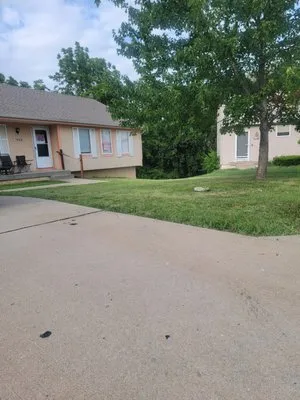
Above Expectations is a trusted tree and lawn service provider in Lee's Summit, MO, dedicated to helping homeowners maintain healthy, beautiful outdoor spaces. We specialize in comprehensive tree care...
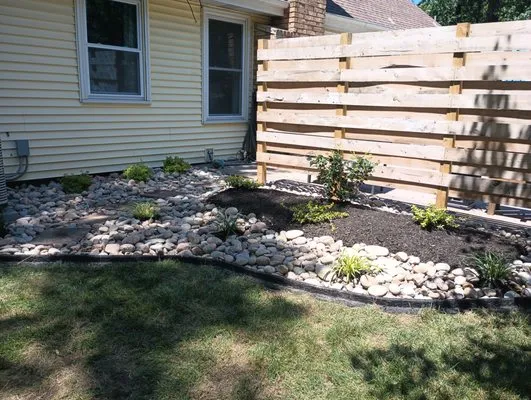
Teal's Lawn Service is a trusted Harrisonville, MO landscaping and tree care provider dedicated to solving common local yard challenges. Many homeowners in our area struggle with yard erosion and dyin...
Green Pasture Enterprises is your trusted, local landscaping partner in Raymore, MO. We specialize in helping homeowners maintain beautiful, healthy, and functional outdoor spaces. We understand the s...

For over 20 years, Marshall's Lawn Service has been the trusted choice for comprehensive lawn and tree care in Pleasant Hill, MO. We focus on delivering tailored services for both residential and comm...
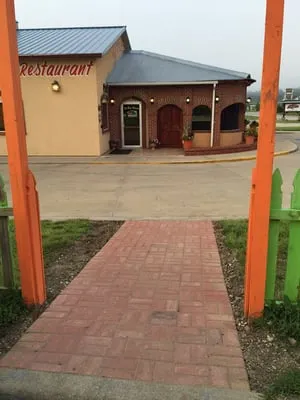
Beachner Lawn Care is a trusted landscaping provider serving Harrisonville, MO, and the surrounding areas. We specialize in diagnosing and treating common local lawn problems, including dead lawn area...
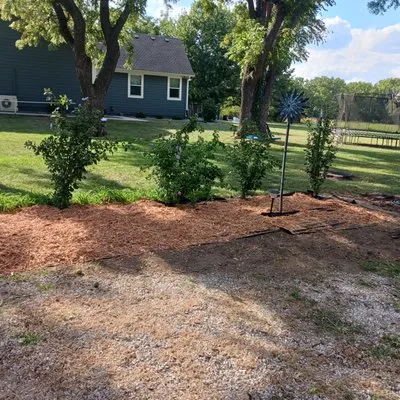
Celtic Pride Handyman Service is your trusted, local solution for comprehensive home and landscape projects in Harrisonville, MO. We expertly blend skilled handyman work with professional landscaping ...
LMD Solutions is a trusted, owner-operated landscaping and hardscaping business serving Pleasant Hill and the Greater Kansas City area. With over 20 years of dedicated experience, we specialize in tra...
Kohler Lawn & Outdoor is a locally owned and operated full-service lawn and landscape company serving Pleasant Hill, MO, since 1992. We specialize in creating complete outdoor living spaces that feel ...
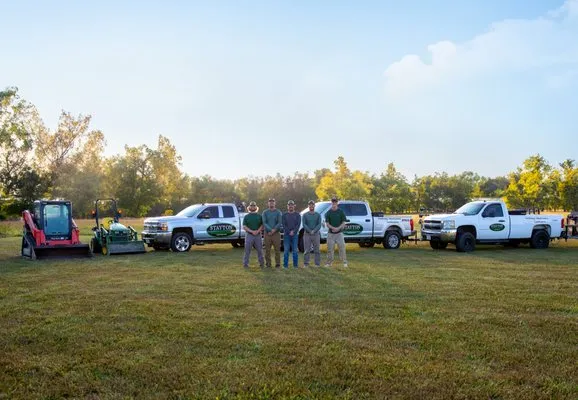
Stayton Lawn and Landscape is a locally-owned and operated company serving Pleasant Hill, Lee's Summit, Blue Springs, and surrounding areas. With over eight years of experience, we specialize in compr...
Estimated Landscaping Service Costs in Raymore, MO
Q&A
Why does water pool in my yard after moderate rainfall?
Silt loam soils in Raymore exhibit slow permeability due to underlying clay compaction, creating drainage challenges. Surface water accumulates because the soil cannot absorb precipitation quickly enough. Installing permeable crushed limestone pathways and patios increases infiltration rates. These hardscape solutions meet Raymore Development Services runoff standards while directing water away from foundations. French drains or dry creek beds may be necessary for severe cases.
Is crushed limestone better than wood mulch for pathways?
Crushed limestone offers superior longevity and fire resistance compared to organic mulches. In Raymore's low Fire Wise rating urban interface, this material creates defensible space without combustible organic matter. Limestone pathways maintain permeability for water infiltration while providing stable footing. Unlike wood mulch that requires annual replacement, properly installed limestone hardscapes last 10-15 years with minimal maintenance. The light color also reduces heat absorption during summer months.
What permits are needed for regrading my 0.28-acre property?
Significant grading work on a 0.28-acre lot typically requires permits from Raymore Development Services. Missouri Department of Agriculture licensing ensures contractors understand erosion control and soil management regulations. Professional licensing becomes particularly important when altering drainage patterns or moving more than 50 cubic yards of material. Unpermitted grading can violate municipal codes and create liability issues if changes affect neighboring properties or stormwater systems.
How quickly can you respond to an emergency tree cleanup after a storm?
Emergency storm response typically requires 25-35 minutes during peak conditions. Our dispatch routes from the Raymore Activity Center via I-49, allowing efficient access to Centerview and surrounding neighborhoods. We maintain electric-powered equipment that operates within Raymore's 7:00 AM to 9:00 PM noise ordinance restrictions. This combination of strategic routing and compliant equipment enables rapid HOA compliance and safety hazard mitigation.
Why does my Centerview lawn struggle despite regular watering and fertilizing?
Raymore's Centerview neighborhood features homes built around 1999, giving soils approximately 27 years of development. Silt loam soil with pH 6.5-7.2 becomes compacted over time, particularly in newer subdivisions where construction equipment compressed the clay subsoil. This compaction reduces soil percolation and oxygen availability to roots. Core aeration every 1-2 years combined with organic amendments like composted leaf mold can restore soil structure and microbial activity.
What alternatives exist for high-maintenance turf areas?
Transitioning to native plantings reduces maintenance while supporting local ecology. Purple Coneflower, Butterfly Milkweed, Little Bluestem, Wild Bergamot, and Aromatic Aster thrive in Zone 6b conditions with minimal irrigation. These species provide habitat for pollinators and require no gas-powered blowers, aligning with evolving noise ordinances. Native landscapes typically use 50-75% less water than traditional turf while offering seasonal interest and biodiversity benefits.
Should I water my Tall Fescue lawn daily during summer heat?
No, daily watering promotes shallow root systems and wastes water. Raymore currently operates under Stage 0 water restrictions, but efficient practices remain essential. Wi-Fi ET-based weather sensing irrigation systems calculate evapotranspiration rates to deliver precise water amounts. This technology typically reduces water use 20-30% while maintaining Tall Fescue health. Deep, infrequent watering encourages drought-tolerant root development and aligns with municipal conservation goals.
How should I handle invasive species without harming my lawn?
Identify invasive plants like Japanese knotweed or wintercreeper early for effective management. Manual removal works for small infestations, while targeted herbicide applications may be necessary for established problems. Always follow Missouri Department of Agriculture guidelines and avoid phosphorus-containing products on established turf per state nutrient management regulations. Time treatments to avoid blackout dates and consider soil temperature rather than calendar dates for optimal effectiveness.
