Top Landscaping Services in Potosi, MO, 63660 | Compare & Call

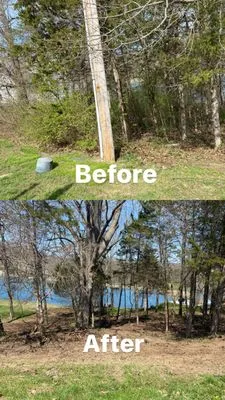
Anderson Acres Hardscape is a Potosi-based landscaping and excavation specialist serving Washington County and surrounding areas. With expertise spanning soil backfilling, excavation, retaining walls,...
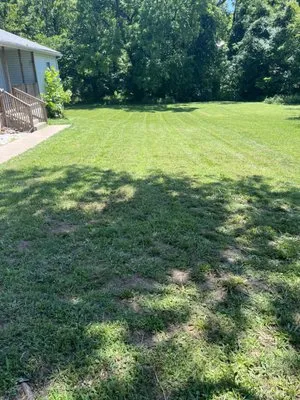
Miller's LawnCare is your trusted, local solution for a healthier, more beautiful property in Potosi, MO. We understand the specific challenges homeowners face here, like stubborn moss growth and dama...
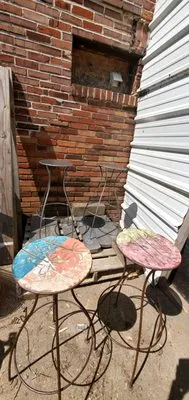
Handy Cains is a family-owned and operated business in Potosi, MO, founded by a local mother of two with over 33 years of experience. We created this company to connect skilled workers with homeowners...

LCX Contracting is a professional excavating contractor serving Potosi and the surrounding area. We pride ourselves on completing every job correctly from the start, working closely with our customers...

Paradise Pools and Landscaping
Paradise Pools and Landscaping is your trusted local partner for creating and maintaining beautiful outdoor spaces in Potosi, MO. We specialize in custom landscape design that addresses common regiona...
Q&A
How quickly can you respond to an emergency tree cleanup after a storm in my neighborhood?
For emergency cleanup or HOA compliance issues in the Downtown Historic District, our standard service response is 15-20 minutes. We dispatch from near the Washington County Courthouse and travel via Missouri Route 8 to reach most properties efficiently. Our electric maintenance fleet operates quietly within municipal quiet hours (7 AM to 9 PM), allowing for early morning response without noise ordinance violations.
What permits and licenses are needed for regrading my quarter-acre lot?
Grading work on a 0.25-acre property requires a permit from both Potosi City Clerk and Washington County Planning & Zoning if altering drainage patterns or moving more than 50 cubic yards of soil. Contractors must hold appropriate licensing through the Missouri Department of Agriculture, which verifies competency in erosion control and stormwater management. Unlicensed grading can violate municipal codes and create liability for downstream runoff damage, especially in areas with clay-heavy subsoil.
What low-maintenance alternatives exist for my high-water-use lawn?
Replacing turf areas with native plantings like Purple Coneflower, Butterfly Milkweed, Little Bluestem, and Eastern Redbud reduces maintenance by 60-80%. These species thrive in USDA Zone 6b with minimal irrigation once established. This transition supports 2026 biodiversity standards while eliminating gas-powered equipment use ahead of potential noise ordinance tightening. Native plant communities also provide habitat for pollinators and require no chemical inputs beyond initial soil preparation.
Is Ozark limestone or wood better for patio construction in our climate?
Ozark limestone offers superior longevity with minimal maintenance compared to wood in USDA Zone 6b. Its natural thermal mass moderates temperature extremes, and it requires no sealing or replacement. For fire safety, limestone hardscaping creates defensible space that meets Moderate Firewise USA Community Standards by providing non-combustible zones around structures. Properly installed limestone patios can last 50+ years versus 10-15 years for pressure-treated wood in Potosi's freeze-thaw cycles.
How can I maintain my Tall Fescue lawn during dry periods without violating water restrictions?
Wi-Fi ET-based weather sensing irrigation systems calculate evapotranspiration rates to deliver precise water amounts. This technology preserves Tall Fescue health while staying within municipal water limits, even though Potosi currently has no formal restrictions. These systems adjust automatically for rainfall and temperature changes, typically reducing water usage by 20-30% compared to traditional timers while maintaining optimal soil moisture for your grass type.
Why does my yard in the Downtown Historic District have such poor drainage and compacted soil?
Properties built around 1963 in Potosi's historic neighborhoods have soil that has matured for approximately 63 years. Acidic silt loam with a pH of 5.8-6.2 naturally compacts over decades, especially with clay-heavy subsoil common in this area. This reduces permeability and creates moderate runoff issues. Core aeration combined with organic amendments like composted leaf mold can improve soil structure and water infiltration without drastically altering pH levels.
What solutions exist for yard flooding caused by our clay-heavy subsoil?
Moderate runoff in acidic silt loam soils requires permeability improvements. Installing French drains with gravel channels redirects subsurface water, while permeable Ozark limestone hardscaping allows surface water infiltration. These approaches meet Potosi City Clerk and Washington County Planning & Zoning runoff standards. For severe cases, regrading with 2% slope away from structures creates positive drainage while preserving existing tree root zones.
How do I control invasive species without breaking fertilizer regulations?
Missouri's BMP guidelines prohibit restricted phosphorus application but allow targeted herbicide use for invasive species like Japanese knotweed or bush honeysuckle. Manual removal followed by native plant establishment creates competitive exclusion. Treatment timing avoids blackout dates by focusing on early growing season when plants are most vulnerable. Always verify current regulations with the Missouri Department of Agriculture, as some municipalities add local restrictions beyond state guidelines.
