Top Landscaping Services in Pleasant Hill, MO, 64034 | Compare & Call
There are 189 landscaping companies server in Pleasant Hill MO

WoobiesLawn is a veteran-owned lawn care and pressure washing service in Pleasant Hill, MO, founded by a Missouri native with deep local roots and military experience. The owner discovered a passion f...

Labor-Less is a family-oriented, professional landscaping and tree service company based in Pleasant Hill, MO, built on the principle of treating every customer like family. We provide fair pricing fo...

Top Notch Lawn and Tree Service is a professional lawn care provider serving Pleasant Hill, MO, and the Kansas City Metro area. We specialize in lawn care services, focusing on quality craftsmanship a...
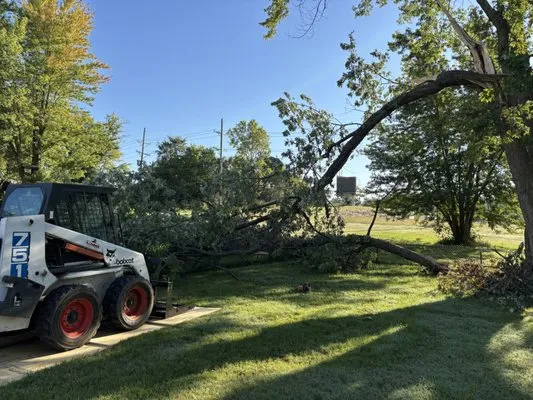
Riffle in Pleasant Hill, MO is a locally owned and operated landscaping company that has been proudly serving the community since 2020. Licensed and insured, we specialize in tree services, landscapin...
West Lawn & Landscape is a trusted local contractor in Pleasant Hill, MO, specializing in landscaping, masonry/concrete, and excavation services. We help homeowners tackle common local challenges like...

NateDog Services began in Pleasant Hill when a friend needed help mowing their lawn. That simple act of neighborly assistance grew into a trusted local business dedicated to quality work. We take prid...
Integrity Lawn, Landscape & Tree
Integrity Lawn, Landscape & Tree is a Pleasant Hill, MO-based company providing comprehensive outdoor care services including landscaping, masonry/concrete work, and tree services. With deep roots in ...
Home And Lawn Maintenance Crew is your trusted local handyman and landscaping team serving Pleasant Hill, MO. We specialize in comprehensive home maintenance and lawn care solutions designed to addres...
Skivers Quality Lawn Care is your trusted, locally-owned partner for year-round property care in Pleasant Hill, MO. We understand the specific challenges homeowners face, from sprinkler leaks and stor...
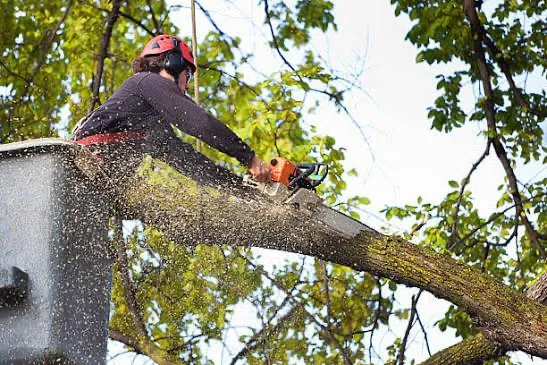
Losh Landscaping & Tree Service is a trusted, locally-owned provider in Harrisonville, MO, specializing in comprehensive tree care and landscape maintenance. We help homeowners and businesses maintain...
Estimated Landscaping Service Costs in Pleasant Hill, MO
Common Questions
Should we choose concrete pavers or wood for new patio construction in our fire-prone area?
Concrete pavers and native limestone provide non-combustible surfaces that meet Moderate Firewise community standards for defensible space. Unlike wood decking that requires annual sealing and presents ember ignition risks, stone materials maintain integrity for 25+ years with minimal maintenance. For slopes or transition zones, gravel beds between pavers create additional firebreaks while allowing native groundcover establishment at edges.
Our Pleasant Hill Historic District home was built in 1993—what does that mean for our soil health?
With 33 years of soil development since construction, your silt loam soil has likely become compacted from foot traffic and equipment. This silt loam (pH 6.5-7.0) retains moisture well but suffers from reduced permeability in the Historic District's established landscapes. Core aeration every 2-3 years improves oxygen exchange, while adding 1-2 inches of composted organic matter annually addresses nutrient depletion without altering pH balance.
What native plants could replace high-maintenance turf as noise ordinances potentially restrict gas equipment?
Transitioning to Purple Coneflower, Butterfly Milkweed, and Little Bluestem creates a low-input landscape requiring only annual cutting with electric trimmers. These Missouri natives establish deep root systems that access subsoil moisture, reducing irrigation needs by 60-70%. Wild Bergamot and Switchgrass provide year-round structure while supporting local pollinators—a strategic adaptation ahead of potential gas-blower restrictions in residential zones.
What permits and licensing are required for regrading our 0.25-acre lot in Pleasant Hill?
Any grading altering drainage patterns or moving more than 50 cubic yards of soil requires a City Planning & Zoning permit with engineered drainage plans. Contractors must hold Missouri Department of Agriculture licensing for landscape installation exceeding $5,000 in value. On quarter-acre lots, even modest regrading can impact neighboring properties' water flow, necessitating certified professionals who carry erosion control bonding specific to silt loam's runoff characteristics.
Our yard experiences seasonal clay saturation and moderate runoff—what solutions work with Pleasant Hill's regulations?
Silt loam's moderate permeability requires graded swales or French drains to redirect seasonal saturation away from foundations. Replacing impermeable surfaces with permeable concrete pavers or native limestone meets City Planning & Zoning runoff standards by allowing 4-8 inches per hour infiltration. For severe cases, dry creek beds using local stone provide aesthetic drainage channels that handle clay's slow percolation during spring thaws.
We need emergency storm cleanup to meet HOA compliance deadlines—how quickly can you respond?
Our electric maintenance fleet can dispatch from Pleasant Hill City Park within 20-30 minutes via MO-7, avoiding peak traffic patterns. This response time accommodates same-day debris removal for fallen branches or post-storm turf damage. We prioritize Historic District properties with documented HOA violation timelines, using battery-powered equipment that complies with general noise limits during extended cleanup windows.
What invasive species threaten Pleasant Hill gardens, and how do we treat them safely?
Japanese knotweed and wintercreeper euonymus present the highest risks in Zone 6b, exploiting disturbed silt loam soils. Manual removal before seed set combined with targeted glyphosate applications during active growth phases manages infestations. Always follow Missouri Department of Agriculture BMPs by avoiding treatments before forecasted rain to prevent runoff into storm drains—particularly crucial in areas with moderate Firewise ratings where fuel reduction takes priority.
How do we maintain Tall Fescue during Missouri summers without violating water conservation guidelines?
Smart Wi-Fi ET-based controllers calculate evapotranspiration rates specific to Pleasant Hill's microclimate, adjusting irrigation to match actual plant needs. These systems reduce water use 20-30% compared to traditional timers while keeping Tall Fescue viable during drought stress. Under voluntary conservation status, programming deep, infrequent watering at dawn maximizes absorption and minimizes evaporation loss through silt loam's capillary action.
