Top Landscaping Services in Park Hills, MO, 63601 | Compare & Call
There are 79 landscaping companies server in Park Hills MO

Ozark Lawns is a trusted lawn care provider serving Farmington, MO, and the surrounding areas. We specialize in comprehensive lawn care services designed to address common local landscaping challenges...
Koehn's Lawn Care & Landscaping
Koehn's Lawn Care & Landscaping is a trusted, locally-owned service provider in Farmington, MO, specializing in comprehensive lawn care, snow removal, and masonry/concrete work. We understand the uniq...
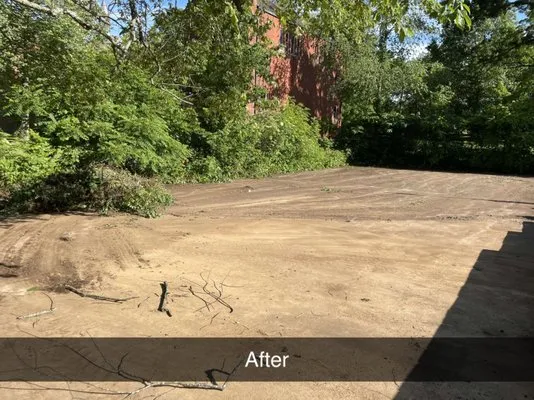
Cutting Edge is a locally owned and operated lawn and tree service company in Ironton, MO. We're a dedicated team of friends committed to providing honest, hard work for our neighbors. Whether it's ro...
Happy-Jack’s Handyman Services
Happy-Jack's Handyman Services is a locally owned and operated contractor serving Farmington, MO, and the surrounding area. We are a licensed and insured team of professionals offering a comprehensive...
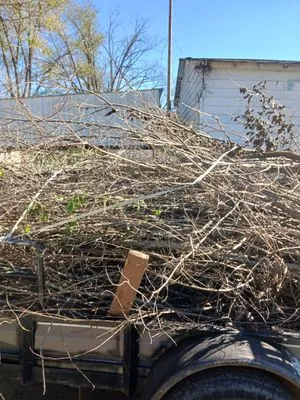
Country Way Nursery in Parkhills, MO, specializes in creating and maintaining beautiful, healthy lawns for homeowners throughout the region. Our core services focus on establishing totally new lawns a...
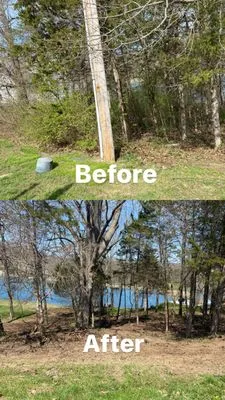
Anderson Acres Hardscape is a Potosi-based landscaping and excavation specialist serving Washington County and surrounding areas. With expertise spanning soil backfilling, excavation, retaining walls,...
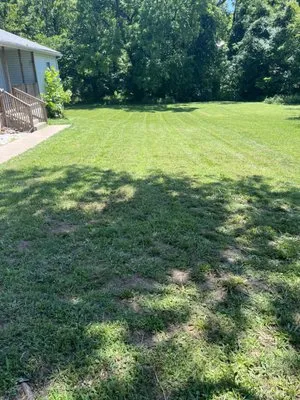
Miller's LawnCare is your trusted, local solution for a healthier, more beautiful property in Potosi, MO. We understand the specific challenges homeowners face here, like stubborn moss growth and dama...
J&S Construction and Lawn Care is a French Village, MO-based company specializing in comprehensive landscaping and pressure washing services. With expertise in irrigation repair, landscape constructio...

Handy Cains is a family-owned and operated business in Potosi, MO, founded by a local mother of two with over 33 years of experience. We created this company to connect skilled workers with homeowners...
Vancil Cleaning and Property Preservation
Vancil Cleaning and Property Preservation is a veteran family-owned business serving Cadet, MO, and surrounding Washington County areas. We specialize in comprehensive property maintenance, offering c...
Estimated Landscaping Service Costs in Park Hills, MO
Question Answers
Do I need a permit to regrade my backyard, and what should I look for in a contractor?
Significant grading on a 0.35-acre lot typically requires a permit from the Park Hills Building Department to ensure proper drainage and erosion control. More critically, the contractor must hold appropriate licensing through the Missouri Department of Agriculture for landscaping and earthwork. This licensing ensures they carry required insurance and adhere to state standards for environmental protection and professional practice.
Is crushed limestone a better choice than wood for a new patio or fire pit area?
For longevity and fire safety, crushed limestone is superior. It is a non-combustible material that creates a stable, permeable surface, unlike wood which decays and burns. In areas with a Moderate Firewise USA rating, using stone for a defensible space around structures is a recommended practice. Crushed limestone also integrates naturally with the local geology and requires no chemical treatments.
What are the biggest weed threats in our area, and how do I deal with them safely?
Invasive species like Japanese knotweed and callery pear are significant alerts for Park Hills. Manual removal and targeted, systemic herbicides applied by licensed professionals are most effective. Treatments must be timed outside of Missouri's standard fertilizer ordinance blackout dates to prevent runoff. Promoting dense native plantings is the best long-term defense by outcompeting invaders.
My yard pools water after every rain. What's a lasting solution that also looks good?
Moderate runoff is common here due to the dense, clay-heavy subsoil beneath the acidic silt loam. Installing French drains or dry creek beds can redirect water. For patios or paths, using permeable crushed limestone as a hardscape material increases ground absorption. These solutions help manage stormwater on-site, which may be required for compliance with Park Hills Building Department runoff standards.
Why does my yard in Central Park have such thick, compacted soil that won't drain well?
Homes built in the 1960s, like many in Park Hills, have soils that have matured for over 60 years without significant intervention. In the acidic silt loam of this area, organic matter naturally depletes, and clay-heavy subsoil becomes denser. This leads to poor percolation and surface runoff. A core aeration program combined with top-dressing compost is essential to rebuild soil structure and permeability.
Is it okay to run my sprinklers daily, and how can I keep my Tall Fescue green without wasting water?
While Park Hills is currently in Stage 0 water restrictions, daily watering is inefficient and harmful. Tall Fescue in Zone 6b requires deep, infrequent watering guided by actual evapotranspiration (ET). A Wi-Fi ET-based irrigation controller adjusts schedules using local weather data, applying water only as needed. This method maintains turf health while proactively conserving water within municipal guidelines.
I'm tired of constant mowing and blowing. Are there lower-maintenance, eco-friendly options?
Replacing high-input turf areas with a native plant community is a strategic solution. Species like Purple Coneflower, Butterfly Milkweed, and Little Bluestem are adapted to Zone 6b and require no mowing, minimal water, and no leaf blowing. This transition reduces maintenance noise and fuel use, positioning your property ahead of potential future gas-blower regulations while supporting local biodiversity.
How quickly can a crew respond for an emergency tree limb removal to meet an HOA deadline?
For urgent compliance or storm damage, our dispatch from the St. Francois State Park area allows for a 25-35 minute arrival to Central Park via US-67, factoring in peak traffic. We maintain an electric-powered fleet for quieter operation, aligning with standard municipal noise limits even during rapid response. This ensures efficient cleanup while respecting neighborhood ordinances.
