Top Landscaping Services in Pacific, MO, 63069 | Compare & Call

There are 187 landscaping companies server in Pacific MO
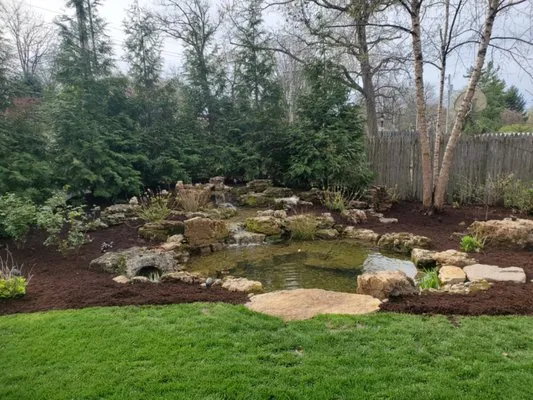
Jason's Firewood & Mulch is a family-owned business serving Perryville, MO, and the surrounding St. Louis and Southeast Missouri regions for over 13 years. With a background rooted in outdoor work sin...
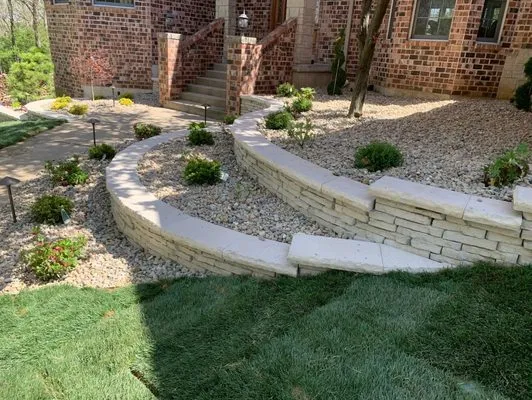
Green Operations is a St. Louis-based landscaping and masonry company with over a decade of experience transforming outdoor spaces. As a certified Unilock contractor, we specialize in comprehensive la...
Baxter Gardens of Chesterfield
Baxter Gardens of Chesterfield is a family-owned landscape company serving Chesterfield, MO, and the greater St. Louis area since 1971. Founded by Bill Sr. in Hazelwood with four crews, the business h...
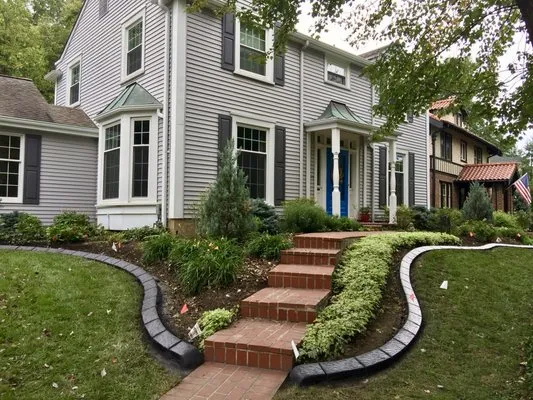
Curb Appeal in Saint Peters, MO, is a full-service landscaping and hardscaping company specializing in transforming outdoor spaces. We handle everything from earthmoving and regrading to comprehensive...
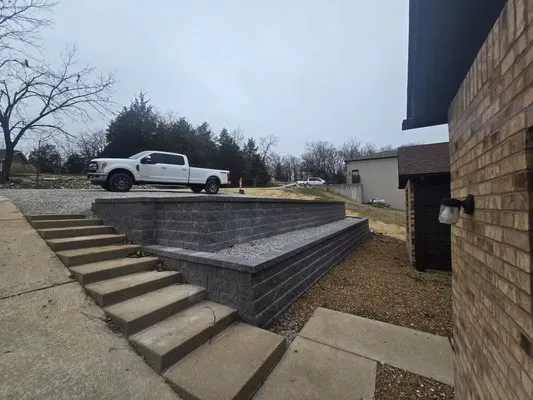
Smarter Landscaping is a full-service landscaping company serving Fenton, MO, specializing in landscaping, masonry/concrete, and fences & gates. We help homeowners and businesses transform their outdo...
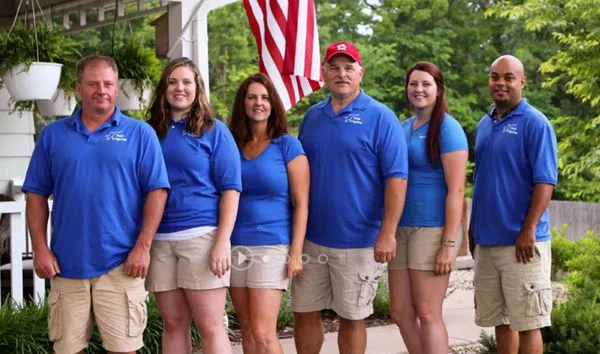
Dade Irrigation is a family-owned and operated irrigation and landscaping business serving O'Fallon, MO, and St. Charles County since 1997. We specialize in irrigation construction, design, repair, an...

Mathias Precision Tree Service
Mathias Precision Tree Service began as a neighborhood lawn care business over two decades ago, founded by a young entrepreneur in Saint Peters, MO. From those early days of mowing lawns with a family...
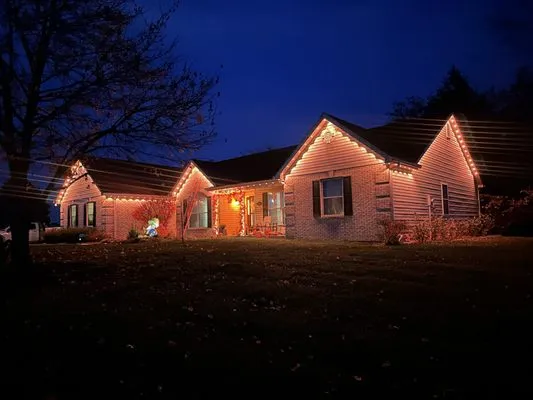
Repair Syndicate is your trusted, full-service handyman team based in Overland, MO, dedicated to serving homeowners throughout the greater St. Louis area. We specialize in a comprehensive range of res...

Signature Landscapes & Design
Signature Landscapes & Design is a professional landscape company serving the St. Louis metropolitan area from our home base in Eureka, MO. With over 30 years of combined experience since our founding...

Top Notch Lawn & Landscaping is a family-owned business in Troy, MO, dedicated to professional outdoor care. We specialize in comprehensive lawn maintenance, tree services, and deck work, serving our ...
Estimated Landscaping Service Costs in Pacific, MO
FAQs
What low-maintenance native alternatives can replace high-input turf areas as noise ordinances evolve?
Transitioning to Missouri native plant communities featuring Purple Coneflower, Little Bluestem, Butterfly Milkweed, Wild Bergamot, and Switchgrass reduces maintenance frequency by 60-80% compared to conventional turf. These deep-rooted perennials require no gas-powered blowers for cleanup once established, staying ahead of potential noise ordinance restrictions. Native plantings support local pollinator populations while needing only seasonal cutting back rather than weekly mowing. Their drought tolerance and adaptation to Zone 6b conditions eliminate irrigation needs beyond establishment periods, creating resilient landscapes that meet 2026 biodiversity standards.
How should I manage invasive species like Japanese knotweed or bush honeysuckle without violating fertilizer regulations?
Invasive species control requires precise timing to avoid Missouri's fertilizer ordinance blackout dates, typically late fall through early spring when plants are dormant but soil is unfrozen. For woody invasives like bush honeysuckle, cut-stump treatments with glyphosate formulations labeled for right-of-way use provide effective control without broadcast applications that might violate best management practices. Herbaceous invaders like Japanese knotweed respond best to foliar applications in late summer when plants translocate chemicals to root systems. Always verify current Missouri Department of Agriculture pesticide licensing requirements before application near property boundaries.
Can I maintain healthy Tall Fescue turf while following Pacific's voluntary water conservation guidelines?
Wi-Fi ET-based weather sensing irrigation systems precisely match watering to actual evapotranspiration rates, typically reducing Tall Fescue water use by 25-40% compared to traditional timer systems. These smart controllers automatically adjust for rainfall, humidity, and temperature data specific to Pacific's USDA Zone 6b climate. During normal water restriction periods, the system maintains turf health with 1-1.5 inches of water weekly applied in early morning cycles. This technology prevents overwatering while supporting Kentucky-31 or turf-type varieties through summer stress periods without violating conservation advisories.
What permits and licenses are required for regrading my 0.22-acre Pacific property to improve drainage?
Grading projects exceeding 100 cubic yards of soil movement on 0.22-acre lots require Pacific Planning & Zoning Department permits for erosion control and drainage pattern changes. Contractors must hold Missouri Department of Agriculture nursery licenses for any plant installation and pesticide applicator certifications if soil amendments contain regulated components. For projects affecting stormwater flow to adjacent properties or public rights-of-way, additional permits may be necessary. Professional landscape architects or engineers licensed in Missouri should design significant grade alterations to ensure compliance with local ordinances and prevent unintended water diversion issues.
Why does my Old Town Pacific yard have such dense, slow-draining soil that seems to resist water and nutrients?
Properties in Old Town Pacific with 1985-era construction typically have 41-year-old soil profiles that have undergone significant compaction from decades of foot traffic and equipment use. The native silty clay loam (pH 6.5-7.2) common here naturally has low permeability, and years of conventional maintenance have reduced organic matter content below optimal levels. This combination creates poor soil structure where water pools and roots struggle to penetrate. Annual core aeration combined with 1-2 inches of compost topdressing can rebuild soil porosity and microbial activity over 2-3 growing seasons.
How quickly can you respond to emergency storm damage cleanup for HOA compliance in Pacific?
Emergency response teams typically reach Old Town Pacific within 20-30 minutes during peak traffic conditions. Crews dispatch from our Pacific City Park staging area, taking I-44 eastbound with direct access to neighborhood service roads. For urgent HOA compliance issues like downed limbs blocking driveways or post-storm debris removal, we prioritize same-day assessment with work commencing within 4 business hours. This rapid response prevents potential violation notices while addressing safety hazards from compromised trees or hardscape elements.
Are permeable pavers or traditional wood decks better for longevity and fire safety in Pacific's moderate-risk zones?
Crushed limestone or permeable concrete pavers significantly outperform wood in longevity, with 25-30 year lifespans versus wood's 10-15 years in Missouri's freeze-thaw cycles. For Pacific's Moderate WUI Zone 2 fire-wise rating, non-combustible hardscape materials create critical defensible space within 5-30 feet of structures. Permeable systems also reduce flammable mulch requirements while maintaining soil moisture for fire-resistant plantings. Unlike wood that requires annual sealing and eventual replacement, paver installations need only occasional joint sand replenishment and maintain their fire-resistant properties indefinitely without chemical treatments.
What solutions work best for moderate runoff issues in Pacific's clay-heavy soil conditions?
Silty clay loam's natural compaction exacerbates runoff problems, particularly on sloped lots common in Old Town Pacific. Permeable concrete pavers or crushed limestone installations create 30-40% void spaces that allow stormwater infiltration at 5-10 inches per hour rates. These materials meet Pacific Planning & Zoning Department runoff standards by reducing impervious surface area while providing stable walking surfaces. For severe cases, French drains lined with washed gravel and connected to rain gardens planted with native Switchgrass can manage up to 90% of first-inch rainfall events without municipal system overload.
