Top Landscaping Services in Overland, MO, 63114 | Compare & Call
There are 183 landscaping companies server in Overland MO
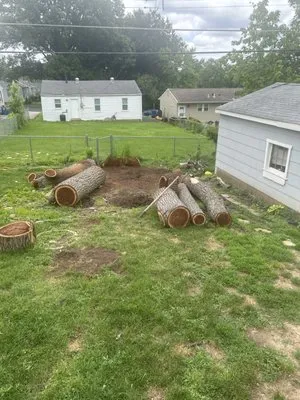
Tom's Tree and Landscape is a trusted Overland, MO provider of comprehensive tree care and landscaping services. We specialize in landscape maintenance and tree care to keep your outdoor spaces health...

Peerless Property Maintenance is a Saint Louis-based landscaping and tree service company founded by Andy and Corey, who combine professional expertise with hands-on experience. Andy holds a Master's ...
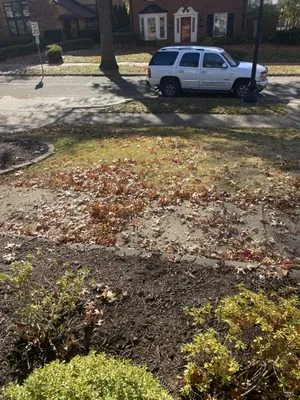
Tees Cut & Clean Lawn Care Services is a year-round, full-service lawn care provider serving Saint Louis homeowners. We specialize in delivering consistent, reliable service through every season, ensu...
JC Lawn Care Service is a trusted, locally owned lawn care provider serving Saint Louis, MO. We specialize in comprehensive lawn care solutions designed to tackle the common landscaping challenges fac...

Rods Lawn Express is a Saint Louis-based lawn care company dedicated to solving the common local landscaping challenges homeowners face, such as yard erosion and poor grading. Serving the greater Sain...
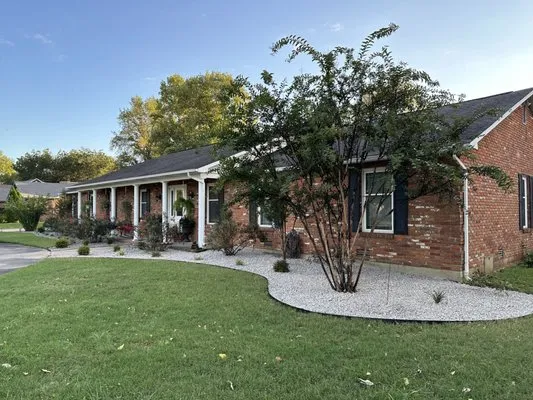
JR's Lawn Care is a trusted lawn service provider serving Saint Louis, MO, dedicated to helping local homeowners achieve and maintain healthy, vibrant lawns. We specialize in comprehensive lawn care s...
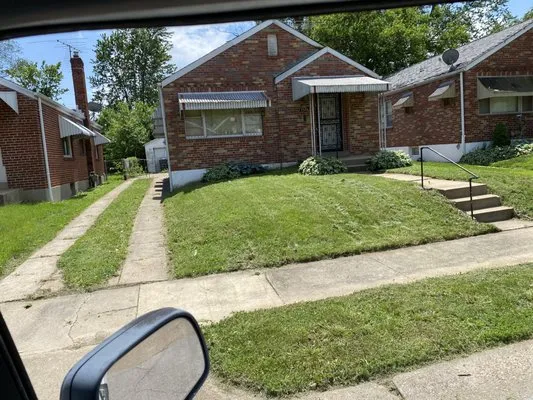
Jerrell's Cut is a trusted lawn service provider serving Saint Louis, MO, and the surrounding areas. We specialize in comprehensive lawn care, helping local homeowners maintain healthy, vibrant yards ...
Hurst Lawn And Labor is a trusted, locally-owned lawn service in Overland, MO, dedicated to creating and maintaining healthy, resilient lawns for the community. We specialize in comprehensive lawn car...
New Look Landscaping is a trusted local landscaping company serving Overland, MO, dedicated to transforming outdoor spaces with practical, lasting solutions. We specialize in addressing common area ch...
Ross Landscaping is a trusted local landscaping company serving Overland, MO, and the surrounding communities. We specialize in comprehensive landscape solutions tailored to the unique needs of our ar...
Estimated Landscaping Service Costs in Overland, MO
Questions and Answers
Is it wasteful to run my sprinklers when there are no water restrictions?
Stage 0 status means no mandated cuts, but efficient water use remains critical. Wi-Fi ET-based irrigation controllers adjust schedules using real-time weather data, applying water only as needed to replace evapotranspiration losses. This technology prevents overwatering, which exacerbates our region's clay subsoil compaction, and maintains Tall Fescue health while conserving municipal water resources ahead of potential future restrictions.
My yard holds water after rain. What's a long-term fix that won't look ugly?
Moderate runoff is common here due to compacted clay subsoil beneath the Silt Loam. A functional solution replaces solid concrete with permeable concrete pavers or open-joint natural limestone systems. These hardscapes meet Overland Planning Department runoff standards by allowing water to infiltrate locally. For planted areas, creating simple rain gardens with deep-rooted natives like Wild Bergamot can manage sheet flow and improve soil percolation.
My lawn has never been great, even with regular care. Does the age of our house have anything to do with it?
Properties in the Wild Acres neighborhood, with an average construction year of 1952, have 74-year-old soils. Decades of standard landscaping have compacted the native Silt Loam, reducing permeability and organic matter. This compaction layer, often just below the root zone, restricts water infiltration and root growth for Tall Fescue. Core aeration paired with top-dressing compost is essential to rebuild soil structure and biological activity.
Do I need a permit to regrade my backyard, and what kind of contractor should I hire?
Yes, significant grading on a 0.22-acre lot typically requires a permit from the Overland Department of Planning & Community Development to ensure proper drainage and erosion control. The work must be performed by a contractor licensed by the St. Louis County Department of Transportation and Public Works for earth disturbance. This licensing ensures adherence to county stormwater best practices, including phosphorus restrictions, protecting the watershed from sediment and nutrient runoff.
Should I use wood or stone for a new patio? I want it to last and be safe.
Natural limestone or concrete pavers offer superior longevity and require less maintenance than wood, which decays and requires chemical treatments. In our Urban residential Fire Wise zone, non-combustible hardscape materials like stone contribute to defensible space by creating a fuel break. Their permeability also aids in stormwater management, a key consideration for permit approval on a 0.22-acre lot where every square foot of impervious cover is regulated.
A storm knocked down a large limb. How quickly can a crew get here for an emergency cleanup?
An emergency dispatch from our Morton Park depot can route via I-170 to reach Wild Acres within the 20-30 minute peak storm response window. Crews operate within the Overland noise ordinance hours of 7:00 AM to 9:00 PM. The priority is securing the hazard and clearing access, with follow-up debris processing scheduled to comply with St. Louis County stormwater protocols for organic waste.
What's taking over my flower beds, and how do I stop it without harsh chemicals?
Invasive species like wintercreeper euonymus and callery pear seedlings are prevalent alerts in Overland. Manual removal is most effective for small infestations. For persistent issues, targeted, organic-approved herbicidal treatments must be applied outside of St. Louis County's phosphorus restriction blackout dates, typically in early spring and late fall, to prevent runoff into watersheds. Promoting dense native plantings is the best defense against future invasions.
I'm tired of mowing and blowing leaves. Are there quieter, lower-maintenance options?
Transitioning high-input turf to a xeriscape featuring Purple Coneflower, Butterfly Milkweed, and Little Bluestem significantly reduces mowing and fossil-fueled leaf blowing. This aligns with evolving municipal noise ordinances targeting gas-powered equipment. A native planting scheme, once established, requires minimal irrigation, eliminates synthetic fertilizer needs, and provides superior habitat value, creating a resilient landscape ahead of 2026 biodiversity benchmarks.
