Top Landscaping Services in Old Jamestown, MO, 63031 | Compare & Call

There are 155 landscaping companies server in Old Jamestown MO
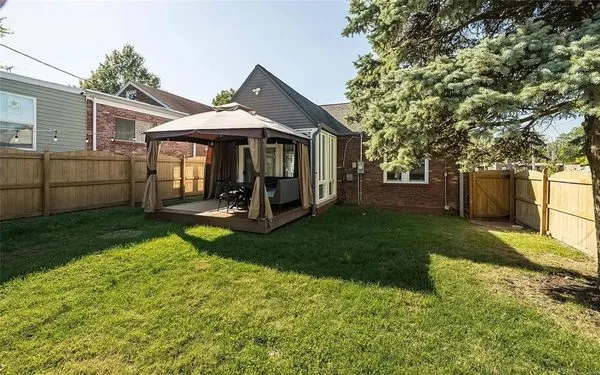
River City Landscaping in Saint Louis, MO, brings 25 years of hands-on experience to every project, specializing in landscaping, fences, and gates. Founded by Owen, the business focuses on ground-leve...
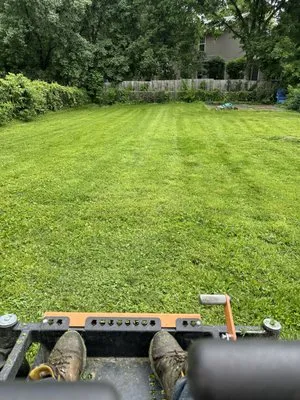
Stl Gold Lawncare & Landscape is a trusted Berkeley, MO landscaping company specializing in comprehensive lawn and garden care. We provide expert services including gardening, gutter cleaning, landsca...
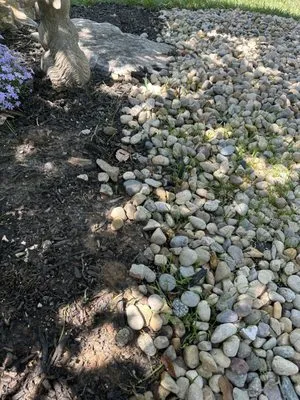
Done Right Landscapes
Done Right Landscapes is a St. Peters-based landscaping company founded and operated by local expert Adam Callison. With roots in the St. Charles area, Adam's journey began mowing lawns at age 13, whi...
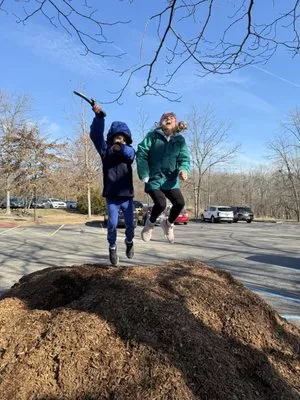
Jeff Baker & Sons is a locally owned and operated landscaping and handyman service based in Ballwin, MO, serving the Greater St. Louis area since 2004. Founded by Jeff Baker while he was a student at ...
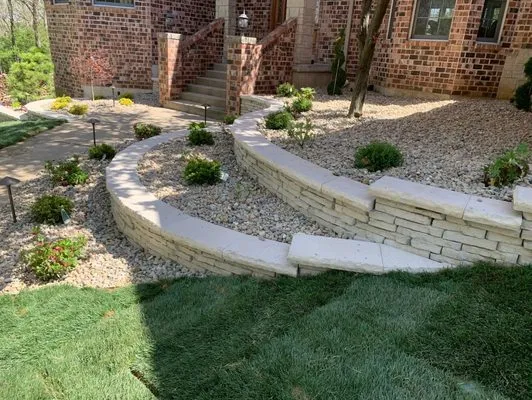
Green Operations is a St. Louis-based landscaping and masonry company with over a decade of experience transforming outdoor spaces. As a certified Unilock contractor, we specialize in comprehensive la...
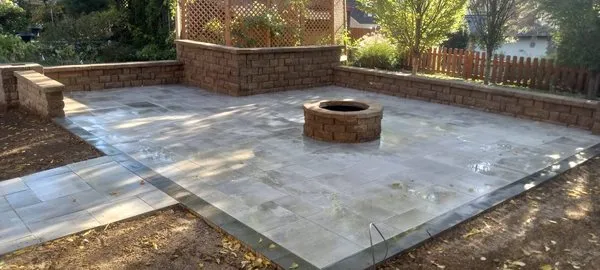
Mejias Landscaping is a full-service outdoor improvement company serving Saint Louis, MO. We provide honest, friendly, and professional solutions for landscaping, fencing, and masonry. Our team is pas...
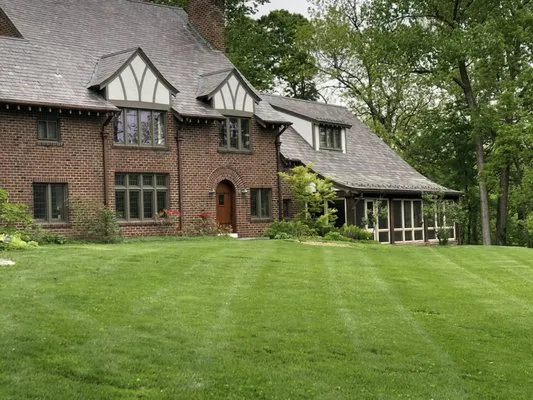
Schuler Lawn Care is a locally owned and operated lawn service provider based in Saint Charles, MO, with over 15 years of experience serving the St. Louis and St. Charles County areas. Founded in 2005...

Baxter Gardens of Chesterfield
Baxter Gardens of Chesterfield is a family-owned landscape company serving Chesterfield, MO, and the greater St. Louis area since 1971. Founded by Bill Sr. in Hazelwood with four crews, the business h...
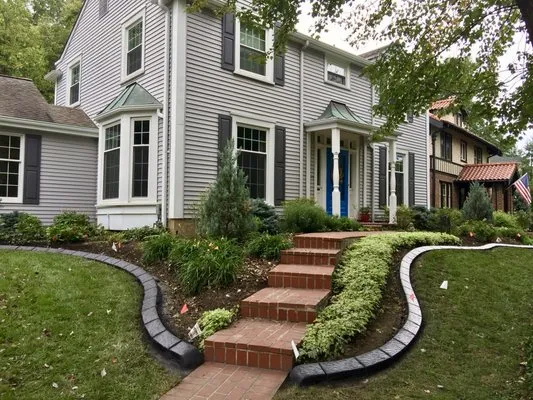
Curb Appeal in Saint Peters, MO, is a full-service landscaping and hardscaping company specializing in transforming outdoor spaces. We handle everything from earthmoving and regrading to comprehensive...
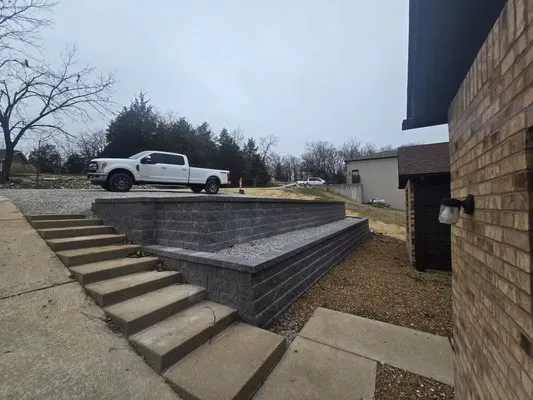
Smarter Landscaping is a full-service landscaping company serving Fenton, MO, specializing in landscaping, masonry/concrete, and fences & gates. We help homeowners and businesses transform their outdo...
Estimated Landscaping Service Costs in Old Jamestown, MO
Frequently Asked Questions
Does regrading my half-acre lot require a permit or a special contractor license?
Yes. Significant regrading that alters stormwater flow on a 0.50-acre lot typically requires a permit from the St. Louis County Department of Planning to ensure compliance with erosion and sediment control ordinances. The work itself must be performed by a contractor appropriately licensed through the Missouri Department of Agriculture for landscaping or earthwork, which includes bonding and insurance requirements to protect your property.
Why does my Old Jamestown soil seem so dense and compacted compared to new subdivisions?
Homes built around the community average of 1985 have soils with over 40 years of maturation. The predominant silt loam topsoil has been repeatedly compacted by construction, foot traffic, and mowing, reducing its permeability. Core aeration is critical to alleviate this; it introduces oxygen and improves water infiltration into the clay subsoil. Incorporating composted organic matter will rebuild soil structure and support microbial life, moving the soil toward a healthier equilibrium.
How quickly can a crew respond for emergency storm debris cleanup to meet HOA deadlines?
For time-sensitive compliance, our dispatch prioritizes Old Jamestown from the St. Stanislaus Conservation Area staging point. Using MO-367, a peak response during business hours is 35-50 minutes. We coordinate with municipal debris removal schedules and utilize electric chippers and hauling equipment that comply with daytime noise ordinances, ensuring efficient clearing without violating community standards.
I want to reduce mowing and gas equipment noise. What are my options?
Transitioning high-maintenance turf to a native plant community is the definitive solution. Species like Purple Coneflower, Butterfly Milkweed, Little Bluestem, and Wild Bergamot are adapted to Zone 7a, require no weekly mowing, and minimal watering once established. This xeriscaping approach significantly reduces the need for gas-powered blowers and mowers, aligning with evolving noise ordinances and supporting local biodiversity far beyond a traditional lawn.
My yard collects water after heavy rains. What's a lasting solution that also looks good?
Moderate runoff is common here due to silt loam over dense clay. A functional solution integrates permeable hardscaping, such as dry-laid Missouri limestone or concrete pavers on a gravel base, which meets St. Louis County runoff standards. Pair this with a French drain system or a rain garden planted with native species to capture and slowly infiltrate water, addressing the saturation at its source while adding landscape value.
Are concrete pavers or wood better for a new patio considering longevity and fire safety?
Concrete pavers and Missouri limestone are superior for our climate and fire risk profile. They are non-combustible, providing critical defensible space as encouraged by Moderate Firewise community standards. Unlike wood, which decays and requires chemical treatments, these materials have exceptional longevity with minimal maintenance, resist freeze-thaw cycles in Zone 7a, and do not contribute fuel in a fire event.
With no current water restrictions, is a smart controller still necessary for my Tall Fescue lawn?
Absolutely. An ET-based smart controller is a preventative investment. It calculates precise watering needs using local evapotranspiration data, applying water only when and where your Tall Fescue requires it. This practice conserves municipal water during peak demand, prevents overwatering that exacerbates clay subsoil saturation, and maintains turf health proactively, keeping you ahead of potential future Stage 1 or 2 restrictions.
I've spotted invasive Callery pear seedlings. How should I handle them safely?
Callery pear is a high-priority invasive. For young seedlings, manual removal, ensuring the entire root is extracted, is effective. For established saplings, a targeted cut-stump herbicide application by a licensed professional may be necessary. All control methods must adhere to the St. Louis County Nutrient Management Guidelines, which may restrict certain fertilizer and herbicide applications during specific seasonal blackout dates to protect water quality.
