Top Landscaping Services in North Kansas City, MO, 64116 | Compare & Call
There are 178 landscaping companies server in North Kansas City MO
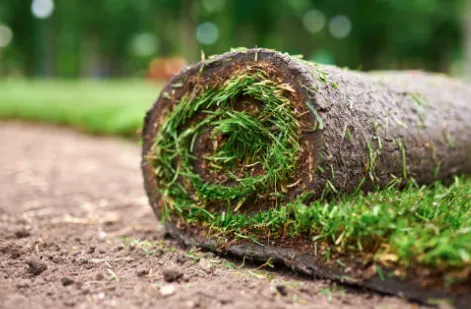
A Mazen Enterprise is a Kansas City-based landscaping contractor dedicated to enhancing and protecting local outdoor spaces. We specialize in comprehensive solutions, from landscape design and irrigat...
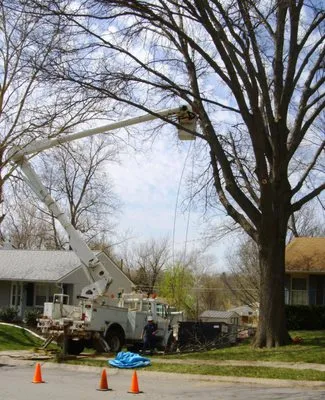
Since 1996, TJ's Tree Services has been a trusted, locally-owned provider for Kansas City, Gladstone, Parkville, and Liberty. Our team, which includes certified arborists with over three decades of cl...
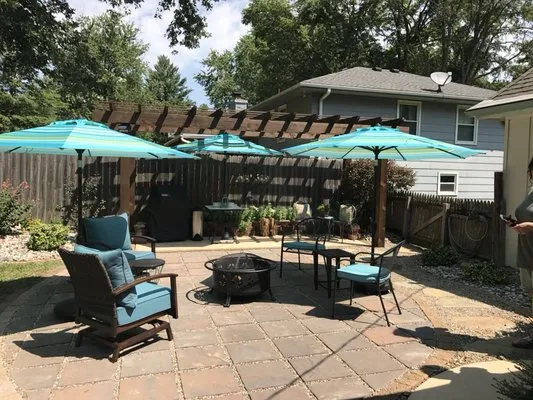
Divine Services is a trusted Kansas City, MO, contractor specializing in landscaping, irrigation, and general construction. We understand the local challenges homeowners face, like frustrating sprinkl...
Next Level Grass is a dedicated lawn care and snow removal service based in Kansas City, MO. We specialize in providing reliable, professional solutions for homeowners throughout the metro area. Under...
Anything and Everything Lawn Care is your dedicated local partner for a healthy, beautiful lawn in Kansas City, MO. We understand the common frustrations homeowners face, like persistent weeds taking ...
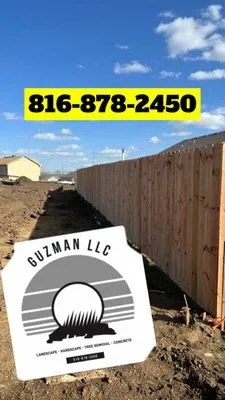
Guzman is a trusted local business in Kansas City, MO, specializing in tree services, landscaping, and masonry/concrete. We provide comprehensive landscape maintenance and expert tree care to help hom...
K.C. Lawn and Leaf is a dedicated, locally-owned lawn and tree care provider serving Kansas City homeowners. We combine extensive knowledge of Midwestern landscapes with a practical, hands-on approach...
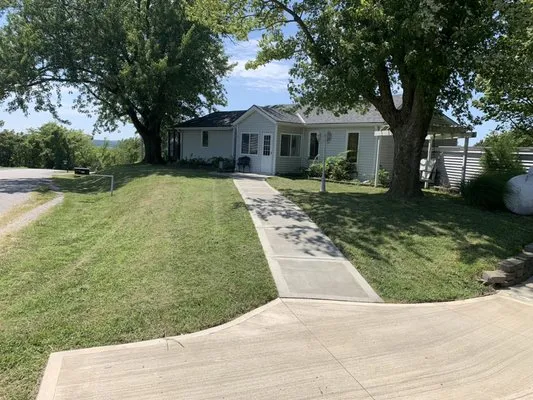
Ramsey Lawn Care is a trusted lawn service provider serving Kansas City, MO homeowners with reliable, expert care. We specialize in comprehensive lawn maintenance to tackle common local landscaping ch...
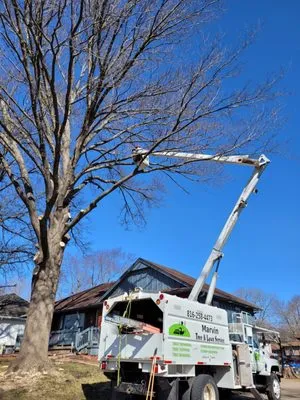
Marvin Tree and Lawn Service is a trusted, locally-owned provider in Sugar Creek, MO, specializing in comprehensive tree and lawn care. We understand that many local homeowners face challenges like ov...
Barnes Landscaping is a full-service landscaping company serving Kansas City, MO, with over 25 years of experience transforming outdoor spaces. We specialize in addressing common local issues like soi...
Estimated Landscaping Service Costs in North Kansas City, MO
Common Questions
Is there a lower-maintenance alternative to my traditional lawn?
Transitioning high-maintenance turf to a climate-adaptive xeriscape with native plants like Purple Coneflower, Butterfly Milkweed, and Little Bluestem significantly reduces water, mowing, and chemical inputs. This strategy also positions your property ahead of evolving noise ordinances by eliminating the need for gas-powered blowers. The deep root systems of these natives improve soil stability and provide critical habitat, aligning with 2026 biodiversity and ecological service goals.
My yard floods after heavy rain; what's a lasting solution?
High runoff in Silty Clay Loam soils is a common drainage hazard here due to low permeability. A primary solution is replacing solid surfaces with Permeable Concrete Pavers, which allow water to infiltrate directly into the subsoil. This approach often meets the North Kansas City Community Development Department's stormwater management standards by reducing impervious cover. For severe cases, integrating a dry well or French drain system beneath the permeable hardscape provides additional capacity.
My HOA issued a violation notice for overgrowth; how fast can you respond?
For HOA compliance and emergency cleanup, our dispatch from Macken Park via I-35 allows a 15-20 minute peak response to the Armour Road Corridor. We prioritize these calls with electric maintenance fleets that comply with local noise ordinances, enabling immediate work upon arrival. The crew will assess the violation, perform necessary mowing or trimming, and provide documentation for the HOA to confirm resolution.
Are permeable pavers a better choice than wood for a new patio?
Permeable Concrete Pavers offer superior longevity and functionality compared to wood in our climate. They resist rot, frost heave, and insect damage, providing a stable surface for decades. Their permeability directly addresses local runoff concerns. While the urban setting has a low Fire Wise rating, the non-combustible nature of pavers also contributes to defensible space, a consideration for any material selection in fire-prone regions.
How can I keep my Tall Fescue healthy without wasting water?
Wi-Fi ET-based weather-sensing irrigation is the standard for efficient water use in North Kansas City. These systems adjust schedules daily based on local evapotranspiration data, applying water only when the turf needs it. While the city is currently in Stage 0 with no restrictions, this technology proactively conserves water and maintains soil moisture at optimal levels for Tall Fescue root depth, preventing the stress that leads to disease and thinning.
Do I need a permit to regrade my backyard, and who is qualified to do the work?
Regrading a 0.19-acre lot often requires a permit from the North Kansas City Community Development Department if it alters drainage patterns or involves significant earth movement. This work must be performed by a contractor licensed through the Missouri Division of Professional Registration. Hiring a licensed professional ensures the grading plan complies with municipal codes, manages stormwater runoff correctly, and avoids creating liability issues for neighboring properties.
Why does my soil feel so heavy and compacted?
Homes in the Armour Road Corridor, typically built around 1969, have soils that have matured for over 55 years. This age, combined with the area's natural Silty Clay Loam, leads to significant compaction from decades of foot traffic and maintenance. The dense structure impedes root growth and water percolation. Annual core aeration and the incorporation of 1-2 inches of compost are essential to rebuild soil structure and introduce organic matter for long-term health.
What invasive species should I watch for, and how do I control them?
Common invasive alerts in Zone 6b include Japanese Knotweed and Wintercreeper. Manual removal for young plants or targeted, systemic herbicide application for established stands are effective controls. All treatments must adhere to the Regional Stormwater Management Guidelines, which prohibit phosphorus-containing fertilizers and may have blackout dates for chemical applications to protect watersheds. Always dispose of invasive plant material in the trash, not compost, to prevent spread.
