Top Landscaping Services in Nevada, MO, 64772 | Compare & Call
There are 13 landscaping companies server in Nevada MO
RDs Lawn Service & Home Repairs is a trusted Nevada, MO contractor specializing in lawn care, general contracting, and flooring solutions. We help local homeowners tackle common landscaping challenges...
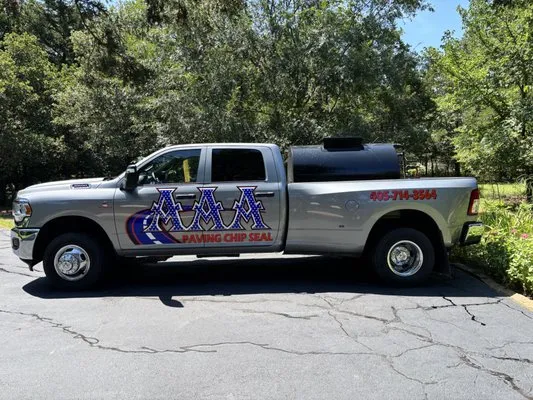
AAA Paving is a trusted masonry, concrete, and landscaping contractor serving Harwood, MO, and the surrounding area. We specialize in durable driveway construction and installation, landscape construc...

Electric City Service
Electric City Service is your trusted local repair expert in Butler, MO, tackling jobs big and small for your farm, lawn, and motorsport needs. We understand the unique challenges faced by homeowners ...
Estimated Landscaping Service Costs in Nevada, MO
Frequently Asked Questions
Can I maintain Tall Fescue turf under Nevada's current water restrictions?
Stage 0 water restrictions allow normal irrigation, but Wi-Fi ET-based weather sensing systems optimize water use by calculating evapotranspiration rates. This technology adjusts schedules based on real-time weather data, delivering precise moisture to Tall Fescue's root zone while reducing waste by 20-30%. Programming deep, infrequent watering during early morning hours maximizes absorption and minimizes evaporation, keeping turf healthy within municipal water allocation limits.
What invasive species threaten Nevada landscapes, and how are they managed safely?
Japanese knotweed and wintercreeper pose significant threats in Missouri, outcompeting native plants and degrading soil structure. Treatment involves mechanical removal followed by targeted herbicide applications during active growth periods, avoiding state BMP blackout dates for fertilizer and chemical use. Integrating pre-emergent organic controls like corn gluten meal prevents seed germination. Regular monitoring and early intervention maintain ecological balance without violating local ordinances.
Why does my Historic Downtown Nevada lawn have drainage issues despite regular care?
Properties built around 1959 have soil that has matured for approximately 67 years, developing a compacted structure common in Nevada's neutral silt loam. This soil type retains moderate runoff due to underlying clay subsoil layers that reduce permeability. Core aeration every 1-2 years breaks up compaction, while adding organic amendments like compost improves water infiltration and supports microbial activity. These practices address the legacy of decades-old construction techniques that prioritized grading over long-term soil health.
How quickly can you respond to an emergency cleanup for HOA compliance in Nevada?
Emergency cleanup crews dispatch from the Bushwhacker Museum area, taking US-54 for efficient access to Historic Downtown Nevada. Standard response time is 15-20 minutes during operational hours. We coordinate with municipal quiet hours (10 PM to 7 AM) using electric equipment to avoid noise violations. This routing ensures rapid debris removal or storm damage response while maintaining neighborhood compliance standards.
What permits and licenses are needed for grading work on a standard Nevada lot?
Grading projects on 0.22-acre lots require permits from the Nevada Building and Zoning Department to ensure proper drainage and erosion control. Contractors must hold licensing through the Missouri Department of Agriculture for soil disturbance activities exceeding 100 square feet. Professional licensing verifies competency in best management practices for sediment control and compliance with state fertilizer ordinances. Unpermitted grading risks fines and may void property insurance coverage for drainage-related damage.
Is Missouri limestone better than wood for durable, fire-resistant hardscaping?
Native Missouri limestone offers superior longevity with minimal maintenance compared to wood's decay and insect vulnerability. Its non-combustible nature supports Moderate Fire Wise ratings by creating defensible space in Wildland-Urban Interface zones. Limestone's permeability aids drainage compliance, while its thermal mass moderates microclimate temperatures. For patios, walkways, or retaining walls, limestone provides a 50+ year service life versus wood's 10-15 year replacement cycle.
How can I reduce maintenance while supporting local ecology in my Nevada yard?
Replacing high-maintenance turf with native plantings like Purple Coneflower, Butterfly Milkweed, Little Bluestem, and Aromatic Aster creates drought-resistant landscapes. These species require minimal watering, no chemical fertilizers, and provide habitat for pollinators. Transitioning to electric maintenance equipment aligns with noise ordinance trends restricting gas-powered blowers. This approach reduces weekly mowing needs while supporting 2026 biodiversity standards through regionally adapted vegetation.
What solutions work for moderate runoff problems in Nevada's clay-heavy soil?
Neutral silt loam with clay subsoil requires engineered drainage to meet Nevada Building and Zoning Department runoff standards. Installing French drains or dry wells intercepts subsurface water, while permeable Missouri limestone hardscape allows surface infiltration. Grading slopes away from foundations at 2% minimum directs water toward rain gardens planted with native species. These combined approaches manage moderate runoff by increasing soil permeability and reducing erosion on 0.22-acre lots.
