Top Landscaping Services in Mexico, MO, 65265 | Compare & Call
There are 63 landscaping companies server in Mexico MO
TruCuts Lawn & Landscape is your local, full-service landscaping partner in Laddonia, MO. We specialize in turning outdoor challenges into beautiful, functional spaces. We understand common local issu...
Tiger Stripes Landscaping & More is a dedicated local landscaping company serving the Auxvasse, MO community. We understand the unique challenges homeowners here face, from frustrating lawn insect dam...
WT ClearScape in Auxvasse, MO, is your local partner for a cleaner, more functional outdoor space. We specialize in landscaping, junk removal, and pressure washing services tailored to the needs of ou...
Taylor Mowing Service is a trusted local provider in Mexico, MO, dedicated to keeping properties healthy and well-maintained year-round. Founded in 2005 by Daniel, who started as a teenager, the busin...
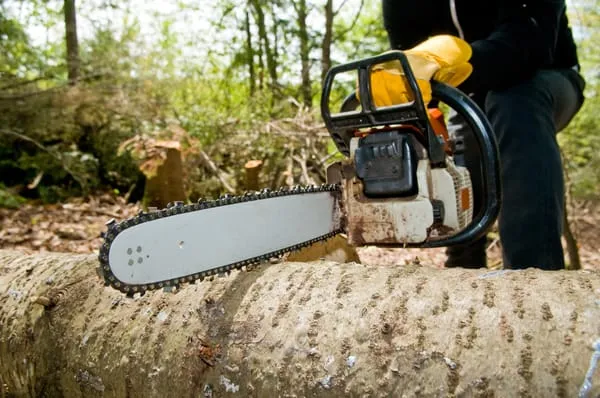
Dixie Tree and Landscaping is a trusted, local provider of comprehensive yard care for Rush Hill, Missouri. We offer reliable landscape maintenance and expert tree care services, helping homeowners ac...
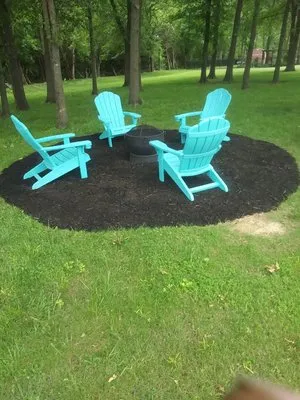
Hemphill Outdoor Services is a trusted lawn care and pressure washing provider serving Mexico, MO, and the surrounding communities. We specialize in comprehensive lawn maintenance and cleaning solutio...
Jim Wieberg Lawn Service is a trusted, locally-owned landscaping provider serving Rush Hill, MO, and the surrounding communities. We specialize in addressing the common local issues of tree root lawn ...
Rothermich Lawn and Landscape is a trusted, locally owned and operated landscaping company serving Mexico, MO, and the surrounding communities. We understand the unique challenges homeowners in our ar...
J & Bs Mowing provides reliable lawn care services to Mexico, MO. Our experienced team uses quality equipment to deliver careful and professional results for every yard we service. We focus on providi...
Evergreen Lawn Care Service is a locally owned and operated business serving Mexico, MO, and surrounding communities. We specialize in comprehensive lawn care and painting services, combining expertis...
Estimated Landscaping Service Costs in Mexico, MO
FAQs
How do I keep my Tall Fescue lawn healthy during summer without wasting water?
Despite no mandatory water restrictions, voluntary conservation is prudent. Smart, Bluetooth-enabled timer valves are critical; they can be programmed using local evapotranspiration (ET) data to deliver precise irrigation only when needed, typically in the early morning. This prevents runoff on slow-permeability soils and deep-waters the root zone. Overwatering is the primary cause of fungal disease in Tall Fescue here, so an ET-based schedule is both water-wise and turf-protective.
How quickly can you respond to an emergency tree cleanup or an HOA compliance notice?
Our standard service response for the Mexico area is 15-20 minutes. For a dispatch to the Southside Historic District, our routing originates from the Audrain County Courthouse area, proceeds south via US Route 54, and utilizes local access streets. We maintain an electric-capable fleet for quiet operations, allowing us to address time-sensitive issues even during standard quiet hours without violating the 10 PM to 7 AM ordinance.
My yard holds water for days after a rain. What's the best long-term fix?
This is a direct result of the high clay content and slow permeability of Mexico Silt Loam. Surface grading to direct water away from foundations is the first step. For hardscape solutions, using permeable crushed limestone for walkways or patios allows water to infiltrate locally rather than sheet flow. These strategies often align with the Mexico Building & Zoning Department's standards for managing stormwater runoff on residential lots, turning a problem into a functional landscape asset.
What permits or licensed professionals are needed for regrading my yard?
Significant regrading that alters water flow or involves retaining walls over certain heights typically requires a permit from the Mexico Building & Zoning Department. On a 0.22-acre lot, earthmoving can impact neighboring properties and municipal storm systems. The work must be performed by or under the supervision of a contractor licensed by the Missouri Division of Professional Registration. This ensures the work meets engineered standards for stability and drainage, protecting your investment and complying with local codes.
Is crushed limestone a better choice than wood for a new garden path?
For longevity and permeability, crushed limestone is superior to wood mulch for pathways. It compacts into a stable, durable surface that withstands freeze-thaw cycles and does not decompose. While this area has a Low Fire Wise rating, the non-combustible nature of stone also contributes to defensible space. Compared to solid pavers, crushed limestone's loose structure allows for better water infiltration, directly addressing the site's drainage challenges without creating impervious surfaces.
What invasive species should I watch for, and how do I control them safely?
Common invasive alerts for this area include Japanese honeysuckle, wintercreeper, and callery pear. Manual removal for young plants is best. For established infestations, targeted, systemic herbicide application in late summer or fall is most effective, when natives are dormant. All applications must follow the state-standard fertilizer and pesticide ordinance, avoiding runoff into waterways. We never apply preventatively, only as a targeted intervention integrated with native replanting to outcompete future invasions.
Why does the soil in my Southside Historic District yard seem so compacted and dense?
Properties in this neighborhood, typically built around 1965, have had 60+ years of soil maturation. The native Mexico Silt Loam naturally has a high clay fraction, and decades of foot traffic and conventional lawn care have significantly reduced its permeability and organic matter. This compaction restricts root growth and water infiltration. Core aeration combined with top-dressing compost is the foundational practice to rebuild soil structure and biological activity for long-term plant health.
Is there a lower-maintenance, eco-friendly alternative to my traditional lawn?
Yes, transitioning sections of high-maintenance turf to a native plant community is highly effective. Species like Purple Coneflower, Butterfly Milkweed, Little Bluestem, and Wild Bergamot are adapted to Zone 6b conditions, require no fertilization, minimal water once established, and support local pollinators. This approach reduces mowing frequency and future-proofs your property against potential gas-powered equipment phase-outs discussed in evolving noise ordinances. It represents a shift from resource consumption to ecological function.
