Top Landscaping Services in Maryville, MO, 64468 | Compare & Call

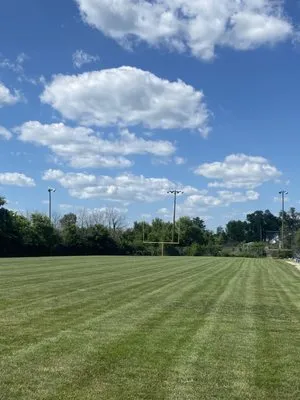
Lawnscaperz Edge is a trusted lawn care and snow removal service based in Maryville, MO, dedicated to keeping local properties looking their best year-round. We specialize in comprehensive lawn care s...
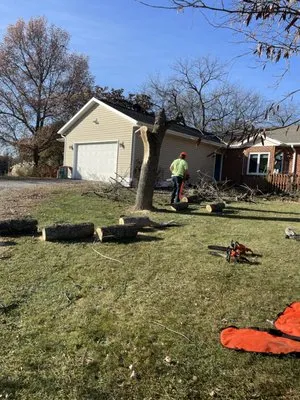
McKim Mowing & Tree Services is a locally owned and operated provider dedicated to the comprehensive care of your Maryville property. We offer a full suite of services, from routine lawn mowing and de...
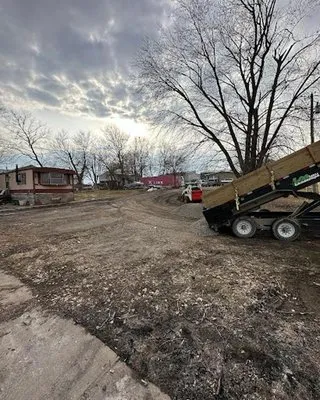
Loe Lawn & Landscape is a trusted Maryville, MO, landscaping company dedicated to solving common local yard problems. Many homeowners in the area struggle with patchy, dry spots from sprinkler coverag...

AA Lawn Care is a trusted local provider in Maryville, MO, specializing in comprehensive lawn services and reliable snow removal. Many homes in our community face common landscaping challenges like de...

Turf Masters Lawn Service is Maryville, Missouri's trusted local partner for maintaining a healthy, resilient lawn. We understand the common challenges Maryville homeowners face, from thinning, patchy...
Cuttin' It Close is a trusted, local landscaping and tree service company serving Maryville, MO, and the surrounding area. We specialize in the routine and reactive care your property needs to thrive ...

JB Lawn & Grave Solutions is a Maryville-based company providing reliable lawn care, snow removal, and excavation services for residential and commercial properties. With a focus on professionalism an...
FAQs
Water pools near our foundation after heavy rains. What solutions work with Maryville's clay subsoils?
Poor infiltration in Grundy Silt Loam's clay-heavy subsoil requires engineered drainage solutions. French drains with clean gravel and perforated pipe redirect water away from structures, while permeable local limestone pavers in walkways increase surface infiltration by 50-70%. These approaches meet Maryville Building & Planning Department runoff standards by managing stormwater on-site rather than contributing to municipal system overload.
What permits and licensing are required for regrading our 0.22-acre property?
Grading alterations on 0.22-acre lots require Maryville Building & Planning Department permits for erosion control and drainage compliance. Contractors must hold Missouri Department of Agriculture licensing for landscape installation exceeding $5,000 in value. Professional engineers should sign off on significant elevation changes affecting water flow patterns, as unpermitted grading can violate municipal codes and create liability for downstream water management issues.
How can we maintain healthy turf while practicing water conservation in Maryville?
Smart Wi-Fi soil moisture controllers optimize irrigation by monitoring real-time evapotranspiration rates and soil conditions. These systems maintain Kentucky Bluegrass and Tall Fescue with 30-40% less water than traditional timers, staying within voluntary conservation guidelines. Programming separate zones for sun exposure variations and adjusting runtime based on seasonal precipitation patterns prevents overwatering while preserving turf health during dry periods.
Should we choose local limestone or wood for our new patio considering longevity and safety?
Local limestone offers superior durability with 50+ year lifespan versus wood's 15-25 year maximum in Maryville's climate. Its non-combustible properties enhance defensible space in Low Fire Wise Rating urban interface zones. Properly installed limestone requires minimal maintenance, avoids chemical treatments needed for wood preservation, and provides better drainage permeability when set with open-joint patterns using polymeric sand.
We need emergency storm debris cleanup to meet HOA compliance deadlines. What's your response protocol?
Emergency cleanup crews dispatch from Mozingo Lake Recreation Park via US-71, maintaining 15-20 minute standard response times to the university district. Our electric maintenance fleet operates within Maryville's 7am-9pm noise ordinance window, utilizing battery-powered chippers and sweepers. We prioritize safety assessments before debris removal, documenting all work for HOA compliance verification upon completion.
We've spotted invasive Japanese knotweed spreading from neighboring properties. How should we respond?
Japanese knotweed requires immediate containment before it establishes deep rhizome systems. Mechanical removal with root excavation must occur before seed set in late summer, avoiding Missouri's phosphorus fertilizer restrictions on non-deficient soils. Targeted glyphosate applications during active growth periods, followed by native groundcover establishment, prevent reinfestation while maintaining soil health within local ordinance parameters.
Our yard seems compacted and drains poorly. Is this typical for older Maryville properties?
Properties in the Northwest Missouri State University District built around 1978 have approximately 48 years of soil development. Grundy Silt Loam naturally compacts over decades, reducing permeability to 0.1-0.3 inches per hour. Core aeration with 3-4 inch depth penetration addresses this compaction, while incorporating 1-2 inches of composted organic matter improves soil structure and maintains the optimal pH 6.2-6.8 range for nutrient availability.
What low-maintenance alternatives reduce our reliance on gas-powered equipment?
Transitioning to Purple Coneflower, Butterfly Milkweed, Little Bluestem, and Wild Bergamot creates self-sustaining ecosystems requiring minimal intervention. These natives thrive in USDA Zone 5b with seasonal pruning instead of weekly mowing, eliminating gas-blower use ahead of potential noise ordinance restrictions. Established native plantings reduce water needs by 75% compared to traditional turf while supporting pollinator populations through 2026 biodiversity standards.
