Top Landscaping Services in Marthasville, MO, 63357 | Compare & Call
There are 45 landscaping companies server in Marthasville MO
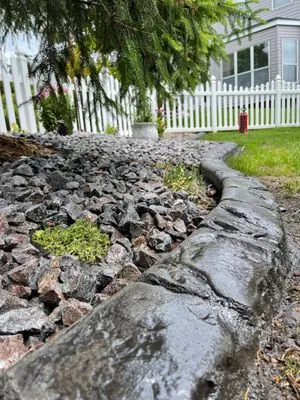
Masterstone Hardscapes
MasterStone Hardscapes is a dedicated husband and wife team with over 27 years of experience creating beautiful, lasting outdoor spaces in Weldon Spring. What began as a home remodeling business evolv...
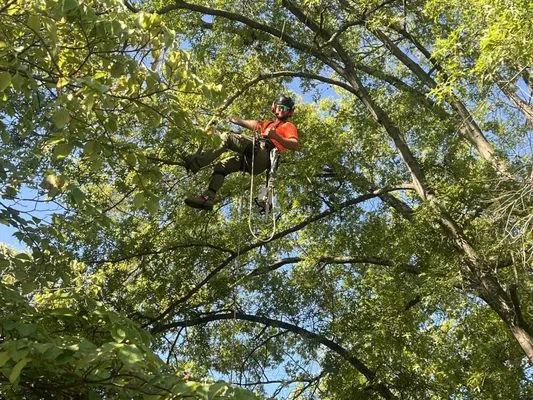
Osage Arbor Care is a locally owned and operated tree and landscape service proudly serving the Troy, MO community and the greater St. Louis metro area. Our passion for arboriculture is rooted in fami...
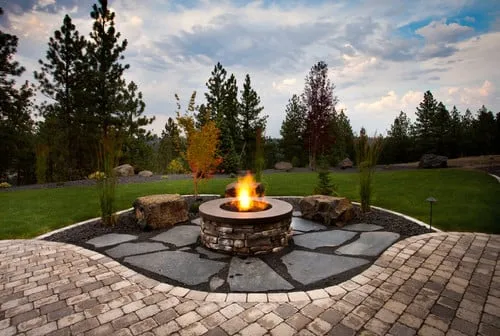
For over 25 years, the team at 3 Guys Lawn & Landscapes has been providing design/build and maintenance services across the St. Louis metropolitan area, neighboring Illinois communities, and the Lake ...
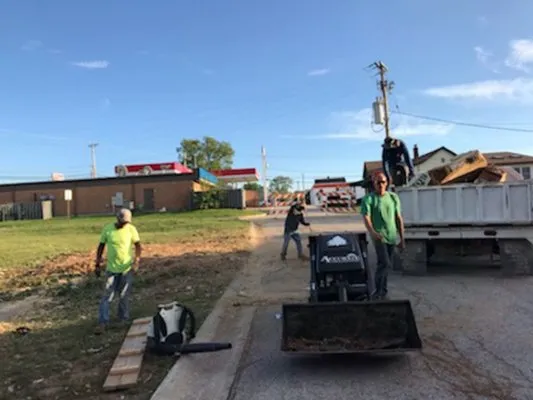
Accurate Tree and Landscaping is a family-owned tree service and landscaping company serving Ferguson, MO, and the greater St. Louis area since 1989. With over 28 years of experience, we specialize in...
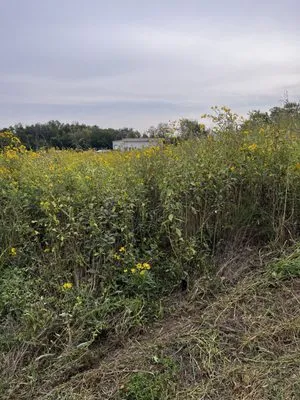
Watson & Co is a trusted, full-service design and construction firm right here in Sullivan, MO. We specialize in transforming outdoor living spaces and building durable, beautiful hardscapes. Our team...
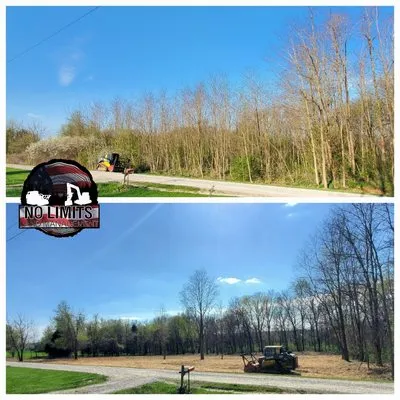
No Limits Land Management
As the owner of No Limits Land Management LLC in Foristell, MO, I bring over 13 years of hands-on experience in the forestry and land management industry. Married with four children, I've built this b...
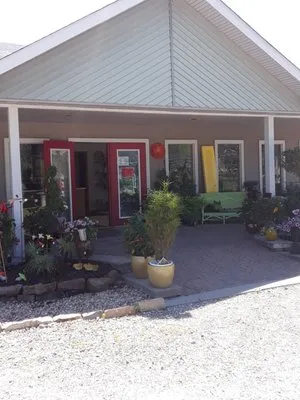
Town & Country Nursery is Dutzow's trusted partner for creating and maintaining beautiful, healthy outdoor spaces. For years, we've provided expert landscaping, irrigation, and plant care to homeowner...
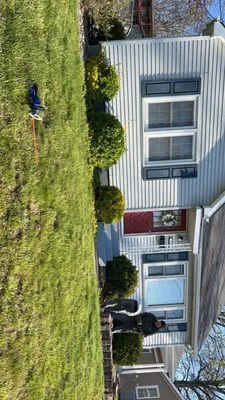
All Around Property Maintenance is your trusted Villa Ridge handyman and outdoor specialist. We help local homeowners protect and enhance their properties with a comprehensive range of services. From ...
Missouri Brush Control, based in Eureka, MO, specializes in environmentally sustainable forestry mulching for selective land clearing across eastern Missouri. Utilizing specialized equipment from bran...

St. Louis Tree Pros is a locally owned and operated tree care and landscaping service based in Valley Park, MO, serving the greater St. Louis region since 2015. Our team includes ISA Certified Arboris...
Estimated Landscaping Service Costs in Marthasville, MO
Questions and Answers
How quickly can you respond to storm damage that violates HOA landscape standards?
Emergency cleanup crews dispatch from the Katy Trail State Park Trailhead via MO-94, arriving within 45-60 minutes during peak response windows. This routing avoids residential congestion while maintaining compliance with standard daytime operating hours from 7am to 9pm. Immediate debris removal and turf stabilization prevent secondary damage while meeting neighborhood aesthetic requirements.
What permits and licenses are required for regrading my 0.35-acre property?
Significant grading work on a 0.35-acre lot requires both Warren County Planning & Zoning permits for erosion control and Missouri Department of Agriculture licensing for landscape contractors. The permit office reviews drainage plans to ensure compliance with runoff management standards, while state licensing verifies expertise in soil stabilization techniques. Professional certification demonstrates understanding of silt loam compaction characteristics and proper slope engineering for long-term stability.
What invasive species threaten Marthasville landscapes and how should they be treated?
Japanese stiltgrass and wintercreeper euonymus present significant threats to native plant communities in USDA Zone 6b. Manual removal before seed set combined with targeted herbicide applications during active growth phases provides effective control. All treatments follow Missouri Department of Agriculture non-phosphorus application guidelines and avoid blackout periods specified in state fertilizer ordinances. Regular monitoring prevents re-establishment of these aggressive species.
Why does my Marthasville Historic District lawn have poor drainage and thin grass despite regular care?
Properties built around 1985 in this neighborhood have approximately 41 years of soil development on silt loam. Over decades, foot traffic and equipment compaction reduce soil percolation rates below optimal levels for root growth. Core aeration every 2-3 years introduces oxygen channels while incorporating composted organic matter improves water retention in the 6.2-6.8 pH range. This addresses the gradual decline in soil structure common in established residential areas.
What solutions address moderate runoff on my sloping property?
Rolling topography combined with silt loam's moderate permeability creates runoff challenges during heavy precipitation. Installing permeable crushed limestone pathways and patios allows water infiltration while meeting Warren County Planning & Zoning runoff standards. French drains with clean aggregate redirect subsurface flow, and rain gardens planted with native species capture and filter stormwater before it reaches drainage systems.
Can I maintain healthy Tall Fescue while following voluntary water conservation guidelines?
Wi-Fi ET-based weather sensing irrigation calculates evapotranspiration rates specific to Marthasville's microclimate. This system applies water only when soil moisture drops below optimal levels for Tall Fescue root zones, typically reducing consumption by 30-40% compared to traditional timers. Programming accounts for silt loam's water-holding capacity while staying well within municipal water allocation limits during dry periods.
Is crushed limestone or wood better for patio construction in our fire-prone area?
Crushed limestone offers superior longevity and fire resistance compared to wood decking in Moderate WUI Zone 2 compliance areas. This material maintains structural integrity for decades without the decay, insect damage, or flammability concerns of organic materials. Properly installed crushed limestone creates defensible space by eliminating combustible surfaces near structures while providing excellent permeability that reduces runoff on sloping sites.
How can I reduce maintenance while preparing for tighter noise regulations?
Transitioning high-maintenance turf areas to native plantings like Purple Coneflower, Little Bluestem, Butterfly Milkweed, and Wild Bergamot creates self-sustaining ecosystems. These species require minimal irrigation once established and eliminate weekly mowing cycles from April through October. This approach anticipates stricter gas-powered equipment restrictions while providing year-round habitat for pollinators and reducing carbon emissions from maintenance fleets.
