Top Landscaping Services in Marshfield, MO, 65706 | Compare & Call
There are 109 landscaping companies server in Marshfield MO
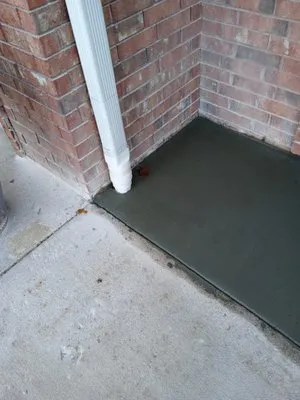
Cervi Landscaping And Outdoor Design is a full-service landscaping company serving homeowners in Springfield, MO. We specialize in solving common local landscaping challenges, such as yard erosion fro...
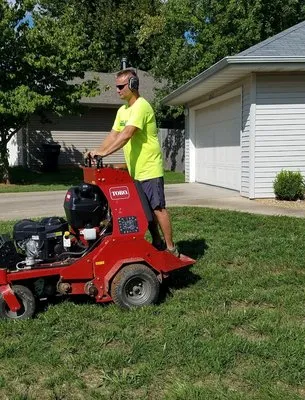
SutherLANDscape Lawn Services in Marshfield, MO, is a locally owned lawn care provider with deep roots in the community. Founded by Michael, who started mowing lawns with a push mower at age 15, the b...
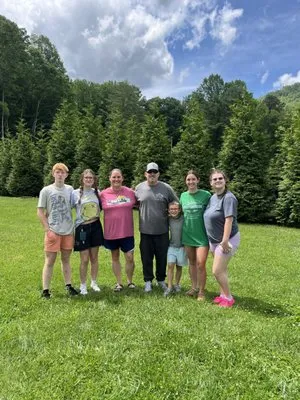
Rockrunner
Rockrunner is a trusted excavation and landscaping company serving Strafford, MO, and surrounding areas. We specialize in earthmoving, construction site preparation, and snow removal, helping homeowne...
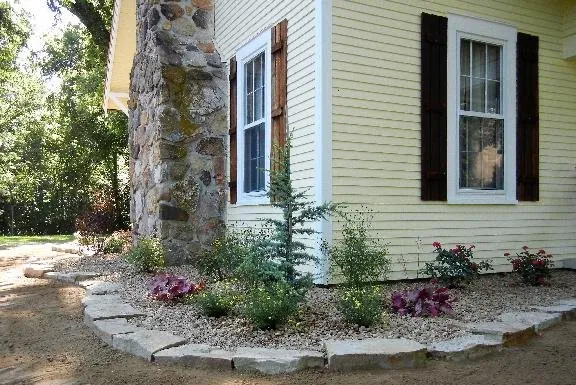
Custom Creations Landscaping & Lawn
Custom Creations Landscaping & Lawn is a family-owned business serving Marshfield, MO, since 2000. Founded by Kevin Runyon, this Christian-based company prioritizes quality and client relationships ab...
Get It Done Lawncare is your trusted local partner for maintaining healthy, beautiful lawns in Marshfield and the greater Springfield area. We provide dependable residential and commercial lawn care s...
Rays Classic Cuts Lawncare is a trusted local lawn service provider serving Brighton, MO homeowners with reliable and professional lawn care solutions. We understand that Brighton residents often face...
Cron Lawn Services provides reliable lawn care to Bolivar homeowners, addressing common local landscaping challenges like persistent weed infestations and overgrown shrubs. Our approach combines consi...

Detailed Mowing 417 is a Republic, MO-based landscaping company specializing in greenscape construction and comprehensive lawn care services. We help homeowners and businesses in the Republic area tac...
Mowman Lawn Care is a trusted, locally-owned lawn service provider serving homeowners across Springfield, MO. We understand the unique challenges Springfield yards face, from struggling shrubs to soil...

Burall Tree Service is a trusted, locally-owned business serving Reeds Spring, MO, and the surrounding areas. We specialize in comprehensive tree and lawn care, offering services like tree removal, pl...
Estimated Landscaping Service Costs in Marshfield, MO
Common Questions
Should we choose Ozark Sandstone or wood for our new patio?
Ozark Sandstone offers superior longevity with 50+ year lifespan compared to wood's 15-20 years. The non-combustible nature of stone provides better defensible space in Moderate Wildland-Urban Interface zones. Sandstone requires minimal maintenance and won't rot or attract insects. For fire-wise landscaping, maintain 5-10 feet of stone or gravel separation between structures and combustible vegetation.
We've spotted invasive species in our yard. How should we address this safely?
Common invasive alerts in Zone 6b include Japanese honeysuckle and wintercreeper euonymus. Manual removal followed by targeted herbicide application during active growth periods provides effective control. Always follow Missouri Department of Agriculture guidelines for pesticide use, avoiding application on impervious surfaces. Treatment timing should consider State BMP fertilizer blackout dates to prevent nutrient runoff into Karst systems.
Our yard has moderate runoff issues. What solutions work with Marshfield's Karst topography?
Karst topography requires careful drainage planning to prevent sinkhole formation. Permeable Ozark Sandstone or concrete pavers allow 30-50% more water infiltration than traditional hardscapes. These materials meet Marshfield Building & Zoning Department runoff standards while directing water away from foundations. French drains with gravel beds and dry creek beds provide additional runoff management in Clarksville-Coulstone soil types.
How can we maintain Tall Fescue turf while conserving water in Marshfield?
Wi-Fi ET-based weather sensing irrigation systems automatically adjust watering schedules using real-time evapotranspiration data. This technology reduces water use by 20-30% compared to traditional timers while keeping Kentucky-31 or Turf-Type Tall Fescue healthy. During Stage 0 water restrictions, these systems prevent overwatering by accounting for rainfall and soil moisture. Properly calibrated ET systems deliver 1-1.5 inches weekly during peak growing season.
Our yard seems compacted and drains poorly. Is this typical for older Marshfield homes?
Yes, this is common in the Marshfield Historic District where homes average 46 years old. Clarksville-Coulstone Cherty Silt Loam soil naturally compacts over decades, reducing permeability. The pH range of 5.5-6.5 indicates adequate acidity for most plants but requires annual core aeration to improve oxygen exchange. Adding 2-3 inches of composted organic matter each spring addresses compaction while maintaining soil structure.
We need emergency storm cleanup to meet HOA compliance deadlines. How quickly can you respond?
Our electric maintenance fleet can dispatch from the Webster County Courthouse area within 15-20 minutes during peak response times. We route via I-44 to minimize travel delays while adhering to municipal quiet hours. Emergency cleanup includes debris removal, branch trimming, and erosion control measures appropriate for Karst topography. This rapid response prevents HOA violations while addressing immediate safety concerns.
What permits and licenses are needed for grading our 0.25-acre lot?
Grading projects exceeding 100 cubic yards of earth movement require permits from the Marshfield Building & Zoning Department. Contractors must hold Missouri Department of Agriculture licensing for soil disturbance and erosion control. On 0.25-acre lots, professional licensing ensures proper slope stabilization and drainage planning for Karst topography. Always verify contractor credentials before beginning earthwork that could affect neighboring properties.
What low-maintenance alternatives exist for high-water turf areas?
Replacing turf with native plant communities reduces maintenance by 60-80%. Purple Coneflower, Little Bluestem, Butterfly Milkweed, and Aromatic Aster establish deep root systems that require minimal watering after establishment. These natives support 2026 biodiversity standards while eliminating gas-powered blower use during quiet hours. A phased conversion approach maintains visual appeal while transitioning to electric maintenance equipment.
