Top Landscaping Services in Marshall, MO, 65340 | Compare & Call

Legendary Landscape Design
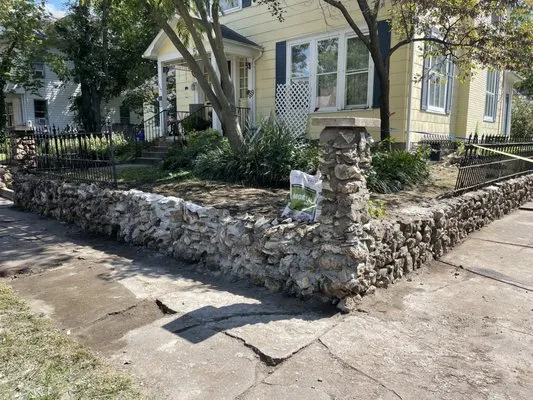
Legendary Landscape Design is a dedicated, full-service landscaping company serving the Marshall, MO community. We handle everything from initial creative design and planning to expert installation an...
Walsh Lawn Care is a trusted lawn service provider in Marshall, MO, dedicated to helping local homeowners maintain healthy, beautiful lawns. We specialize in comprehensive lawn care solutions that dir...
JT's Lawn Care is a trusted local lawn service provider in Marshall, MO, dedicated to helping homeowners maintain beautiful, healthy yards. We specialize in comprehensive lawn care solutions that addr...
J&RM Remodeling and Landscaping is a trusted local contractor in Marshall, MO, specializing in landscaping and general contracting services. We help Marshall homeowners tackle common outdoor challenge...

Hanks Lawn Care Services LLC is a trusted local provider in Marshall, MO, offering comprehensive outdoor solutions for residential properties. Specializing in landscape maintenance, snow removal, and ...
Tru-Truf Landscaping
Tru-Truf Landscaping is your trusted Marshall-based team for comprehensive yard care and design. We understand the common local challenges homeowners face, such as controlling yard erosion on our roll...
Tim the Helping Hand is your trusted local expert in Marshall, MO, specializing in lawn care, tree care services, and painting. Many homes in our community face common landscaping challenges like soil...
Springwater Greenhouse & Landscape
Springwater Greenhouse & Landscape is a trusted Marshall, MO business serving homeowners with expert solutions for landscaping and gardening needs. We specialize in helping local residents tackle comm...
Wise Tree Service is a trusted, locally-owned tree and lawn care provider serving Marshall, MO, and the surrounding communities. We specialize in comprehensive tree care services and professional lawn...
Frequently Asked Questions
Why does my Marshall lawn have drainage issues and compacted soil?
Marshall's Indian Foothills neighborhood was primarily developed around 1972, giving the soil approximately 54 years of maturation. Silt loam soil with pH 6.5-7.0 naturally compacts over decades of foot traffic and maintenance equipment use. This compaction reduces soil percolation rates, leading to the seasonal saturation observed in many lots. Core aeration combined with organic amendments like compost improves permeability and addresses the moderate runoff common in these established properties.
What permits and licenses are needed for grading my 0.25-acre lot?
Grading work on a 0.25-acre property in Marshall requires approval from the Marshall City Planning & Zoning Department for erosion control and drainage plans. Contractors must hold appropriate licensing through the Missouri Department of Agriculture, which regulates landscape installation and modification. Significant grade changes exceeding 12 inches typically need engineered plans to prevent off-site runoff impacts. Professional licensing ensures compliance with state best practices for soil stabilization and long-term landscape integrity.
Should I replace high-maintenance turf with native plants?
Transitioning from Kentucky Bluegrass to native species like Purple Coneflower, Butterfly Milkweed, Little Bluestem, and Rough Blazing Star reduces maintenance frequency and resource inputs. These plants thrive in USDA Zone 6b without weekly mowing or intensive irrigation, aligning with evolving noise ordinances that increasingly restrict gas-powered equipment. Native plantings support local pollinators while creating a resilient landscape that withstands Marshall's climate variability with minimal intervention.
How quickly can you respond to emergency storm damage for HOA compliance?
Our electric maintenance fleet operates within Marshall's standard noise ordinance restrictions, allowing dispatch from 7:00 AM onward. From our base near Indian Foothills Park, we route via US-65 to reach Indian Foothills properties within the 15-20 minute peak storm response window. This timing accommodates both emergency cleanup needs and typical HOA compliance deadlines for debris removal after weather events.
What solutions address moderate runoff in my silt loam yard?
Silt loam's moderate permeability contributes to seasonal saturation and runoff in Marshall properties. Installing permeable crushed limestone hardscape creates infiltration zones that meet Marshall City Planning & Zoning Department runoff standards. French drains with clean gravel bedding improve subsurface drainage, while rain gardens planted with native species like Purple Coneflower manage surface water. These combined approaches reduce erosion and prevent water from pooling near foundations.
How do I maintain Kentucky Bluegrass and Tall Fescue without violating water restrictions?
Marshall's current Stage 0 water status allows flexibility, but proactive conservation extends irrigation system longevity. Wi-Fi ET-based weather sensing irrigation calculates evapotranspiration rates specific to your 0.25-acre lot, delivering precise moisture to turfgrass root zones. This technology reduces water use by 20-30% compared to traditional timers while maintaining turf health. The system automatically adjusts for rainfall, preventing overwatering during Marshall's seasonal saturation periods.
Is crushed limestone better than wood for Marshall patios and pathways?
Crushed limestone offers superior longevity and permeability compared to wood in Marshall's climate. While wood requires replacement every 5-10 years due to moisture degradation, limestone maintains structural integrity for decades with minimal maintenance. The material's light color reflects heat, reducing urban heat island effect, and its permeability manages runoff effectively. For properties in low Firewise-rated urban interface zones, limestone provides defensible space without combustible materials near structures.
How do I manage invasive species without violating fertilizer regulations?
Common invasive alerts in Marshall include Japanese knotweed and Bradford pear seedlings, which compete with native vegetation. Treatment involves targeted herbicide applications during active growth phases, avoiding Missouri's prohibited application on frozen ground. Mechanical removal followed by soil amendment with mycorrhizae-rich compost helps restore ecological balance. Always verify treatment timing against state standard application best practices to prevent ordinance violations while effectively controlling invasives.
