Top Landscaping Services in Lone Jack, MO, 64070 | Compare & Call
There are 149 landscaping companies server in Lone Jack MO
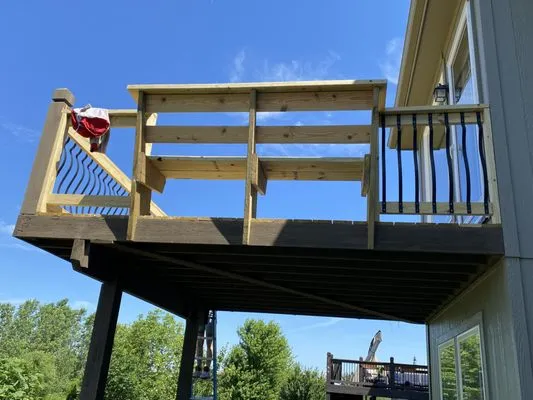
Marzman Property & Pool Maintenance is your trusted, full-service partner for enhancing and protecting your Grandview, MO, property. We specialize in a comprehensive range of services, from expert ele...
Premier Lawn Service is a disabled veteran-owned lawn care business serving Greenwood, MO, with over 30 years of industry experience. We specialize in mowing, aeration, and comprehensive lawn care, ap...
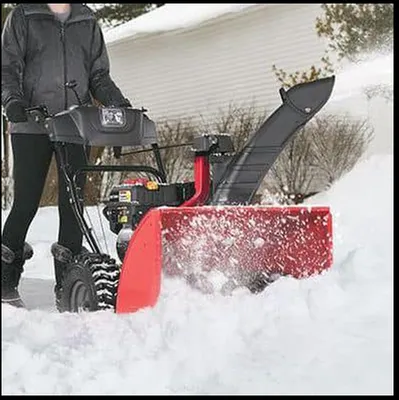
T&T Outdoor Services is a Belton, MO-based company specializing in comprehensive outdoor care, from seasonal snow removal to year-round landscaping and tree services. Our team of experienced professio...
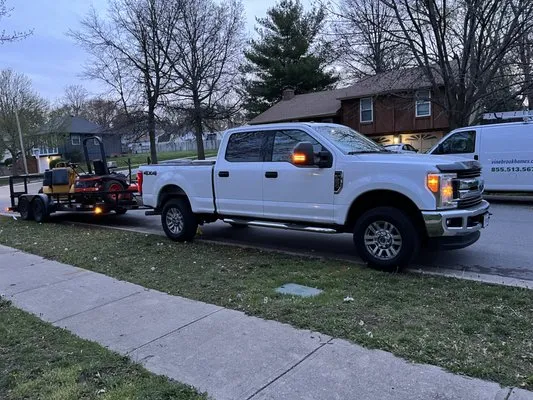
Serving Belton, D&J Lawn Service is your local partner for a healthier, more manageable yard. We understand the common challenges homeowners face here, from frustrating lawn insect damage to drainage ...
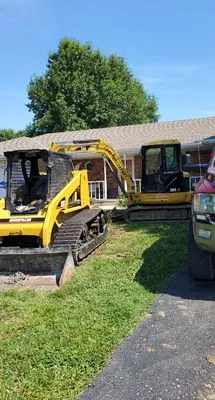
Carlton Dirt Work is a family-owned and operated business based in Holden, Missouri, dedicated to providing reliable and professional earthwork and construction services. We specialize in a comprehens...
Horne Lawn Care and Tree Trimming is a trusted local provider in Kansas City, MO, offering comprehensive lawn and tree services to keep your property healthy and beautiful. We specialize in lawn care,...
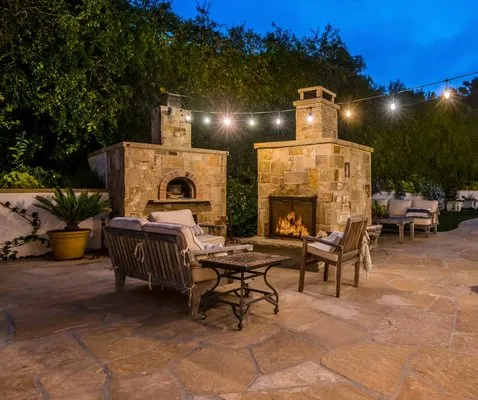
Immovable Masonry
Immovable Masonry Kansas City is a locally-owned masonry and hardscaping contractor serving Kansas City, Missouri, and the surrounding Jackson, Clay, Platte, and Cass counties. Our team of experienced...
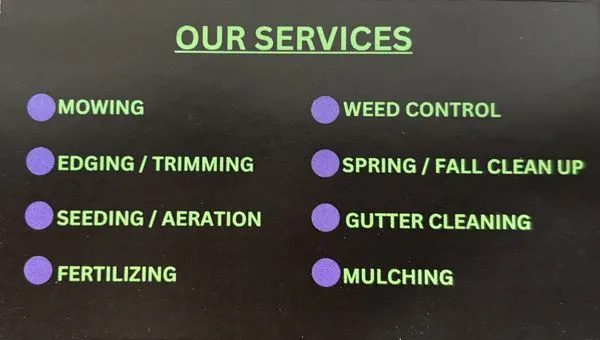
Level Change Lawn Care is a locally-owned lawn service provider in Clinton, MO, dedicated to solving common local landscaping issues. We specialize in comprehensive lawn care that directly addresses p...
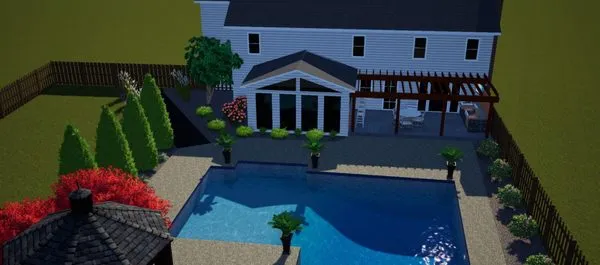
Nature's Carving is a locally-owned outdoor construction company in Warrensburg, MO, founded by a dedicated owner who balances running the business with family life on her farm. With 20 years of exper...
LMD Solutions is a trusted, owner-operated landscaping and hardscaping business serving Pleasant Hill and the Greater Kansas City area. With over 20 years of dedicated experience, we specialize in tra...
Estimated Landscaping Service Costs in Lone Jack, MO
FAQs
My lawn in the Historic District seems compacted and struggles to drain. Is this normal for a house built around 2004?
Yes, this is a predictable soil maturity issue. Homes constructed in 2004 have had 22 years for the original construction-grade subsoil to settle, creating a dense, impermeable layer. Lone Jack's prevalent silty clay loam is naturally prone to compaction, which impedes percolation and root growth. Core aeration every other fall, coupled with top-dressing compost, is essential to rebuild soil structure and integrate organic matter into the profile.
Is crushed limestone a good choice for a new patio, considering we're in a Moderate Fire Wise zone?
Crushed limestone is an excellent, non-combustible material for defensible space in Wildland-Urban Interface zones. Unlike wood decks, it provides a permanent, fire-resistant surface that suppresses vegetation and creates a barrier. Its permeability also aids in groundwater recharge, unlike solid pavers. For longevity and fire safety in Lone Jack's climate, it outperforms organic materials and requires minimal maintenance over its lifespan.
We want to regrade our half-acre lot. What permits and contractor qualifications should we verify?
Regrading a 0.50-acre parcel typically requires a land disturbance permit from Lone Jack City Hall Planning & Zoning to ensure proper erosion control and drainage. More critically, the contractor must hold appropriate licensing through the Missouri Department of Agriculture for soil and water conservation work. This ensures they are bonded, insured, and trained in best practices to prevent off-site sedimentation and comply with state environmental regulations.
How can I keep my Tall Fescue healthy without wasting water, especially if drought restrictions come back?
An ET-based smart irrigation system is the definitive solution. It uses local weather data to apply only the water lost to evapotranspiration, preventing overwatering in our silty clay soils. This technology can reduce potable water use by 20-30% while maintaining turf vigor, keeping you ahead of potential municipal limits. Properly calibrated, it adjusts runtime automatically for rainfall and humidity, aligning irrigation with actual plant need.
My yard holds water in spring. What's the best fix for this seasonal waterlogging in Lone Jack's clay soil?
Seasonal waterlogging is a direct result of low permeability in silty clay loam. The most effective long-term strategy integrates subsurface French drains with surface grading to direct water away from foundations. Using permeable crushed limestone for paths and patios instead of solid concrete reduces runoff volume. These solutions often require a grading permit from Lone Jack City Hall Planning & Zoning to ensure they meet local stormwater management standards.
I've spotted what looks like invasive Japanese knotweed. How do I handle it without breaking local fertilizer and pesticide rules?
Japanese knotweed is a high-priority invasive requiring immediate, professional treatment. Missouri's standard fertilizer ordinance prohibits application on impervious surfaces, but targeted herbicide injection by a licensed applicator is the accepted method for this pervasive species. Treatment must be timed outside of blackout dates for sensitive areas and followed by monitoring for several seasons. DIY attempts often worsen the infestation through improper dispersal.
We need an emergency cleanup after a storm to meet HOA compliance. What's your dispatch time to the Lone Jack Historic District?
Our primary route from the Lone Jack Civil War Battlefield uses US-50 for direct access, with a typical peak response window of 45-60 minutes for urgent calls. We coordinate with local weather alerts and stage electric equipment to comply with quiet hour ordinances, allowing for immediate deployment. This logistics plan ensures we can address downed limbs and debris swiftly to restore property safety and aesthetics.
I'm tired of weekly mowing and gas equipment noise. What's a quieter, lower-maintenance alternative to my lawn?
Transitioning sections of turf to a native plant community is the strategic answer. Species like Purple Coneflower, Little Bluestem, and Butterfly Milkweed are adapted to Zone 6b, requiring no irrigation or weekly mowing once established. This xeriscaping approach significantly reduces maintenance, eliminates gas-blower noise, and provides critical habitat. It's a forward-looking adaptation to evolving noise ordinances and biodiversity goals for 2026.
