Top Landscaping Services in Lake Winnebago, MO, 64034 | Compare & Call
There are 154 landscaping companies server in Lake Winnebago MO
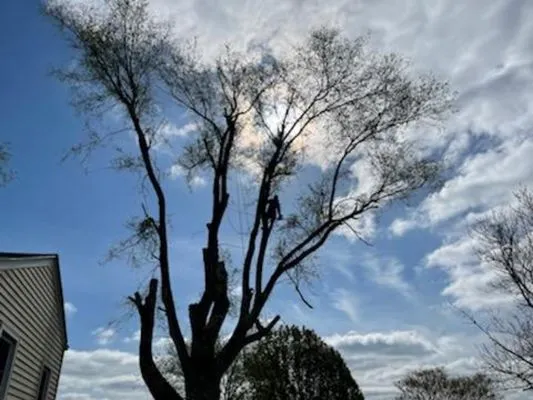
Integrity Lawn and Tree is a trusted, full-service provider in Lowry City, MO, dedicated to enhancing and protecting your outdoor spaces. We specialize in comprehensive tree services including pruning...
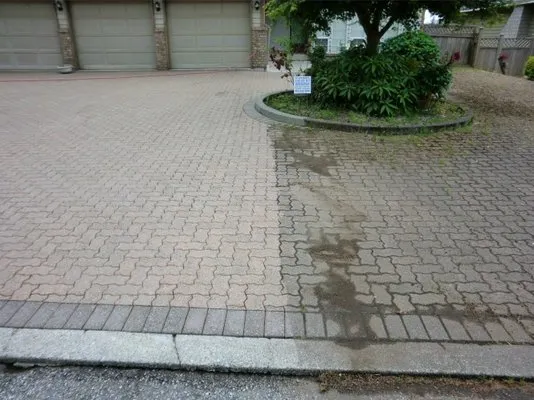
Two Knights Dream Pressure Washing is a family-owned and operated business serving Belton, MO, born from years of combined experience in construction and customer service. We decided to bring our skil...
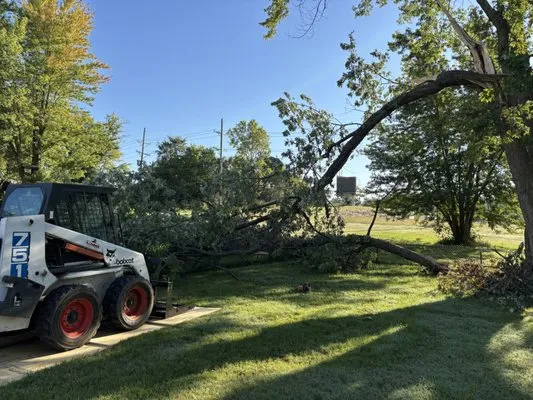
Riffle in Pleasant Hill, MO is a locally owned and operated landscaping company that has been proudly serving the community since 2020. Licensed and insured, we specialize in tree services, landscapin...

Overtime Lawncare is a dedicated lawn service provider serving Lee's Summit, MO, specializing in comprehensive lawn care solutions. We understand that many local homeowners face common landscaping cha...

Calco Lawn Service is a trusted local lawn care provider serving Oak Grove, MO, and surrounding areas. We specialize in comprehensive lawn care solutions designed to address common local landscaping c...

At 2Chix Cleaners in Kansas City, we understand life gets busy. We handle the cleaning tasks you don't have time for or simply don't want to do. From houses, basements, and garages to attics and yards...
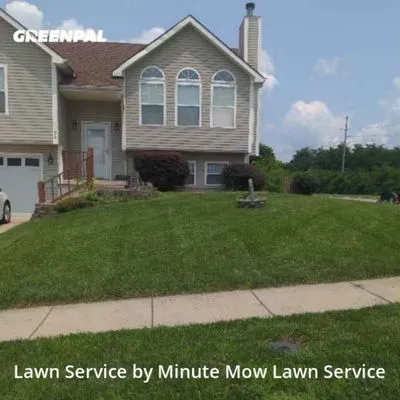
For over 25 years, my passion for lawn care has grown from push-mowing as a teenager to running my own service in Independence. I spent years learning the trade while working for established lawn prof...
M&C Hardscaping is your trusted local partner for a beautiful and healthy outdoor space in Greenwood, MO. We specialize in comprehensive landscape maintenance and expert tree care services. Our team u...
Lawn View Lawn Care is your trusted local lawn service provider in Greenwood, MO. We specialize in comprehensive lawn care, helping homeowners achieve and maintain a healthy, vibrant yard. We understa...
Royal Lawn Service is your trusted, locally-owned lawn care provider in Lake Winnebago, MO. We understand the unique challenges homeowners face here, from persistent weeds overtaking mulch beds to fru...
Estimated Landscaping Service Costs in Lake Winnebago, MO
FAQs
What are my options for reducing lawn maintenance while supporting local ecology?
Replacing high-maintenance turf with native plantings like Purple Coneflower, Little Bluestem, and Butterfly Milkweed creates habitat while cutting mowing frequency by 70-80%. These species thrive in Zone 6a with minimal irrigation once established, aligning with 2026 biodiversity standards. Transitioning to electric maintenance equipment avoids future gas-blower restrictions under noise ordinances. A phased approach over 2-3 seasons allows soil adaptation and provides continuous pollinator resources throughout the growing season.
Why does my Lake Winnebago yard have such dense, slow-draining soil that seems to repel water?
Lake Winnebago Residential District properties built around 1980 have silty clay loam soil that has compacted over 46 years of development. This soil type naturally has low permeability, and decades of foot traffic, construction equipment, and minimal organic input have reduced pore space. Core aeration every 2-3 years is essential to break up compaction and improve water infiltration. Adding 1-2 inches of compost annually builds soil structure and supports microbial activity for healthier turf and planting beds.
How quickly can you respond to an emergency tree cleanup after a storm in my neighborhood?
Our electric fleet can dispatch from Lake Winnebago City Hall via MO-291 within 20-30 minutes during peak response times. This routing avoids residential congestion while complying with municipal quiet hours from 7:00 AM to 9:00 PM. We prioritize HOA compliance issues and storm damage, bringing chippers and loaders that operate within noise ordinances. The 0.45-acre lot size typical in your district allows efficient access and debris removal without disturbing adjacent properties.
How should I handle invasive species like Japanese knotweed without breaking fertilizer regulations?
Japanese knotweed and other invasives require targeted treatment during active growth phases, typically late spring through early fall. Spot applications of glyphosate to foliage avoid soil contamination and comply with Missouri Department of Agriculture BMPs prohibiting application to impervious surfaces. Manual removal before seed set reduces chemical needs. Always check local blackout dates for fertilizer applications, and consider soil testing first to address underlying conditions that favor invasives over native species.
Are concrete pavers or wood decking better for longevity and fire safety in our area?
Concrete pavers and native limestone offer superior longevity with 25+ year lifespans versus wood's 10-15 years in Missouri's freeze-thaw cycles. These non-combustible materials maintain Low Fire Wise Rating compliance by creating defensible space without fuel accumulation. Properly installed with geotextile fabric and compacted base, they resist frost heave in silty clay loam. Unlike wood, they don't require chemical treatments that can leach into soil, making them more compatible with native plantings and soil health objectives.
How can I maintain my Tall Fescue lawn during dry spells without violating water conservation guidelines?
Smart Wi-Fi ET-based controllers adjust irrigation schedules daily using local evapotranspiration data, reducing water use by 20-30% compared to traditional timers. These systems apply 1-1.5 inches weekly during peak growth, matching Tall Fescue's needs while staying within voluntary conservation limits. Programming deep, infrequent watering at dawn minimizes evaporation and fungal issues. Regular soil moisture monitoring ensures you're not overwatering silty clay loam, which retains moisture longer than sandy soils.
What permits and licenses are needed for regrading my 0.45-acre property?
Grading projects altering drainage patterns require a permit from Lake Winnebago City Hall Planning Department, with engineered plans showing pre- and post-construction runoff calculations. Contractors must hold Missouri Department of Agriculture licensing for soil disturbance exceeding 500 square feet. On 0.45-acre lots, this typically triggers review due to potential impacts on neighboring properties and stormwater systems. Professional licensing ensures compliance with state BMPs for erosion control and prevents violations that could result in fines or required restoration.
What's the best solution for seasonal ponding in my low-lying backyard areas?
Seasonal ponding in Lake Winnebago's riparian zones indicates poor percolation through silty clay loam. Installing French drains with clean gravel and perforated pipe redirects subsurface water away from foundations. For hardscape areas, permeable concrete pavers or native limestone set with open-graded base materials increase infiltration by 40-50%. These solutions meet Lake Winnebago City Hall Planning Department runoff standards while preventing soil saturation that damages turf roots and promotes anaerobic conditions.
