Top Landscaping Services in Lake Lotawana, MO, 64034 | Compare & Call
There are 184 landscaping companies server in Lake Lotawana MO
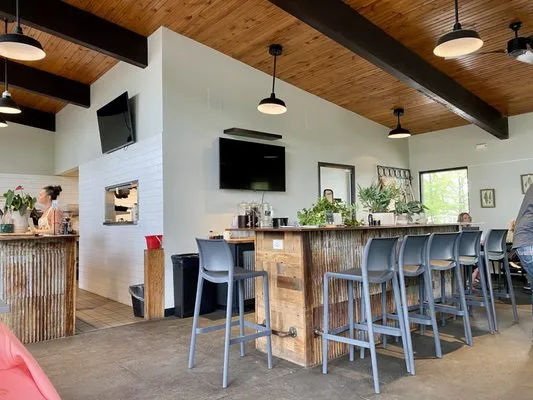
For over five decades, Colonial Gardens has been a cornerstone of Eastern Jackson County, serving Blue Springs, MO, and surrounding areas. More than just a garden center, we are a comprehensive agrito...
Summit Farms is a trusted local landscaping supply company in Lee's Summit, MO, specializing in bulk materials for residential and commercial projects. We provide essential products like fill dirt, to...
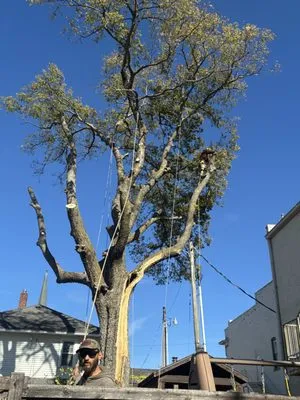
Anderson Tree And Outdoor is a trusted Blue Springs, MO provider of comprehensive tree care, landscaping, and snow removal services. We specialize in tree pruning, removal, planting, and stump grindin...
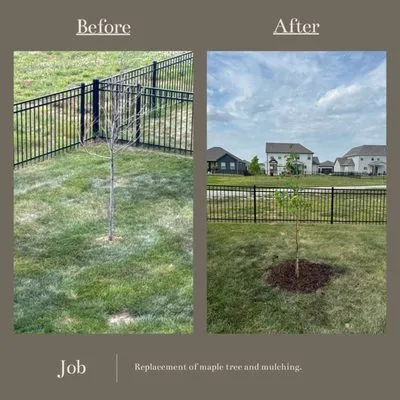
Urban Oasis KC is a veteran-owned landscaping and garden care business based in Kansas City, MO. We are dedicated to serving our community with a commitment to reliability and quality that goes above ...
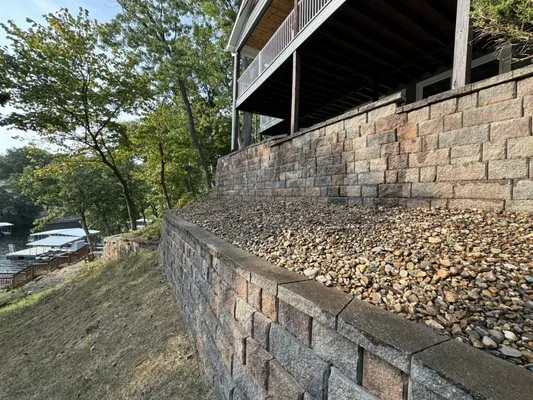
Threshers Land Services is a full-service landscaping, excavation, and flooring company serving Independence, MO. We specialize in comprehensive solutions for residential and commercial properties, in...
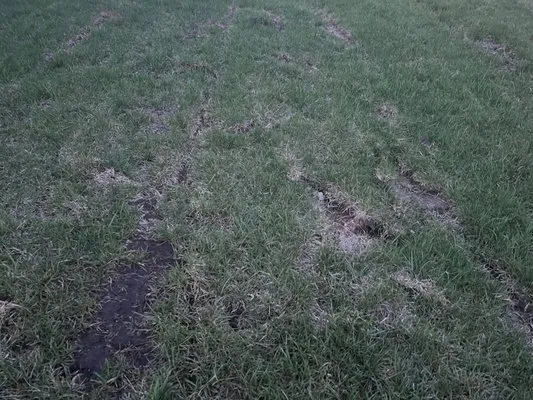
Founded on the principle of making high-quality landscaping accessible, Blue Cedar Landscape in Raymore, MO, has built its reputation on delivering comprehensive, reliable service. We provide a full s...
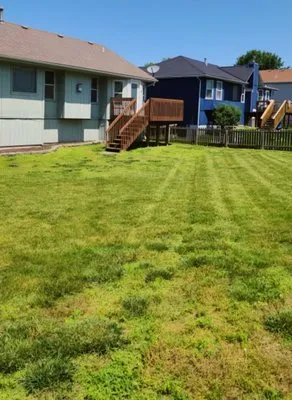
K&D Elite Lawn Care is a Kansas City-based organic lawn service founded in 2024, specializing in personalized care plans for residential and commercial properties. We focus on sustainable practices us...
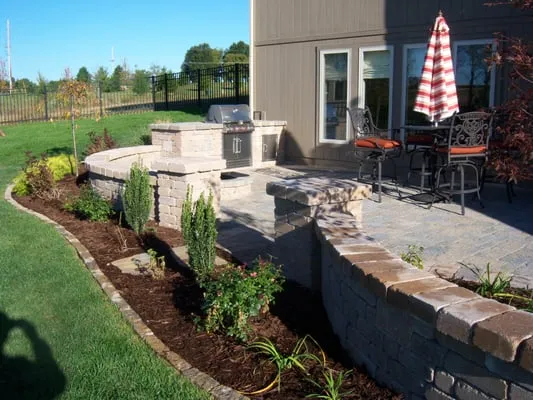
Outdoor Escapes
At Outdoor Escapes in Blue Springs, MO, we believe in creating 'paradise in your own backyard.' As a Christian-owned and operated landscape contractor with over 20 years of experience, our journey beg...

EarthScapes of Liberty is a family-owned landscaping business that has served Liberty, MO, and the greater Kansas City area since 2002. Founded as a seeding and erosion control specialist, the company...
MVL Services is a Kansas City-based, locally owned masonry and concrete company dedicated to solid craftsmanship and clear communication. We handle projects from new installations of driveways and ret...
Estimated Landscaping Service Costs in Lake Lotawana, MO
Frequently Asked Questions
Why does my Lake Lotawana Proper yard have such compacted soil that struggles to drain?
Lake Lotawana Proper lots average 43 years of development since 1983 construction, allowing soil to mature into dense silt loam with pH 6.5-7.2. Decades of foot traffic and conventional maintenance have reduced permeability, creating clay-heavy subsoil layers that impede water movement. Core aeration every 1-2 years with organic compost amendments addresses this compaction by increasing pore space and microbial activity. This approach restores soil structure more effectively than surface treatments alone.
What invasive species should I watch for and how do I treat them safely?
Japanese knotweed and wintercreeper present significant invasive risks in Lake Lotawana's Zone 6b environment. Treatment requires careful timing outside Missouri BMP guideline blackout periods when ground isn't frozen. Mechanical removal combined with targeted herbicide applications during active growth phases proves most effective. Always verify treatment windows with local extension services to avoid ordinance violations while protecting native plant communities.
What permits and licenses are needed for grading work on my 0.35 acre lot?
Grading on 0.35 acres requires Lake Lotawana City Hall Planning & Zoning approval for erosion control and drainage plans. Contractors must hold Missouri Department of Commerce & Insurance licensing through the Division of Professional Registration. This ensures compliance with state BMP guidelines regarding slope stabilization and runoff management. Unlicensed work risks significant fines and may void property insurance coverage for related damage.
What's the best solution for moderate runoff issues in my silt loam yard?
Silt loam's moderate permeability combined with clay-heavy subsoil creates persistent runoff challenges in Lake Lotawana. Permeable concrete pavers installed with proper base layers increase infiltration rates by 50-80% compared to conventional surfaces. This approach meets Lake Lotawana City Hall Planning & Zoning runoff standards while addressing the underlying soil limitations. Strategic placement in high-traffic areas maximizes drainage improvement across the property.
How can I reduce maintenance while preparing for potential gas equipment restrictions?
Transitioning high-maintenance turf to native plantings like Purple Coneflower, Butterfly Milkweed, Little Bluestem, and Wild Bergamot creates resilient landscapes. These species require minimal irrigation, no regular mowing, and support local pollinators while establishing naturally. This approach reduces dependency on gas-powered equipment ahead of potential noise ordinance expansions, creating self-sustaining ecosystems that thrive in Zone 6b conditions.
Should I worry about water restrictions affecting my Tall Fescue lawn in Lake Lotawana?
Lake Lotawana maintains voluntary conservation rather than mandatory restrictions, but Wi-Fi ET-based weather sensing irrigation provides proactive compliance. These systems calculate evapotranspiration rates using local weather data to apply only necessary water volumes. This technology preserves Tall Fescue health while reducing municipal water consumption by 20-40% compared to traditional timer-based systems, aligning with regional conservation goals.
How quickly can you respond to an emergency tree cleanup after a storm in Lake Lotawana?
Emergency storm response typically requires 25-40 minutes during peak conditions from our dispatch near Lake Lotawana Dam. Crews travel US-50 to reach Lake Lotawana Proper, adhering to the 7am-9pm noise ordinance window for gas equipment operation. This routing accounts for typical traffic patterns while maintaining compliance with municipal restrictions on after-hours disturbance.
Are permeable concrete pavers better than wood for durability and fire safety?
Permeable concrete pavers offer superior longevity with 25+ year lifespans versus wood's 10-15 years in Missouri's climate. Their non-combustible nature supports Moderate WUI Zone 2 fire-wise compliance by creating defensible space without fuel accumulation. Unlike wood, they resist moisture damage from Lake Lotawana's variable conditions while maintaining drainage functionality. This makes them both practical and regulatory-advantageous for high-risk zones.
