Top Landscaping Services in Knob Noster, MO, 65336 | Compare & Call

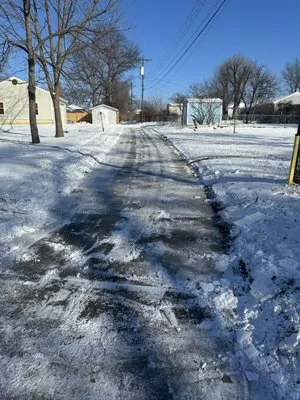
J&J Mow & Snow is a Knob Noster lawn care and snow removal service, operated by a local father and University of Central Missouri graduate with over 11 years of community roots. As a fellow resident a...

Williams Lawn Service is a trusted local lawn care provider serving Knob Noster, MO, and surrounding areas. Specializing in comprehensive lawn care solutions, we help homeowners maintain healthy, vibr...
Common Questions
What permits and licenses are required for significant landscaping changes on our quarter-acre lot?
Grading work exceeding 100 cubic yards of soil movement requires a permit from Knob Noster City Hall Planning & Zoning. Contractors must hold appropriate licensing through the Missouri Department of Agriculture for pesticide application and certain structural modifications. On 0.25-acre properties, even modest elevation changes can affect drainage patterns across property lines, necessitating professional surveys. Always verify contractor credentials match the specific scope of work to ensure compliance with local and state regulations.
Water pools in our yard after heavy rains. What drainage solutions work with Knob Noster's soil conditions?
Moderate runoff issues in silt loam soils often stem from clay subsoil compaction that limits permeability. Installing French drains with proper slope gradients redirects subsurface water away from foundations. For hardscape areas, concrete pavers with permeable jointing materials or crushed limestone bases increase infiltration rates. These approaches meet Knob Noster City Hall Planning & Zoning runoff standards while addressing the specific drainage hazards common in this soil type.
Should we use concrete pavers or wood for our new patio considering long-term durability?
Concrete pavers offer superior longevity in Knob Noster's climate, with 25+ year lifespans compared to wood's 10-15 years with maintenance. The non-combustible nature of concrete and crushed limestone materials supports WUI Zone 2 defensible space requirements by creating firebreaks around structures. Properly installed paver systems with geotextile underlayment prevent weed penetration while maintaining permeability for stormwater management. These materials withstand freeze-thaw cycles better than wood in USDA Zone 6b conditions.
How can we maintain our Tall Fescue lawn while following water conservation guidelines?
Wi-Fi ET-based weather sensing irrigation systems calculate evapotranspiration rates using local weather data. This technology adjusts watering schedules automatically, applying only the moisture Tall Fescue requires during its active growth period from April through October. Despite voluntary conservation status in Knob Noster, these systems typically reduce water usage by 30-50% compared to traditional timers. Proper calibration ensures deep root development while staying well within municipal water system capacities.
We've noticed invasive plants spreading. How should we address them without harming our landscape?
Common invasive species in Zone 6b include Japanese honeysuckle and wintercreeper euonymus. Manual removal during early growth stages prevents seed dispersal. For established infestations, targeted herbicide applications during dormancy periods avoid conflicts with Missouri's nutrient management guidelines. Always verify treatment timing against local ordinance blackout dates. Regular monitoring and prompt intervention prevent invasive species from compromising the ecological balance of your native plant communities.
Our yard has been struggling since we moved in. How does the age of our property affect soil quality in Knob Noster City Center?
Properties built around 1989 have approximately 37 years of soil development. In Knob Noster's silt loam soils, this duration typically results in moderate compaction from foot traffic and equipment. The pH range of 6.2-6.8 indicates adequate acidity for most plants, but clay subsoil layers common in this neighborhood restrict root penetration and water infiltration. Core aeration every 2-3 years combined with organic amendments like composted leaf mold can improve soil structure and microbial activity.
What alternatives exist for reducing lawn maintenance while supporting local ecology?
Transitioning sections of Tall Fescue to native plant communities featuring Purple Coneflower, Little Bluestem, and Butterfly Milkweed significantly reduces mowing and watering requirements. These species establish deep root systems that improve soil structure and require no fertilization once established. As municipalities increasingly restrict gas-powered equipment noise, native plantings provide quiet, low-maintenance landscapes that support pollinators and comply with WUI Zone 2 fire-wise ratings through reduced fuel loads.
We need emergency storm cleanup to meet HOA compliance deadlines. How quickly can you respond to our property?
Emergency response from Knob Noster State Park via MO-23 typically requires 20-30 minutes during peak conditions. Our dispatch prioritizes routes that avoid congestion near the city center. For HOA compliance situations, we coordinate with property managers to schedule immediate debris removal within noise ordinance hours of 7:00 AM to 9:00 PM. Electric equipment deployment minimizes startup delays compared to traditional gas-powered alternatives.
