Top Landscaping Services in Kimberling City, MO, 65686 | Compare & Call

There are 60 landscaping companies server in Kimberling City MO

Fine Trims Landscaping is a trusted local provider of comprehensive tree and landscaping services in Battlefield, MO. We specialize in both residential and commercial projects, offering everything fro...
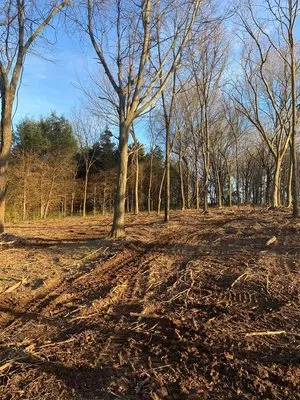
T and D Land Management is a family-owned excavation and landscaping company serving Springfield, MO, and surrounding Southwest Missouri communities. With years of hands-on experience, we specialize i...

Creation Lawn & Landscape is a trusted Springfield, MO provider specializing in comprehensive lawn services and irrigation solutions. With expertise in irrigation construction, design, repair, and mai...

Hansen's Tree Service - Springfield, MO / Branson, MO
Hansen's Tree Service is a locally-owned and operated company serving the greater Springfield, Branson, and Reeds Spring areas since 1988. With a team of 10 ISA-certified arborists and a fleet of 75 t...
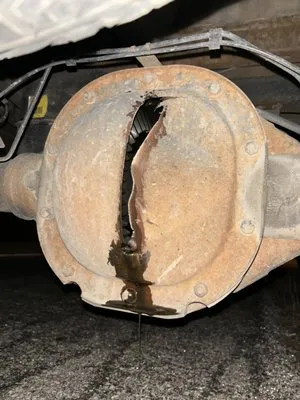
Glade Top Auto & Handyman is your trusted local solution in Ava, MO, for keeping your home and vehicles running smoothly. Founded by a professional with over 20 years of combined experience in constru...
Carr Excavating & Landscaping has been a trusted family-owned business serving Galena, MO, since 2003. We specialize in excavation and trench digging, focusing on quality work, honesty, and clear comm...

ForeverLawn of the Ozarks serves Springfield, MO, and the surrounding area with expert artificial turf installation and comprehensive landscaping services. We specialize in creating durable, low-maint...
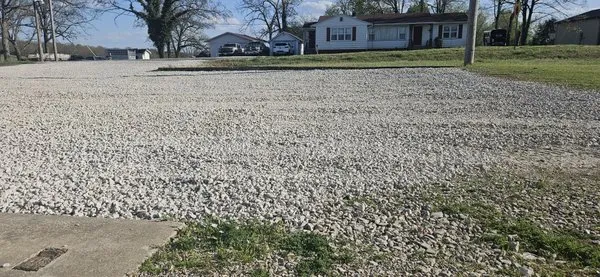
Corey Carr & Sons Excavating
Corey Carr & Sons Excavating is a family-owned and operated business serving Spokane, MO, and the surrounding areas with over 20 years of local experience. We specialize in comprehensive excavation, l...
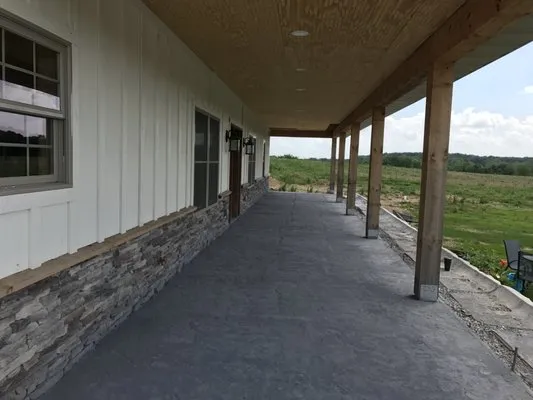
CJ's Lawn & Landscape is a locally owned and operated lawn and landscape company serving Nixa, MO, with over 20 years of experience. We specialize in comprehensive outdoor services, including irrigati...
For over a decade, Mower Magic has been the trusted lawn care provider for Republic, MO, blending professional expertise with Christian values. We specialize in dependable lawn mowing, landscaping, an...
Estimated Landscaping Service Costs in Kimberling City, MO
Q&A
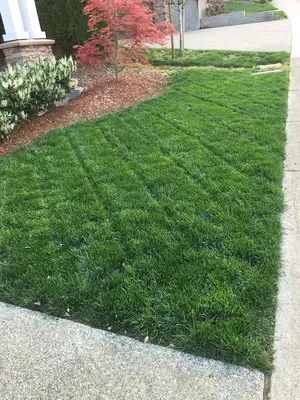
How can we maintain Tall Fescue turf during dry spells without violating water conservation guidelines?
Wi-Fi ET-based weather sensing irrigation systems automatically adjust watering schedules based on real-time evapotranspiration data. These systems typically reduce water usage by 20-30% compared to traditional timers while preserving Tall Fescue health. During voluntary conservation periods, programming deeper, less frequent watering encourages deeper root growth. This approach maintains turf quality while staying well within municipal water use expectations for Kimberling City properties.
We've spotted invasive Japanese Knotweed spreading from a neighboring property. How do we treat it safely?
Japanese Knotweed requires targeted herbicide application during active growth periods, avoiding state BMP guideline blackout dates when ground is frozen. Professional treatment combines foliar applications with root barrier installation to prevent re-establishment. This approach minimizes chemical use while effectively controlling spread without violating local fertilizer ordinances. Regular monitoring for other invasives like Bradford pear volunteers should accompany any treatment program in Kimberling City's moderate fire risk zones.
We need emergency storm cleanup before an HOA inspection tomorrow. What's your fastest response time to Kimberling Hills?
Our electric maintenance fleet can dispatch from the Kimberling City Bridge area within 30 minutes during peak conditions. The route via MO-13 to Kimberling Hills typically takes 20-30 minutes depending on traffic. We prioritize emergency cleanup services that comply with standard noise ordinances while addressing immediate safety hazards. This timeframe allows for thorough debris removal and temporary stabilization of affected landscape areas.
We want to regrade our 0.35-acre lot to improve drainage. What permits and professional requirements apply?
Grading work on 0.35-acre Kimberling Hills properties requires a permit from the Kimberling City Planning & Zoning Department, particularly when altering water flow patterns in karst topography. Missouri Department of Commerce & Insurance licensing ensures contractors understand local sinkhole risks and proper erosion control measures. Significant earth movement exceeding 50 cubic yards typically triggers additional review for slope stability. Professional landscape architects licensed in Missouri can design solutions that meet both functional needs and regulatory requirements for your property size.
Our Kimberling Hills yard has compacted soil that won't absorb water. What's the root cause for our acidic Cherty Silt Loam?
Kimberling Hills properties built around 1985 have 41-year-old soil systems that typically compact over time. Acidic Cherty Silt Loam with pH 5.5-6.5 naturally develops poor permeability in this karst topography. Core aeration every 2-3 years combined with organic amendments like composted leaf litter improves soil structure. This treatment increases water infiltration while maintaining the slightly acidic conditions preferred by many Ozark natives.
We want to reduce lawn maintenance and prepare for potential gas-blower restrictions. What native alternatives work here?
Replacing high-maintenance turf with Purple Coneflower, Butterfly Milkweed, and Little Bluestem creates resilient landscapes that require minimal intervention. These natives thrive in USDA Zone 6b conditions with acidic Cherty Silt Loam, needing only seasonal attention rather than weekly mowing. Transitioning to electric maintenance equipment now positions properties ahead of evolving noise ordinances. This approach reduces fuel consumption while supporting local pollinator populations through thoughtful plant selection.
Water pools near our foundation after heavy rains. What drainage solutions work with our karst topography and sinkhole potential?
High runoff in Cherty Silt Loam requires permeable solutions that direct water away from structures while respecting karst vulnerabilities. Native Ozark Fieldstone dry creek beds provide natural drainage channels that meet Kimberling City Planning & Zoning Department runoff standards. These systems allow gradual water infiltration rather than rapid drainage that could trigger subsurface erosion. Proper grading with 2% slope away from foundations complements these features for comprehensive water management.
We're considering a patio expansion. How does Native Ozark Fieldstone compare to wood for longevity and fire safety?
Native Ozark Fieldstone offers superior longevity with minimal maintenance compared to wood alternatives that degrade in Missouri's humid summers. This material supports WUI Zone 2 compliance by creating defensible space without combustible elements. Fieldstone's thermal mass provides natural temperature regulation while its permeability supports drainage requirements. For properties in moderate fire risk areas, stone hardscapes maintain their integrity and appearance for decades with only occasional joint sand replenishment.
