Top Landscaping Services in Jennings, MO, 63121 | Compare & Call
There are 162 landscaping companies server in Jennings MO
GoGreen Landscape is a trusted local landscaping company serving Florissant, MO, dedicated to helping homeowners maintain healthy, beautiful outdoor spaces. We specialize in addressing common local la...
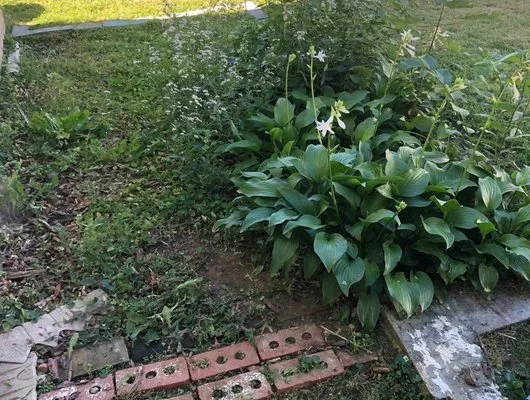
Brian Lawn Mowing and Snow Removal is a trusted, locally-owned service provider in Saint Louis, MO, dedicated to keeping your property looking its best year-round. We specialize in comprehensive lawn ...

Stringer Lawn Care is a trusted lawn service provider serving St. Louis, MO, specializing in comprehensive lawn care solutions. We understand the unique challenges St. Louis homeowners face, such as s...
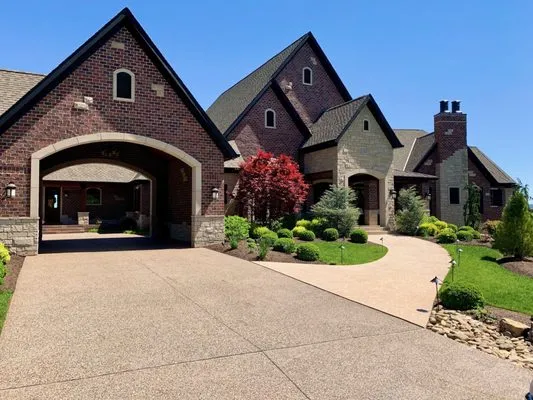
For over 40 years, Action Landscaping Inc. has been a trusted, family-owned and operated business rooted in Imperial, MO. It all started in 1981 from a home office and barn, with just two mowers and a...

Bow Man Mulching is a Saint Louis-based landscaping and tree service company dedicated to enhancing and maintaining the beauty of local properties. Specializing in landscape construction, maintenance,...
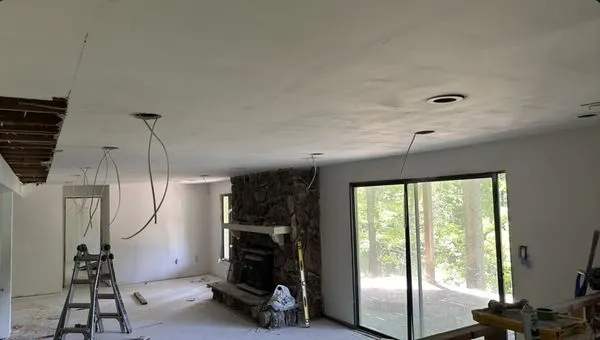
K&J Landscape and Water is a trusted, locally-owned landscaping company serving University City, MO, and surrounding areas. We specialize in diagnosing and solving common local yard problems like faul...
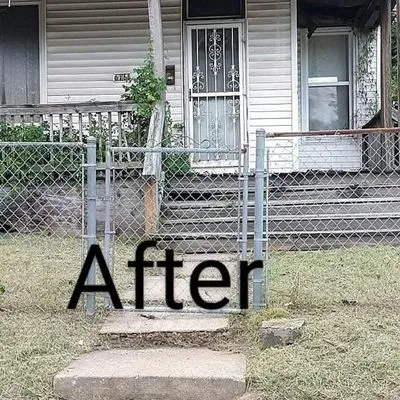
Stl Elite Services is a family-owned, veteran-operated business in St. Louis, MO, founded by an Army veteran who grew up helping his parents with lawn care and landscaping. After serving in Germany, h...
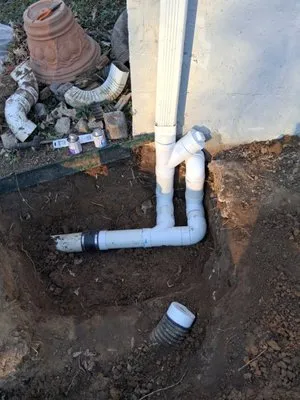
Greenstone Landscaping is a locally owned and operated landscaping company serving Saint Louis County since 2003. We specialize in durable, functional outdoor solutions with a focus on retaining walls...
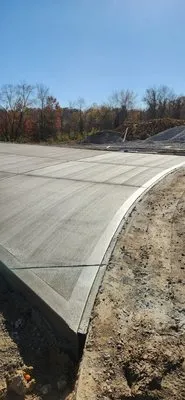
Plush Property Solutions is a Saint Louis-based landscaping and masonry company dedicated to enhancing residential properties through comprehensive outdoor solutions. We specialize in everything from ...
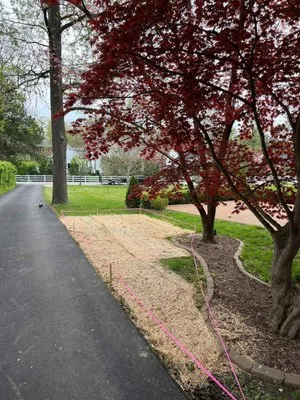
Based in Imperial, MO, JE Lawn is a licensed and insured lawn care company serving residential and commercial properties across the Saint Louis area. With over a decade of hands-on experience, the tea...
Estimated Landscaping Service Costs in Jennings, MO
FAQs
How quickly can you respond to an emergency like storm damage or an HOA violation notice?
Our emergency cleanup crew dispatches from our staging area near Koeneman Park. Using I-70, we can typically reach most Jennings Station addresses within 20-30 minutes during peak hours. We prioritize securing hazardous limbs and clearing driveways to meet immediate safety and compliance deadlines. All response vehicles are electric, allowing us to operate within the city's 7:00 AM to 9:00 PM noise ordinance window without restriction.
My yard floods after heavy rain. What's the solution?
Moderate runoff is typical here due to the silt loam topsoil over a dense clay subsoil. The primary fix is improving soil permeability through aeration and adding organic matter. For hardscape areas, consider replacing solid concrete with permeable concrete pavers, which allow water infiltration and can help meet the City of Jennings Planning & Zoning Department's stormwater management standards. A French drain or dry creek bed may also be necessary to direct water away from foundations.
Why does my soil seem so hard and lifeless?
Your property, like many in the Jennings Station neighborhood, dates to the 1950s construction boom. A 70-year-old urban lot has compacted silt loam soil, which forms a dense layer that restricts root growth and water percolation. This compaction, common with heavy foot traffic and older construction practices, reduces soil oxygen and microbial activity. Core aeration and incorporating 2-3 inches of composted organic matter are critical first steps to rebuild soil structure and fertility.
What permits or licenses are needed for regrading my yard or installing a drainage system?
Any significant grading or drainage work that alters water flow requires a permit from the City of Jennings Planning & Zoning Department. On a 0.22-acre lot, improper grading can impact neighboring properties, making professional oversight critical. The contractor must hold appropriate licensing, typically through the St. Louis County Department of Public Health, which ensures they understand local soil and water regulations. This protects you from liability and ensures the work meets municipal code.
What are the biggest weed threats and how do I manage them safely?
In established Jennings lawns, invasive species like crabgrass, nimblewill, and violets are common. Management begins with proper mowing height for Tall Fescue (3.5-4 inches) to shade out weeds. For targeted control, use post-emergent herbicides carefully, always adhering to the St. Louis County Stormwater Management Ordinance which restricts phosphorus and has specific application blackout dates to protect waterways. Pre-emergent applications in early spring are most effective for annual weeds.
How do I keep my Tall Fescue lawn green without wasting water?
Wi-Fi ET-based irrigation controllers are the standard for efficiency. These systems use local weather station data to apply only the water lost to evapotranspiration, preventing overwatering. While Jennings is currently at Stage 0 water restrictions, this technology pre-adapts your system for future limits. For Tall Fescue in Zone 7a, deep, infrequent watering that encourages deep root growth is more effective than frequent shallow cycles.
I want a lower-maintenance yard that helps pollinators. What should I plant?
Transitioning high-input turf to a native plant palette is a forward-looking strategy. Species like Purple Coneflower, Butterfly Milkweed, Little Bluestem, and Wild Bergamot are adapted to our local climate, requiring minimal water once established and no chemical inputs. This approach reduces mowing frequency and eliminates gas-powered leaf blowers, aligning with evolving noise ordinances. These plantings also provide critical habitat, supporting local biodiversity goals.
Are concrete pavers a better choice than wood for a new patio?
For longevity and low maintenance in our climate, concrete pavers are superior to wood. They do not rot, warp, or attract pests, and their modular design allows for frost heave resistance. From a safety perspective, their non-combustible nature contributes to defensible space, which is relevant even in Jennings' low Fire Wise rating urban zone. Paver systems also offer superior permeability compared to poured concrete, aiding in stormwater management.
