Top Landscaping Services in Jackson, MO, 63701 | Compare & Call
There are 84 landscaping companies server in Jackson MO
A-1 Tree Service is a trusted, locally-owned landscaping and tree care provider serving Cape Girardeau, MO, and the surrounding area. We specialize in comprehensive landscape maintenance and professio...
Thompsons Home And Lawn is a trusted local landscaping company serving Scott City, MO, and the surrounding area. We specialize in comprehensive yard care solutions designed to tackle the specific chal...
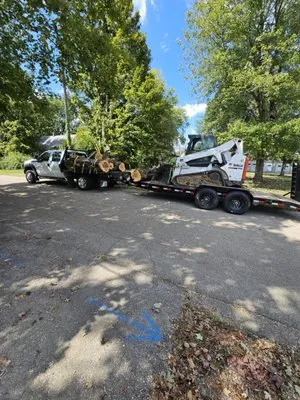
Trinity Lawn & Brush Control is a family-owned lawn and tree service provider based in Marble Hill, Missouri, serving the Southeast Missouri area since 2021. We specialize in comprehensive lawn care, ...

Royal Crown in Sikeston, MO, is your trusted local provider for auto detailing and lawn services, dedicated to keeping both your vehicles and property in pristine condition. We specialize in comprehen...
Estimated Landscaping Service Costs in Jackson, MO
Question Answers
How quickly can you respond to storm damage for HOA compliance?
Emergency cleanup crews dispatch from Jackson City Park via I-55, reaching Uptown Jackson properties within 20-30 minutes during peak conditions. This routing avoids residential congestion while maintaining access to major debris removal equipment. The response prioritizes safety hazards like downed limbs before addressing aesthetic concerns to meet typical HOA 48-hour cleanup requirements. Electric maintenance fleets operate within standard noise limits of 7:00 AM to 9:00 PM for immediate post-storm work.
Can I reduce maintenance while supporting local ecology?
Replacing high-maintenance turf with native plantings like Purple Coneflower, Butterfly Milkweed, Little Bluestem, and Wild Bergamot creates habitat while eliminating weekly mowing. These species establish deep root systems that access subsoil moisture, reducing irrigation needs by 50-75% once established. The transition aligns with evolving noise ordinances that increasingly restrict gas-powered blowers during extended maintenance windows. Native plant communities require only annual cutting back rather than continuous fossil-fuel maintenance.
What invasive species threaten Jackson landscapes and how are they managed?
Japanese knotweed and wintercreeper euonymus present significant establishment risks in USDA Zone 6b, outcompeting natives through aggressive rhizome spread. Treatment involves targeted glyphosate applications during active growth phases, carefully timed outside Missouri's fertilizer ordinance blackout dates for nitrogen applications. Manual removal combined with solarization creates barriers to reinfestation without violating best management practices. Regular monitoring prevents establishment before these species compromise soil structure and biodiversity.
How do smart irrigation systems work with Jackson's water regulations?
Wi-Fi ET-based weather sensing controllers calculate evapotranspiration rates using local weather data to apply only the water Tall Fescue actually needs. This technology typically reduces water use 20-30% compared to traditional timers while maintaining turf health during normal restriction periods. The system automatically adjusts for rainfall and humidity, preventing overwatering that leads to fungal issues in silt loam soils. Municipal water limits are respected through precise scheduling that targets root zones without runoff.
What permits and licenses are needed for grading my 0.25-acre property?
The Jackson Building and Planning Department requires grading permits for any cut/fill exceeding 12 inches or affecting drainage patterns on quarter-acre lots. Contractors must hold appropriate licensing through the Missouri Department of Commerce and Insurance, specifically landscape architect registration for designs involving structural changes. Erosion control plans demonstrating silt fence placement and stabilization timelines are mandatory before approval. Professional licensing ensures compliance with state best management practices for nitrogen and sediment control during earth-moving operations.
What solutions exist for yard flooding in Jackson's clay-heavy subsoil?
Moderate runoff issues in silt loam with clay-heavy subsoil require improving infiltration through strategic grading and permeable materials. Missouri limestone aggregate bases beneath concrete pavers create 30-40% void space for water storage and gradual percolation. French drains wrapped in non-woven geotextile prevent silt clogging while directing water away from foundations. The Jackson Building and Planning Department requires drainage plans showing how impervious surface runoff meets local standards through these engineered solutions.
Why does my Uptown Jackson lawn struggle despite regular care?
Homes built around 1993 have soil approximately 33 years old, which in silt loam conditions often develops compaction layers that restrict root growth and water infiltration. The pH range of 6.2-6.8 is suitable for most plants but doesn't address permeability issues. Core aeration combined with organic amendments like composted leaf mold improves soil structure by increasing pore space for air and water movement. This treatment mimics natural soil development processes that have been disrupted by decades of conventional maintenance.
How do concrete pavers compare to wood for durability in Missouri?
Concrete pavers with Missouri limestone bases offer 25+ year lifespans versus wood's 8-12 years in Jackson's freeze-thaw cycles. The non-combustible nature of these materials contributes to Low Fire Wise ratings in urban-suburban interfaces by creating defensible space without fuel accumulation. Properly installed with polymeric sand joints, paver systems accommodate root growth and soil movement while maintaining permeability. This combination addresses both longevity concerns and evolving wildfire preparedness standards for residential zones.
