Top Landscaping Services in Imperial, MO, 63010 | Compare & Call

There are 183 landscaping companies server in Imperial MO
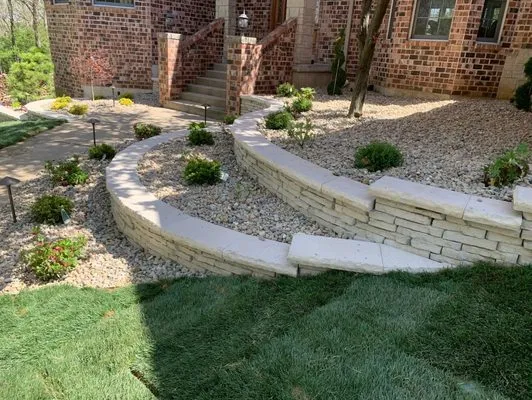
Green Operations is a St. Louis-based landscaping and masonry company with over a decade of experience transforming outdoor spaces. As a certified Unilock contractor, we specialize in comprehensive la...
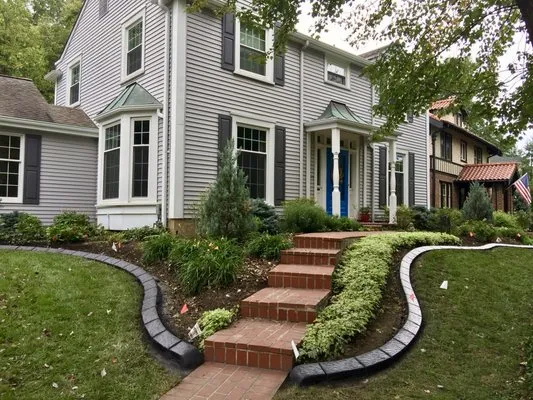
Curb Appeal in Saint Peters, MO, is a full-service landscaping and hardscaping company specializing in transforming outdoor spaces. We handle everything from earthmoving and regrading to comprehensive...
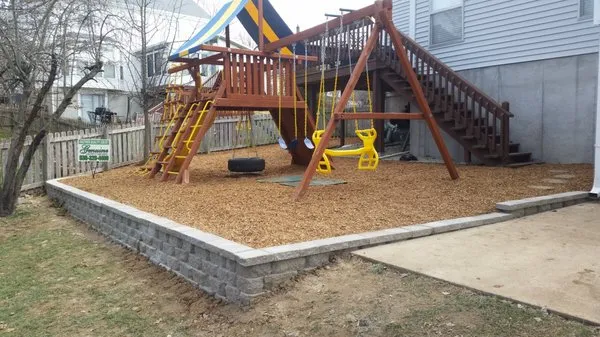
Genuine Lawn Care
Genuine Lawn Care is a Fenton-based property maintenance and construction company founded in 2000 by Terry and Kelly Obermiller. What started with a small truck and push mower has grown into a full-se...
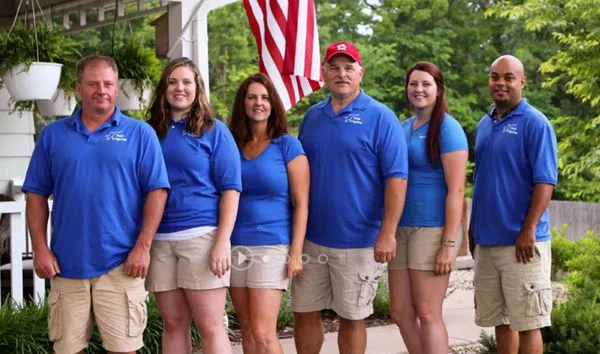
Dade Irrigation is a family-owned and operated irrigation and landscaping business serving O'Fallon, MO, and St. Charles County since 1997. We specialize in irrigation construction, design, repair, an...

Mathias Precision Tree Service
Mathias Precision Tree Service began as a neighborhood lawn care business over two decades ago, founded by a young entrepreneur in Saint Peters, MO. From those early days of mowing lawns with a family...
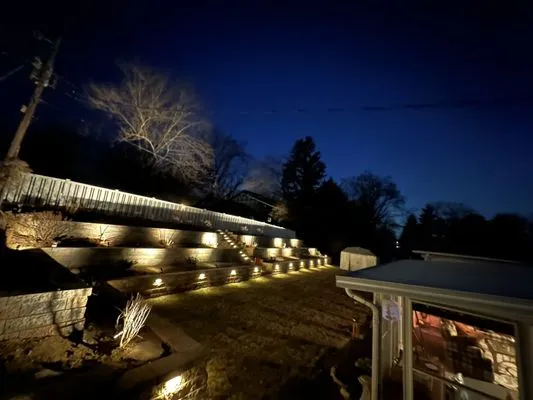
Galaxy Lawn Care & Landscape in Saint Louis, MO, is your trusted partner for transforming outdoor spaces. We blend expert masonry and concrete work with dedicated lawn services to create functional, b...
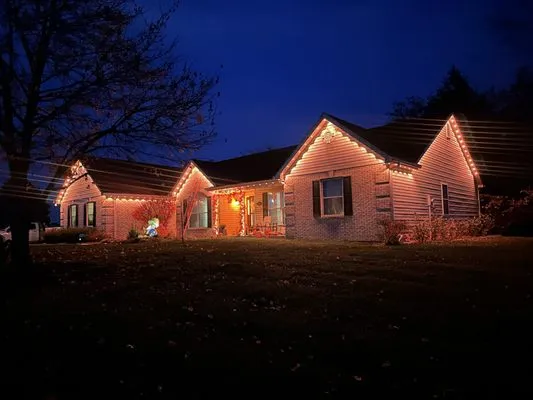
Repair Syndicate is your trusted, full-service handyman team based in Overland, MO, dedicated to serving homeowners throughout the greater St. Louis area. We specialize in a comprehensive range of res...
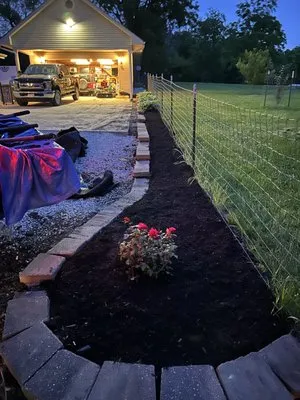
J&C Outdoor Works is a trusted, full-service outdoor company serving homeowners in Troy, Missouri, and the surrounding counties. We specialize in three core areas: comprehensive junk removal and respo...
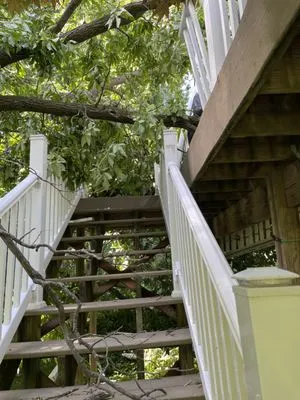
Nice Touch Lawn Care is a St. Louis-based, licensed provider specializing in comprehensive property maintenance and cleanup. We offer a reliable, one-call solution for everything from routine lawn car...
J Holt Lawn And Tree Removal is a trusted local provider in St. Peters, MO, specializing in comprehensive lawn and tree services. We handle everything from routine lawn care and maintenance to complex...
Estimated Landscaping Service Costs in Imperial, MO
Frequently Asked Questions
What permits and licenses are needed for landscape grading on my property?
Grading projects exceeding 50 cubic yards on 0.35-acre lots require Jefferson County Planning and Zoning Department permits for erosion control compliance. Missouri Department of Agriculture licensing mandates certified professionals for any pesticide application or nursery stock installation. Drainage modifications affecting watershed boundaries need additional review, while electrical work for irrigation systems requires separate licensed contractors to meet 2026 code updates.
Can I reduce lawn maintenance while supporting local pollinators?
Replacing high-maintenance turf with Purple Coneflower, Butterfly Milkweed, and Little Bluestem creates biodiverse landscapes requiring minimal intervention. These Missouri natives thrive in Zone 7a conditions with 80% less water than traditional turf, aligning with 2026 electric equipment transitions. Wild Bergamot and Dense Blazing Star provide sequential blooming from May through October, supporting pollinators while eliminating gas-powered blower use during restricted hours.
Why does my Imperial Main Street District lawn have drainage issues and compacted soil?
Imperial's residential lots, developed around 1989, have 37-year-old soil profiles with silt loam Alfisols common to this region. These soils naturally compact over decades, reducing permeability to 0.5-1.5 inches per hour. Core aeration every 2-3 years introduces oxygen channels while adding composted organic matter adjusts the pH 6.2-6.8 range for optimal nutrient availability. This addresses the seasonal clay saturation noted in Jefferson County soil surveys.
Are permeable pavers better than wood decking for fire safety?
Permeable clay pavers provide superior fire resistance compared to combustible wood materials, creating defensible space crucial for Imperial's Moderate Wildland-Urban Interface rating. Their 50+ year lifespan exceeds wood's 15-20 year cycle, with zero flammability during drought conditions. The 6-8 inch gravel base layer beneath pavers further retards fire spread while maintaining the 30-foot clearance recommended for high-risk zones.
How do I control invasive species without harming my soil?
Japanese stiltgrass and garlic mustard present the highest invasive risks in Imperial's disturbed soils. Targeted glyphosate applications during active growth phases avoid Missouri BMP guideline restrictions against frozen or saturated ground applications. Mechanical removal before seed set in early summer prevents chemical dependence, while mycorrhizae inoculants restore soil biology after treatment. Always verify Missouri Department of Agriculture licensing for commercial applicators.
How quickly can you respond to emergency storm damage for HOA compliance?
Our electric maintenance fleet departs from the Mastodon State Historic Site area within 15 minutes of notification. Using I-55 southbound, we reach Imperial Main Street District properties in 25-35 minutes during peak traffic conditions. This rapid response meets most HOA 48-hour cleanup requirements while operating within standard residential noise hours of 7:00 AM to 9:00 PM.
What solutions prevent seasonal flooding in my yard's clay-heavy soil?
Moderate runoff in silt loam Alfisols requires permeability enhancement through strategic grading and subsurface drainage. Installing permeable clay pavers creates 10-15% void space for water infiltration, meeting Jefferson County Planning and Zoning Department runoff standards. French drains with clean gravel backfill redirect subsurface water away from foundations, addressing the clay saturation common in 0.35-acre Imperial lots.
Should I water my Tall Fescue lawn daily during Missouri summers?
Wi-Fi ET-based weather sensing irrigation calculates actual evapotranspiration rates specific to Imperial's microclimate. This technology applies 1-1.5 inches weekly during peak growth periods, preserving Kentucky-31 or Turf-Type Tall Fescue health while staying 30% below municipal water limits. Current normal water restrictions allow this approach, though systems automatically adjust during drought declarations to prioritize deep root hydration over surface watering.
